Zendaya Responds to Viral AI Wedding Images with Tom Holland: “Many Have Been Deceived”

Recently, Zendaya has found herself at the center of social media chatter surrounding a set of viral AI-generated wedding photos featuring herself and Tom Holland. The images, which appeared remarkably realistic at first glance, quickly circulated across various platforms, fueling speculation and excitement among fans and the general public alike. However, Zendaya has addressed these fabricated images with a blend of clarity and humor, emphasizing the widespread misinformation and the tricks AI technology can play on viewers.
Understanding the Viral AI Wedding Photos
The wedding photos in question were created using advanced artificial intelligence tools that generate hyper-realistic images. These AI images often manipulate existing photos, overlaying features or combining elements to produce entirely fictitious scenes. In this case, the AI crafted a convincing version of Zendaya and Tom Holland dressed in wedding attire—images that, at first glance, seemed authentic to many.
Such AI-generated images are becoming increasingly sophisticated, making it challenging for even seasoned enthusiasts to discern real from fake. The proliferation of these images highlights both the power and the risks of AI in media creation, where misinformation can spread rapidly.
Zendaya’s Response to the Viral Photos
The Clarification on Social Media
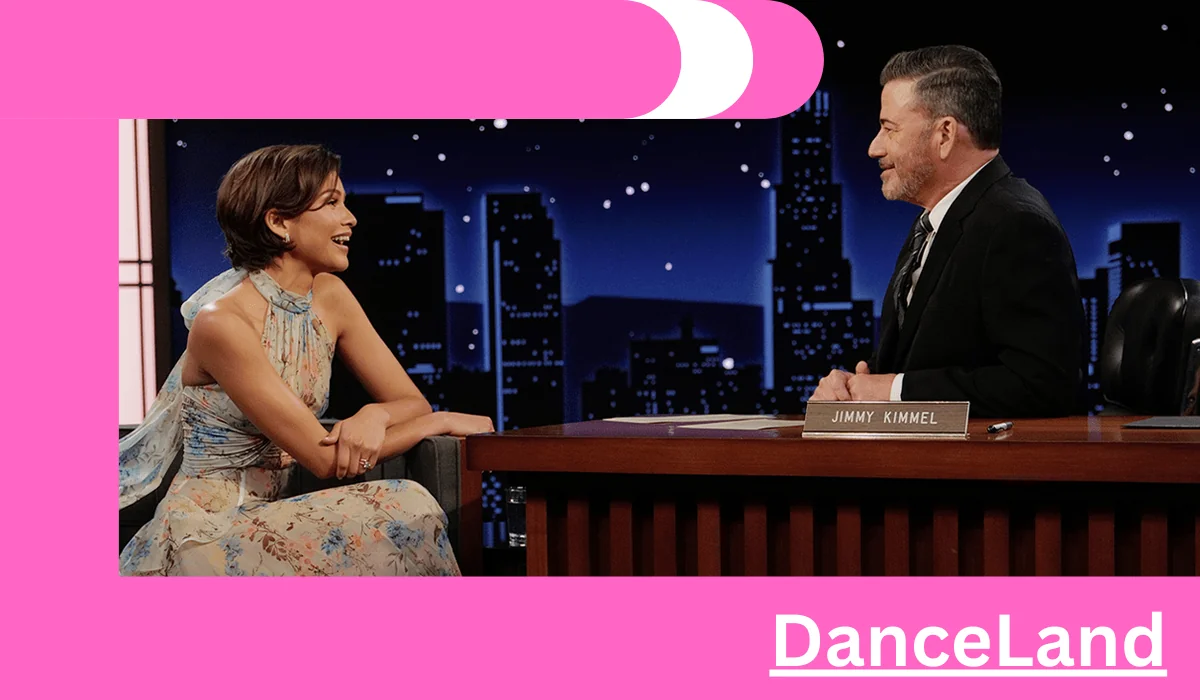
During a recent appearance on Jimmy Kimmel Live!, Zendaya publicly addressed the circulating AI wedding photos. When host Jimmy Kimmel asked her about the images, Zendaya responded with a mixture of amusement and honesty. She said, “Many people have been fooled by them,” acknowledging how convincing the AI-generated photos appeared.
She further explained, “While I was just out and about in real life, people were like, ‘Oh my God, your wedding photos are gorgeous,’ and I was like, ‘Babe, they’re AI. They’re not real.’” This statement effectively clarifies that the images are entirely fabricated, created as a digital illusion rather than actual photographs of her and Tom Holland.
The Impact on Fans and Close Circles
Zendaya also revealed that many individuals close to her were convinced the images depicted real events, which led to some confusion and even a bit of frustration. She mentioned that some people were upset, thinking they missed her wedding because they hadn’t received an invite—highlighting how convincing AI images can spark genuine misunderstandings.
This incident underscores the importance of critical media literacy, especially as AI technology becomes more accessible and capable of producing realistic fake content.
The Broader Context: AI, Misinformation, and Celebrity Culture
The Rise of AI-Generated Media
AI-generated images and videos—often called “deepfakes”—are not new but are rapidly evolving in quality and accessibility. These tools allow users to craft images that can deceive viewers into believing they depict real events, as vividly exemplified by the viral wedding photos of Zendaya and Tom Holland.
While AI has many positive applications, such as in entertainment, design, and education, it also poses challenges in verifying authenticity. As celebrities are frequent targets of false images and rumors, AI’s role in misinformation looms large, necessitating vigilance from consumers and creators alike.
The Impact on Celebrity Privacy and Public Perception
For stars like Zendaya and Tom Holland, these fabricated images can create undue stress or false narratives about their personal lives. Even with clear responses, the spread of such images can influence public perception, sometimes impacting their personal relationships or public image.
It also raises questions about the ethical responsibilities of AI developers and social media platforms in curbing the spread of misleading content while balancing freedom of expression and creativity.
What Can Fans and the Public Learn?
- Always verify sources: Not all images circulating online are real. Trusted news outlets and official social media channels are more reliable.
- Recognize AI limitations: Even the most realistic AI images often contain subtle discrepancies—such as inconsistent lighting, unnatural facial expressions, or background anomalies.
- Practice media literacy: Developing skills to critically assess visual content can prevent the spread of misinformation.
In an era where digital manipulation is constantly advancing, being cautious and analytical when consuming media—especially involving celebrities—is crucial.
Conclusion
Zendaya’s reaction to the viral AI wedding photos with Tom Holland exemplifies how public figures are directly engaging with misinformation fueled by technological advances. Her candid acknowledgment of the images as AI creations reminds fans and audiences alike of the importance of skepticism and verification in the digital landscape. As AI continues to develop, ongoing awareness and media literacy will be key in discerning reality from digital illusion, fostering a more informed and responsible online community.
Frequently Asked Questions
Are the AI wedding photos real?
No, the images are artificially generated using advanced AI technology. Zendaya confirmed they are fake and not real photographs of her and Tom Holland.
Why do AI-generated images like these circulate online?
They often spread for entertainment, parody, or to test the boundaries of digital manipulation. Sometimes, they are designed to deceive or generate viral content that attracts attention.
Can AI images be distinguished from real photos?
While AI images are becoming more sophisticated, subtle clues such as inconsistent shadows, unnatural facial features, or background anomalies can help identify fakes. Critical viewing and technological tools can assist in detection.
What should I do if I see a potentially fake image online?
Verify the source, check for official statements, and use fact-checking tools or reverse image searches to assess authenticity. Always approach sensational images with caution.