Zendaya Responds to Trending AI Wedding Images with Tom Holland: “Many Have Been Deceived”

Recently, the internet has been buzzing with a viral phenomenon: AI-generated wedding photos featuring Zendaya and Tom Holland. These images appeared remarkably realistic and sparked a surge of speculation among fans and followers. However, Zendaya has now stepped forward to clarify the situation, reacting to the widespread circulation of these seemingly authentic yet entirely fabricated images. Her response sheds light on the nature of these photos and highlights the broader implications of AI technology in media and celebrity culture.
Understanding the Viral AI Wedding Photos with Tom Holland
The AI wedding photos that flooded social media showed Zendaya and Tom Holland, widely recognized for their roles in the Spider-Man franchise, dressed in wedding attire in idyllic settings. Designed with advanced artificial intelligence, these images appeared convincing enough to momentarily fool many viewers. Such deepfakes utilize machine learning algorithms to create hyper-realistic images that can depict scenes or events that never occurred.
While the images initially generated excitement among fans, many speculated about the authenticity of these photos. The realism of AI-generated content raises important questions about digital authenticity, misinformation, and celebrity privacy. Although the images were convincing, they were purely fabricated and lacked any basis in reality. Zendaya’s reaction is particularly significant in this context, as it underscores her awareness and the potential impact of such misinformation.
Zendaya Reacts to the Viral Photos
Addressing the Circulating Rumors
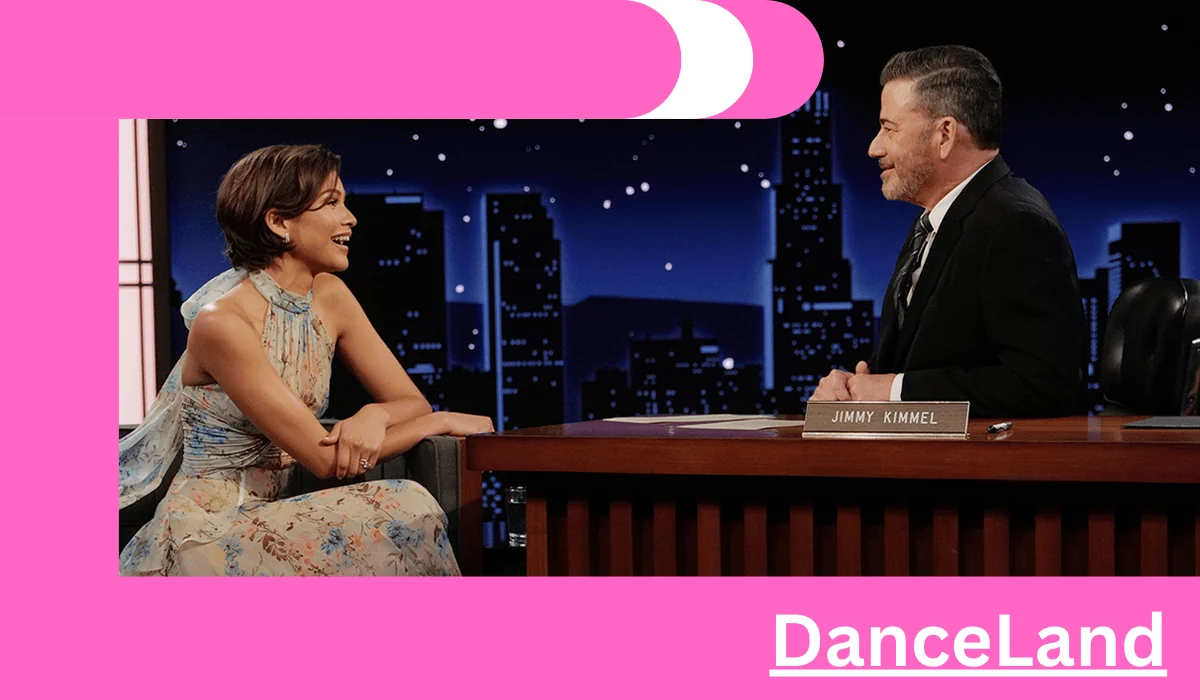
During her recent appearance on Jimmy Kimmel Live!, Zendaya was asked about the viral wedding photos. With her characteristic wit, she responded, “Really? I haven’t seen any of them.” Her statement initially seemed dismissive, but it was her subsequent clarification that truly resonated with fans and media alike.
Zendaya openly acknowledged the existence of these images but emphasized that they are not real. She said, “Many people have been fooled by them,” highlighting how convincing AI technology has become in creating false images. Her comments serve as a reminder of the blurred lines between reality and digital fabrication, particularly when it involves high-profile celebrities.
Furthermore, Zendaya revealed that even some close friends and family members believed the photos were genuine, leading to misunderstandings and in some cases, disappointment about not receiving wedding invitations. This innocent confusion illustrates the profound effect AI-generated images can have, influencing perceptions and social interactions.
The Broader Impact of Deepfake Technology in Celebrity Culture
The incident with Zendaya and Tom Holland’s AI wedding photos exemplifies a growing challenge posed by deepfake and AI-generated media. As these technologies become more sophisticated, the potential for misinformation increases. Celebrity images can be manipulated to craft entirely fictional scenarios, which can mislead the public and sometimes even harm reputations.
- Fake News and Misinformation: Accurate information can be overshadowed or replaced by false visuals, complicating efforts to maintain factual discourse.
- Privacy Concerns: Celebrities may find their likeness used without consent for misleading or malicious content.
- Ethical Dilemmas: The ethics of creating and sharing hyper-realistic AI images are still being debated, especially regarding consent and potential for harm.
Despite these concerns, AI-generated media also holds creative potential. It can be used for entertainment, filmmaking, and artistic expression, provided it is responsibly managed and clearly disclosed as synthetic content.
Conclusion
Zendaya’s reaction to the viral AI wedding photos with Tom Holland highlights the importance of media literacy in an era where technology can fabricate convincing images. Her candid acknowledgment helps fans understand that not everything they see online is real, especially in a landscape increasingly dominated by artificial intelligence. As AI continues to evolve, distinguishing between authentic and fabricated content will remain a crucial skill for both celebrities and the public. Staying informed and cautious can help mitigate the risks associated with deepfake technology while appreciating its creative possibilities.
Frequently Asked Questions
Are the AI wedding photos of Zendaya and Tom Holland real?
No, the images are generated by AI and are entirely fictional. Zendaya herself has confirmed they are fake and clarified that she and Tom Holland are not married in real life.
How do AI-generated images like these work?
AI-generated images often utilize machine learning techniques such as deep learning and neural networks—particularly Generative Adversarial Networks (GANs)—to create realistic visuals based on existing data, mimicking real scenes convincingly.
Can these AI images cause harm?
Yes, if misused, deepfake images can spread misinformation, damage reputations, or infringe on privacy rights. It’s important to verify the authenticity of images before accepting them as factual.
What can be done to identify AI-generated images?
While sometimes challenging, experts recommend looking for inconsistencies like unnatural facial features, irregularities in lighting, or blurry edges. Advances in detection tools are also helping to distinguish synthetic images from real ones.
As AI technology advances, both creators and consumers of digital media should approach online content with a critical eye. Zendaya’s online reaction underscores the importance of awareness and responsible sharing in the digital age.