Trump Associate Richard Grenell to Resign as President of the Kennedy Center

In a move that has garnered significant attention within political and cultural circles, Trump ally Richard Grenell is set to step down as the president of the Kennedy Center. This development marks a notable shift in the leadership of one of America’s most iconic arts institutions, especially given Grenell’s close association with former President Donald Trump and his tenure during a controversial period at the venue.
Background: Richard Grenell’s Role and Influence at the Kennedy Center
Richard Grenell, a prominent Republican figure and longtime foreign policy adviser, was appointed as the president of the Kennedy Center during Donald Trump’s presidency. Known for his loyalty to Trump, Grenell’s leadership was characterized by efforts to overhaul the center’s programming and administration, aligning it with the former president’s political and cultural agendas.
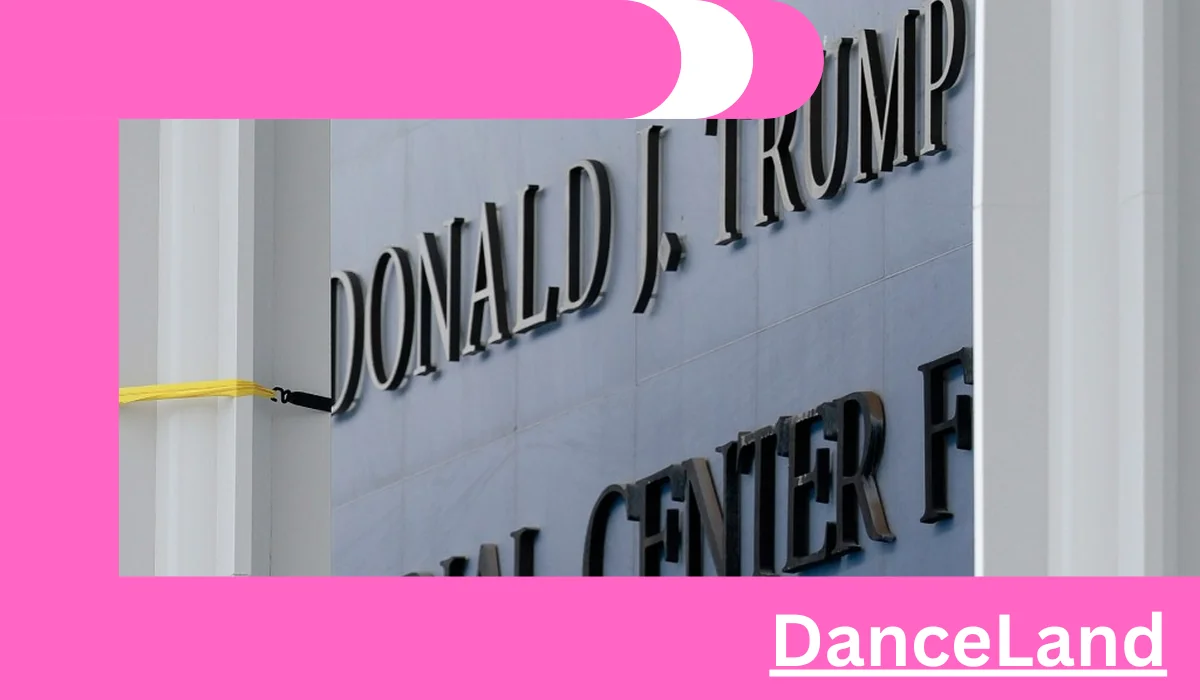
Notably, Grenell’s tenure involved efforts to incorporate Trump’s name into the Kennedy Center narrative, including physical additions to the building’s facade, which sparked widespread backlash from the arts community. He also prioritized “common sense” programming aimed at broadening appeal and reducing financial losses, a move that faced criticism for perceived politicization and mismanagement.
The Transition: Who Will Replace Grenell?
Announcements and Expectations
Trump announced Grenell’s departure via a social media post on Friday, signaling a formal transition in leadership. According to reports, the incoming president will be Matt Floca, who currently manages facilities operations at the Kennedy Center. The official appointment is expected to be finalized in a board meeting scheduled for the following Monday at the White House.
Floca brings a background rooted in facilities management and construction, with experience working within the District of Columbia government. His role will likely focus on overseeing the upcoming renovation, which is set to temporarily close the Kennedy Center for repairs—a project that Grenell played a key part in coordinating.
Implications of Grenell’s Departure
Impact on the Arts Community
- The departure follows a turbulent period marked by political influence infiltrating the traditionally nonpartisan arts venue.
- Several prominent artists and organizations withdrew from performances and collaborations at the Kennedy Center amid controversy surrounding Grenell’s leadership and efforts to politicize the institution.
- Grenell’s tenure was also associated with efforts to brand the center in his and Trump’s name, which contributed to a decline in institutional neutrality and acceptance among the artistic community.
Despite the controversies, Grenell’s resignation signals a potential recalibration of the Kennedy Center’s direction ahead of its planned two-year closure for renovation, which has already prompted discussions about the future identity and cultural role of the venue.
Broader Context: Politics and the Arts
The Kennedy Center has historically been viewed as an apolitical space, fostering arts and diplomacy devoid of partisan politics. Grenell’s leadership marked a departure from this tradition, illustrating the broader influence of political figures on cultural institutions.
The change in leadership may signal an attempt to restore the center’s reputation as a neutral space for arts and culture, especially as it prepares to reopen after intensive renovations. It remains to be seen how the new management will navigate the complex relationship between politics, culture, and public perception.
Conclusion
The decision for Richard Grenell to step down as Kennedy Center president underscores the ongoing intersection of politics and arts leadership. As the institution prepares for a new chapter under Floca’s management and amid ongoing renovations, the future direction of the Kennedy Center will undoubtedly be closely watched by both arts supporters and political observers. This leadership transition reflects a broader desire to restore the center’s mission as a unifying cultural space, distinct from political influence, and to re-establish its standing in the artistic world.
FAQs
Why did Richard Grenell step down from his position at the Kennedy Center?
While specific reasons have not been publicly detailed, reports suggest that the resignation may be part of a broader administrative shift coinciding with upcoming renovations and lingering controversies from Grenell’s tenure.
What is the background of Matt Floca, the expected successor?
Matt Floca is experienced in facilities management, construction, and sustainability, with prior roles within the District of Columbia government. His focus will likely be on managing the Kennedy Center’s renovation and operational needs.
Could Grenell’s departure affect the Kennedy Center’s reputation?
Potentially. His leadership was linked to politicization and controversies; his resignation could pave the way for a more neutral and traditional approach to arts administration at the venue.
What are the plans for the Kennedy Center’s renovations?
The center is scheduled to close for a two-year renovation starting after the July Fourth celebrations. The project aims to modernize and repair the historic facility, with leadership changes expected to help guide this process smoothly.
Leadership changes like these often mark a period of reflection and renewal for institutions like the Kennedy Center, and observing how the new management navigates these challenges will be insightful for those interested in arts, politics, and culture.