Trump Associate Richard Grenell to Resign as President of the Kennedy Center

Recent developments at the Kennedy Center have garnered significant attention, particularly surrounding the leadership changes involving Trump ally Richard Grenell. As the president of the Kennedy Center, Grenell’s tenure was marked by controversy and a shift away from traditional norms of this storied cultural institution. Now, reports confirm that Richard Grenell is set to step down from his position, signaling a potential shift in the future direction of the Kennedy Center.
Background on Richard Grenell’s Appointment and Role at the Kennedy Center
Richard Grenell, a well-known Republican and former U.S. ambassador to Germany, was appointed as the president of the Kennedy Center during Donald Trump’s presidency. His appointment was part of Trump’s broader effort to influence the arts and culture space, aligning it with his political agenda. Grenell emphasized programming based on “common sense” and aimed to attract a broader audience, often steering the venue toward events that prioritized appeal over tradition.
Grenell’s tenure was marked by a series of bold and contentious moves, including initiatives that polarized the artistic community. His approach reflected the administration’s broader strategy to politicize and reshape the Kennedy Center, challenging its historical reputation as a bipartisan, apolitical space for arts and diplomacy.
Controversies and Artistic Community Backlash
Grenell’s leadership sparked widespread debate among arts organizations, performers, and cultural advocates. Key incidents include:
- Renaming the Kennedy Center as “The Trump Kennedy Center,” a move that drew criticism for politicizing the institution.
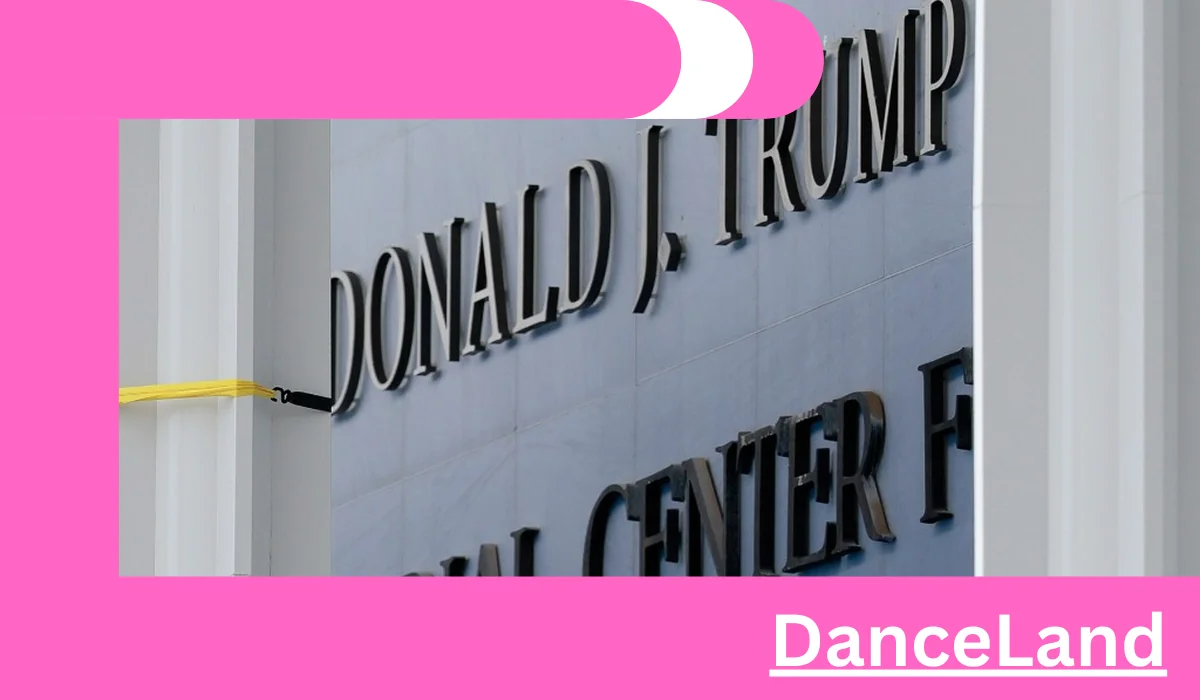
- Physical addition of Donald Trump’s name to the Kennedy Center’s facade, which led to protests and cancellations by high-profile artists.
- Cancellations of performances, such as “Hamilton,” and withdrawal of prominent figures like Issa Rae and Louise Penny from scheduled appearances, citing discomfort with the new political atmosphere.
- Resignations within the organization, including executives like Jean Davidson of the National Symphony Orchestra, further highlighting internal dissent.
These disruptions highlighted a broader tension between the Kennedy Center’s traditional role as an apolitical hub for the arts and the increasingly politicized leadership under Grenell.
The Leadership Change: What It Means
Official Announcement and Transition Details
The shift was publicly announced via a social media post by President Donald Trump, who stated that Richard Grenell would be stepping down and be replaced by Matt Floca, currently managing facilities operations at the Center. The move was expected to be formalized during a scheduled board meeting at the White House, reflecting a transition aligned with the incoming administration and the center’s upcoming renovation period.
Trump’s official statement praised Grenell’s accomplishments, noting his role in helping coordinate the Center during its transition period, even as critics viewed his tenure as divisive and politicized.
Implications for the Kennedy Center’s Future
The departure of Grenell marks a potential end to a controversial chapter in the center’s history. It may signal a shift back towards a more traditional, less politicized management style, especially considering the upcoming renovations and reopening plans. The new leadership under Matt Floca could steer the Center back to its core mission of promoting artistic excellence and cultural diplomacy, free from overt political influence.
However, the change also raises questions about the ongoing influence of Trump-era policies on the institution and how the arts community will reconcile the recent tumult with its long-standing values of bipartisan engagement and cultural neutrality.
Broader Context and Significance
The Kennedy Center has historically been regarded as a symbol of American cultural unity, hosting bipartisan events and honoring diverse artistic achievements. The recent leadership turmoil underscores how political dynamics can impact even the most revered cultural spaces. The removal of Grenell and the impending renovation present an opportunity for the Center to redefine its identity and reaffirm its role as a nonpartisan institution committed to the arts.
Frequently Asked Questions
Why did Richard Grenell step down as Kennedy Center President?
While official statements cite the transition process and personnel changes, reports suggest that Grenell’s leadership, which was heavily influenced by Trump administration policies, faced significant backlash from the arts community and stakeholders. His departure aligns with a broader expectation of returning to a more traditional governance model.
Who will replace Richard Grenell at the Kennedy Center?
Matt Floca, who manages the Kennedy Center’s facilities operations, is expected to succeed Grenell, with the transition scheduled to finalize at an upcoming board meeting.
What impact might this leadership change have on the Kennedy Center’s programming?
The new leadership may focus on restoring the Center’s reputation as a culturally neutral space, potentially reversing some of the politicized initiatives introduced during Grenell’s tenure and emphasizing programming that appeals to a broad, bipartisan audience.
How does this change reflect on the role of politics in arts management?
This transition highlights ongoing debates about the influence of politics on cultural institutions. Leadership changes driven by political considerations can significantly affect the programming, reputation, and public perception of such establishments, emphasizing the importance of maintaining independence and neutrality in arts management.
Conclusion
The stepping down of Richard Grenell as Kennedy Center President signifies more than just a personnel shift; it symbolizes a potential course correction for one of America’s most iconic cultural institutions. As the Center prepares for its upcoming renovation and reevaluation, this leadership change provides an opportunity to reaffirm its foundational principles—favoring artistic excellence and cultural diplomacy over political partisanship. Observers and arts advocates will be watching closely to see how the Center’s new direction unfolds and whether it can restore its reputation as a unifying space for the arts in America.