Trump Associate Richard Grenell to Resign as President of the Kennedy Center

In a notable development within the cultural and political landscape, Trump ally Richard Grenell has announced his decision to step down as President of the Kennedy Center. This transition marks a significant shift for one of Washington’s most prominent arts institutions, especially given Grenell’s controversial tenure and close association with former President Donald Trump. The announcement has generated widespread attention, prompting both applause and criticism from various sectors, including the arts community and political observers.
Background: Richard Grenell’s Role at the Kennedy Center
Richard Grenell, best known for his extensive career in foreign policy and his close ties to Donald Trump, assumed the presidency of the Kennedy Center amid a period of intense controversy. His appointment followed a broad overhaul of the Center’s leadership, with Trump supporters advocating for a more conservative direction for the arts venue known for its bipartisan stature. Grenell’s approach prioritized “common sense” programming aimed at broadening appeal and increasing revenue, often emphasizing its operational and financial aspects.
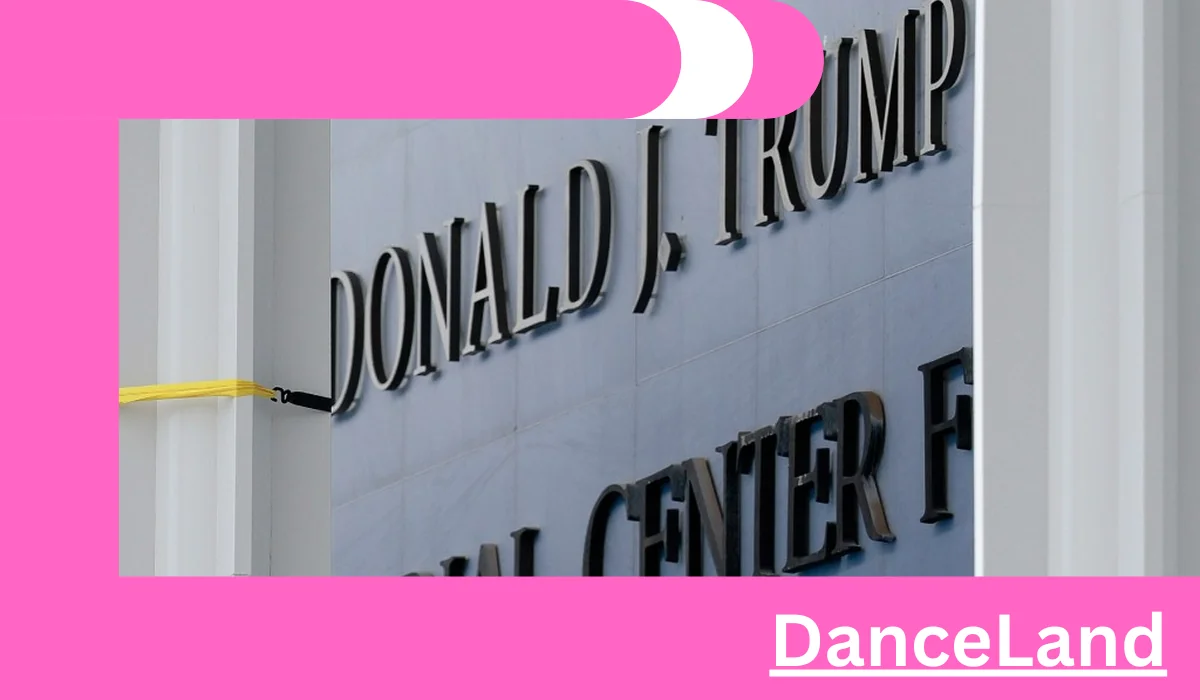
During his tenure, Grenell sought to reposition the Kennedy Center as a platform aligned with Trump’s political ethos. His efforts included the physical addition of Trump’s name to the building’s façade and moves that aligned the Center more closely with conservative politics. These actions sparked fierce debate, with many in the arts community criticizing what they viewed as politicization of a historically apolitical institution.
The Controversies and Artistic Backlash
Impact on the Arts Community
- Multiple high-profile cancellations, including performances by renowned musicals like “Hamilton,” as protests against perceived politicization.
- Withdrawals from prominent artists such as Issa Rae and Louise Penny, citing the perceived shift away from the Center’s traditional role as an impartial cultural space.
- Resignations from influential figures like musicians Ben Folds and opera singer Renée Fleming, highlighting growing unrest within the arts sector.
The backlash underscored concerns that the Center was losing its spirit of bipartisan unity, a hallmark that historically defined its reputation. Grenell’s tenure has been seen by critics as a departure from that tradition, aligning the venue more with partisan politics.
Reasons Behind Richard Grenell’s Departure
Strategic and Political Factors
While Grenell’s exit was officially framed as a planned transition, several sources suggest that ongoing controversies and internal challenges played a role. According to an anonymous source, the decision was finalized during a board meeting scheduled at the White House, signaling high-level involvement. Trump, in a social media statement, publicly lauded Grenell’s work and affirmed his respect for the decision, emphasizing the importance of the Center’s future.
Moreover, Grenell’s departure coincides with a critical period for the Kennedy Center, which is preparing for a two-year closure for extensive renovations scheduled to begin this summer. The timing suggests that administrative reshuffling might be part of broader efforts to reposition the Center’s leadership during this pivotal moment.
What’s Next for the Kennedy Center?
Transition to New Leadership
- Matt Floca, who manages the Center’s facilities operations, is expected to succeed Grenell as interim president.
- The move is viewed as a return to more traditional administrative management, focusing on the Center’s core mission of arts and cultural excellence.
- The upcoming board meeting aims to finalize these changes, with some reports indicating further strategic planning to recover from recent controversies.
Floca’s background in facilities management and construction management signals a focus on operational stability and infrastructure, perhaps a move away from politically charged initiatives. His experience managing large-scale projects may help oversee the $125 million renovations and modernization efforts ahead.
Historical Context and Implications
The Kennedy Center’s Traditional Role
Historically, the Kennedy Center has been revered as a symbol of bipartisan cultural unity, hosting events attended by figures across the political spectrum. Its reputation for fostering dialogue through the arts was often seen as a counterbalance to Washington’s partisan divides.
Grenell’s tenure, characterized by political and ideological efforts, challenged this tradition. His approach reflected a broader trend seen during Trump’s presidency, where arts and culture became venues for political expression and messaging.
His departure may signal a reversion to the Center’s traditional role, emphasizing artistic excellence over political symbolism, especially as the institution prepares for renewal and expansion.
Conclusion
The departure of Richard Grenell as Kennedy Center President marks a pivotal moment for an institution at the crossroads of politics and culture. As the Center prepares for renovations and a new chapter, questions remain about the future direction of its programming and leadership. The transition highlights the ongoing debate over the role of arts institutions in political discourse and the importance of maintaining their integrity as spaces for bipartisan cultural celebration. Observers will be watching closely to see how the Kennedy Center evolves under new leadership and whether it can restore its reputation as a symbol of unity in American culture.
Frequently Asked Questions
1. Why did Richard Grenell step down as Kennedy Center President?
Officially, Grenell’s departure was announced as a planned transition, with no specific reasons publicly cited. However, ongoing controversies, artistic protests, and internal discussions likely influenced the decision, aligning with broader political shifts and preparations for the Center’s upcoming renovation.
2. Who will succeed Richard Grenell as Kennedy Center President?
Matt Floca, who currently manages the Kennedy Center’s facilities, is expected to succeed Grenell as interim president. His background in construction and facilities management suggests a focus on operational stability during the transition.
3. How has the arts community reacted to Grenell’s leadership?
The arts community expressed concern and disappointment, with several prominent artists withdrawing performances and resigning in protest of what they saw as politicization of the venue. The controversy has sparked a broader debate about the role of political influence in cultural institutions.
4. What is the significance of Grenell’s tenure for the Kennedy Center’s future?
Grenell’s leadership represented a departure from the Center’s traditional role as an apolitical space, raising questions about its future direction. His departure provides an opportunity for the Center to refocus on its core mission of promoting arts and culture free from political pressures.
As the Kennedy Center embarks on this new phase, developments will be closely watched, reflecting broader dynamics of culture, politics, and national identity. The coming months will reveal whether the Center can restore its reputation and reaffirm its place as a unifying cultural landmark.