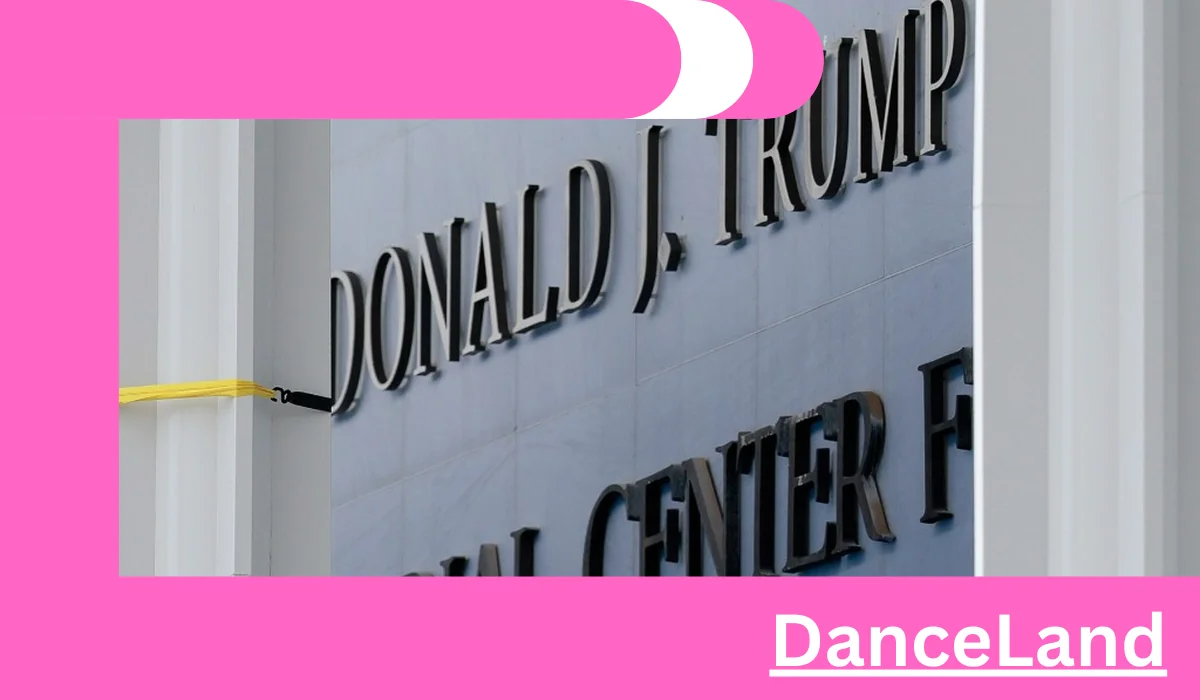
Trump Associate Richard Grenell to Resign as President of the Kennedy Center

In a significant development within the arts and political spheres, Trump ally Richard Grenell is set to step down from his role as the President of the Kennedy Center. The announcement, made by former President Donald Trump via social media, marks the end of a controversial tenure that has garnered both support and criticism from various stakeholders, including artists, lawmakers, and cultural critics. This transition takes place amidst ongoing debates over the Kennedy Center’s role, leadership, and its alignment with political figures and agendas.
Background: Richard Grenell’s Transformation of the Kennedy Center
His Appointment and Vision
Richard Grenell, a longtime Republican foreign policy adviser and close associate of Donald Trump, was appointed as the Kennedy Center President during Trump’s administration. Known for his influential role as U.S. ambassador to Germany and his involvement in Serbia and Kosovo negotiations, Grenell brought a distinct political flavor to the venerable arts institution. His tenure was characterized by efforts to steer the Kennedy Center towards programming that emphasized “common sense” and appealed broadly to diverse audiences. However, these moves sparked controversy, especially within the arts community.
Controversies and Reactions
- Grenell’s push to prioritize certain programming themes was criticized by critics who viewed it as politicizing the arts.
- The renaming and branding efforts, including Trump’s personal branding on the Center, led to protests and cancellations by prominent artists.
- Notable figures, such as “Hamilton” cast members and well-known musicians, withdrew performances and resigned from advisory roles in protest.
The Announcement of Grenell’s Departure
According to official sources and a social media post by Donald Trump, Richard Grenell will be stepping down as the Kennedy Center President. Trump expressed gratitude for Grenell’s contributions, noting that he “done an excellent job” in managing the transition period before the upcoming renovation of the Center, which is scheduled to close for renovations this summer for approximately two years.
In his announcement, Trump indicated that Matt Floca, who oversees facilities management at the Kennedy Center, would succeed Grenell. The transition is expected to be finalized during an upcoming board meeting, reflecting a planned administrative change amidst ongoing projects and future planning.
Implications of the Leadership Change
Impact on the Kennedy Center’s Direction
The leadership change could signify a shift in the Center’s strategic focus. Grenell’s tenure was heavily influenced by political considerations, aligning the institution more closely with Trump’s ideologies and branding efforts. His departure might open the door for a more traditional or neutral approach, potentially restoring some of the Center’s reputation as an apolitical cultural space.
Response from the Arts Community
The arts community’s response to Grenell’s exit has been mixed. While some see it as an opportunity to move away from politicized leadership, others remain skeptical about the Center’s future direction, especially considering the recent cancellations and protests linked to previous policies. The departure may signal a desire for a more balanced, inclusive approach as the Kennedy Center prepares for its upcoming renovations.
About Matt Floca’s Role and Future Outlook
Matt Floca, with a background in facilities and construction management, primarily manages infrastructure and operational aspects of the Kennedy Center. His appointment suggests a focus on the building’s physical renewal, aligning with the announced summer closure. His experience with sustainable and whole-building design indicates that the upcoming phase may emphasize modernization and enhancement of the Center’s facilities.
As Floca prepares to take on the presidency, stakeholders and visitors alike will be observing whether his leadership continues the political legacy of Grenell or moves toward a more traditional artistic focus.
Conclusion
The stepping down of Richard Grenell as Kennedy Center President underlines a critical juncture for the institution, reflecting broader discussions about the intersection of politics, arts, and cultural integrity. While the transition may bring changes in management style and organizational priorities, it also offers an opportunity for the Kennedy Center to redefine its identity in the post-Grenell era. As the Center prepares for its closure and renovation, attention remains on how leadership—both political and artistic—will shape its future trajectory.
Frequently Asked Questions
Why did Richard Grenell step down as Kennedy Center President?
While official statements attribute his departure to a planned leadership transition, it aligns with ongoing debates about the Center’s politicization and recent controversies. The change appears to be part of broader administrative and strategic adjustments ahead of the Center’s renovation.
What will Matt Floca’s role entail?
Matt Floca is primarily responsible for facilities management at the Kennedy Center. His new role as President may involve overseeing operations during the renovation period and potentially influencing the Center’s future organizational policies.
How has the arts community responded to Grenell’s tenure and departure?
The response has been mixed, with critics noting the politicization and cancellations during Grenell’s time, while others see his departure as an opportunity to restore the Center’s traditional role as an apolitical cultural venue.
What are the upcoming plans for the Kennedy Center after the leadership change?
The Center is scheduled to close temporarily for renovation starting this summer for approximately two years. The new leadership’s priorities will likely focus on modernization, infrastructure, and possibly a more inclusive programming approach.
Leadership changes at prominent cultural institutions often signal shifts in direction, and the Kennedy Center’s recent transition exemplifies how politics and arts continue to intersect. Observers will be watching closely to see how this evolution unfolds in shaping the future of America’s premier performance venue.