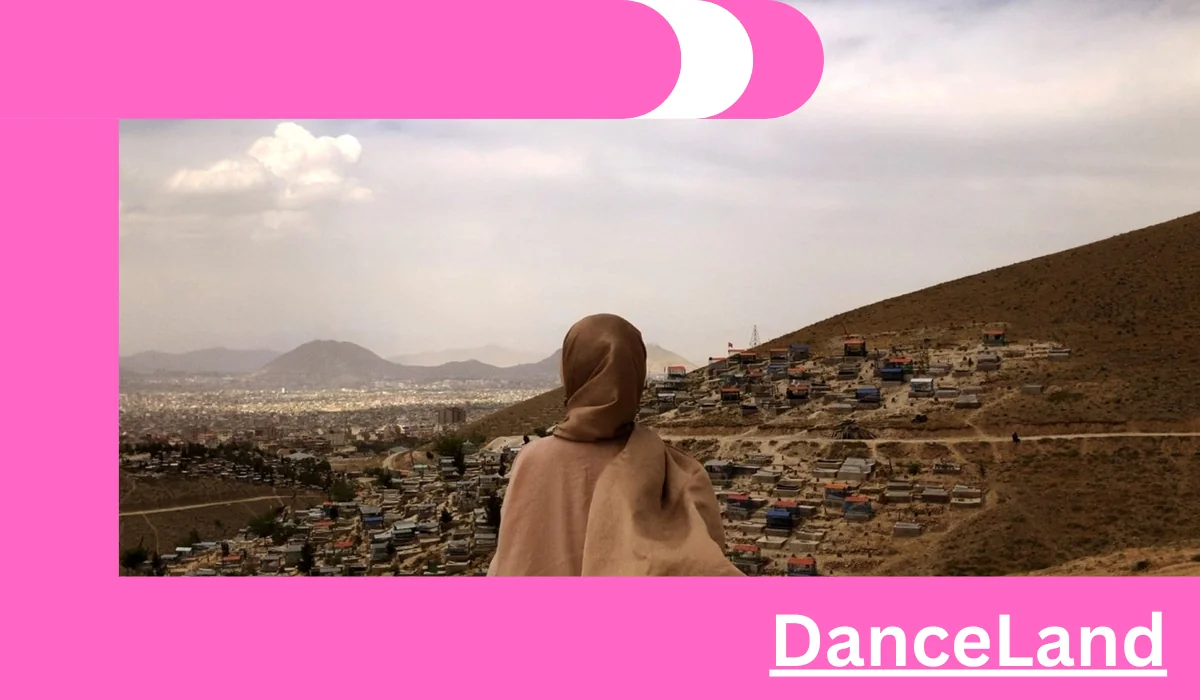
‘The Hidden Reading Society of Kabul’ Chronicles Young Afghan Women, Inspired by Anne Frank, Resisting the Taliban: “They Seek Recognition and Visibility”

In the heart of Kabul, a remarkable story unfolds amid the oppressive shadow of the Taliban. ‘The Secret Reading Club of Kabul’ follows a brave group of young Afghan women inspired by the resilience and hope exemplified by Anne Frank. Their quiet defiance epitomizes a universal longing—to be heard, seen, and recognized as human beings deserving of their rights. Against a backdrop of fear and censorship, these women’s efforts resonate as a powerful testament to the enduring power of literature, friendship, and the human spirit.
Understanding the Context: Afghanistan Under Taliban Rule
Since their return to power in 2021, the Taliban has enforced stringent restrictions on women and girls, severely curbing their freedoms—denying education, employment, and basic expression. This environment has created a dystopian reality where even the most simple acts, like reading or writing, require clandestine efforts and risk significant danger. In such a climate, forming a secret reading club becomes a revolutionary act—an act of resistance rooted in the fundamental human right to knowledge and self-expression.
The Inspiration Behind the Club: Echoes of Anne Frank
The young Afghan women’s initiative is inspired by Anne Frank’s diary—her personal account of life during the Holocaust, which has become a universal symbol of hope amidst despair. The diary not only provided Anne a voice during her confinement but also inspired countless others to see the light of human resilience. In Kabul, these women draw from Anne’s story to find their own voice in a society that actively seeks to silence them. Their diaries and writings serve as acts of defiance, capturing their experiences, hopes, and fears in ways that transcend the Taliban’s repression.
The Formation and Operation of the Reading Club
Creating a Safe Space in a Dangerous Environment
Given the high risks, the young women operate with utmost caution. They meet secretly, often in private homes or hidden locations. Communication is carefully managed—using encrypted messaging and secure methods to share their writings and discussions. The club members choose books that resonate with their lived realities—stories of courage, resistance, and hope—alongside classics such as Anne Frank’s diary, which they read collectively to draw strength and solidarity.
Details of Their Activities and Risks
- Members film and photograph their activities using concealed mobile devices.
- Scenes and writings are blurred or anonymized to protect identities.
- They practice digital security measures, regularly deleting sensitive material and avoiding identifiable visuals.
Despite these precautions, the danger remains. Members risk arrest, punishment, or worse if discovered. Nonetheless, their determination to share their stories—and to have their voices heard—drives them onward.
Resilience and Defiance: The Women’s Voices
Witnessing their bravery is a profoundly moving experience for filmmakers and audiences alike. Many of these young women describe feelings of doubt and despair, questioning their identities and faith under Taliban rule. Yet, despite the trauma, they demonstrate an incredible capacity to articulate their realities with eloquence and emotion, asserting their human dignity in the face of oppression. They want the world to see them—not as victims, but as individuals with dreams and agency.
The Significance of Art and Literature as Resistance
For these women, writing, reading, and filmmaking become acts of resistance—tools to reclaim their identities and challenge the narrative imposed by Taliban authorities. Art in its many forms offers a space for healing and solidarity, creating a bridge to the outside world. As one young member of the club notes, their stories serve as living proof that even in darkness, human spirit and hope endure.
Global Reactions and Hope for the Future
The documentary “The Secret Reading Club of Kabul” aims to amplify these voices internationally. Filmmakers hope that raising awareness will inspire global pressure on the Taliban to respect women’s rights and recognize their humanity. Their ultimate aspiration is to galvanize the international community into action, akin to movements that once toppled oppressive regimes—just as the world responded to apartheid or genocides elsewhere.
By sharing the personal stories of Afghan women, the film aspires to foster empathy and drive advocacy, emphasizing that human rights are universal and inextricably linked to dignity. The young women’s courage in the face of danger symbolizes a broader movement—one that refuses to be silenced, a bold assertion that they want to be heard and seen on the world stage.
Frequently Asked Questions
What challenges do Afghan women face in creating secret reading groups?
They face severe risks, including arrest, violence, and social ostracism. Operating covertly requires meticulous planning, digital security measures, and constant vigilance to protect identities and lives.
How does the film portray the impact of Taliban oppression on women’s mental health?
The film highlights feelings of despair, self-doubt, and fear but also showcases resilience and hope. It reveals not only the external repression but also the internal struggles women endure under such conditions.
What is the significance of drawing parallels between Anne Frank and Afghan women?
Anne Frank’s diary exemplifies how personal narratives serve as acts of resistance and hope during times of extreme adversity. Afghan women see themselves in her story—both as individuals fighting for their rights and as part of a global community seeking justice and recognition.
Conclusion
The ‘The Secret Reading Club of Kabul’ illuminates a powerful truth: even in societies that seek to silence and diminish women, the human spirit’s desire to learn, express, and be heard remains indomitable. These young Afghan women symbolize hope—showing that, despite oppressive forces, resistance through art, literature, and solidarity can spark change. Their stories remind us that visibility and voice are fundamental to human dignity and that, ultimately, their fight is a shared human struggle for freedom and respect.