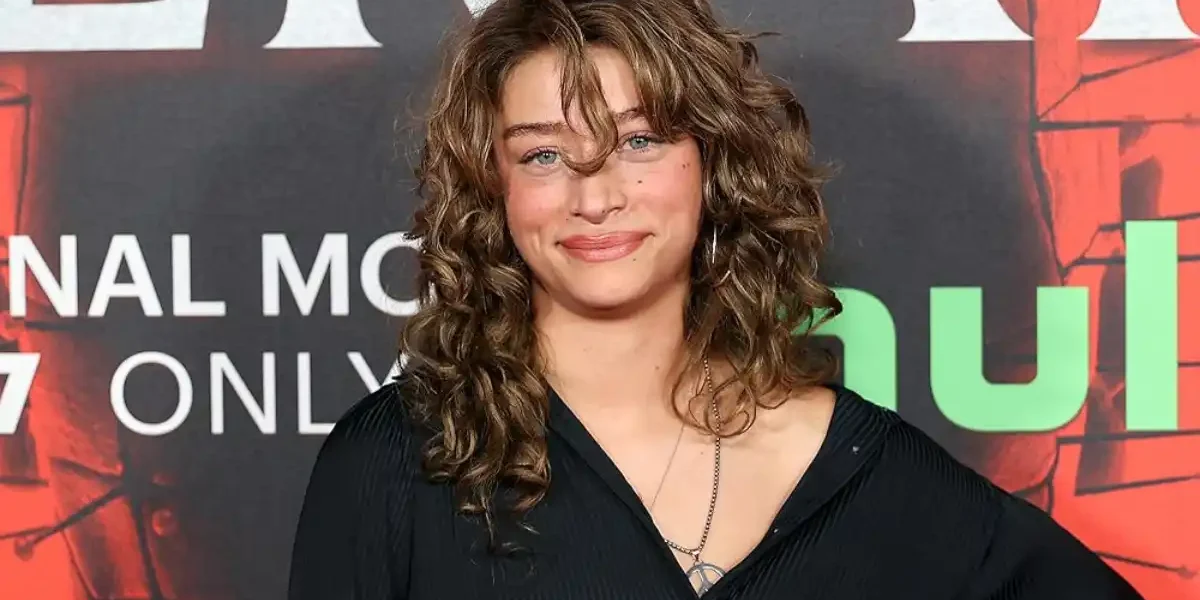

In a move that has sparked widespread discussion across social media, actress Odessa A’zion has announced she is withdrawing from the upcoming Sean Durkin film Deep Cuts, following criticism over casting choices that many have labeled as whitewashing. The controversy centers on the adaptation of a novel featuring a protagonist who is explicitly described as half-Jewish and half-Mexican, a background that fans argue is being overlooked in the casting process.
A’zion, who has recently gained attention for her roles in Marty Supreme and HBO’s I Love LA, took to social media to explain her decision. In her statement, she emphasized that she did not want to be part of a project that could be perceived as misrepresenting the cultural identity of its main character. “I recognize the importance of authentic representation in media, and I cannot, in good conscience, play a character whose heritage is central to the story if the production is not reflecting that truth,” she wrote. She concluded her post with a simple declaration: “I’m out.”
The Casting Controversy
Deep Cuts, directed by Sean Durkin, is an adaptation of a critically acclaimed novel praised for its nuanced portrayal of identity and family heritage. The story’s central character, a young woman navigating life in a culturally rich environment, is depicted as Latina-Jewish, a detail many readers felt was integral to the narrative. The announcement of A’zion, who is not of Latina descent, being cast in the role triggered immediate backlash online.
Fans and critics alike criticized the casting as whitewashing, a term used when Hollywood projects assign roles meant for people of color to white actors. The debate quickly gained traction on platforms like Twitter, where discussions highlighted the ongoing need for authentic representation in film and television. Some commentators praised A’zion for stepping back, while others criticized the production for not prioritizing diverse casting from the outset.
Industry Reactions and Representation Concerns
The controversy surrounding Deep Cuts is part of a larger conversation about representation in Hollywood. In recent years, audiences have become increasingly vocal about the importance of casting actors who share the ethnic or cultural backgrounds of the characters they portray. Critics argue that accurate casting not only honors the original story but also provides opportunities for underrepresented actors to shine in major productions.
Entertainment insiders suggest that the decision to cast A’zion may have been influenced by her rising profile in the industry. However, the backlash underscores a growing awareness that talent alone is no longer sufficient justification for a casting choice if it compromises authenticity.
Cultural commentators have noted that incidents like these often spark broader discussions about who gets to tell certain stories in film and television. Some argue that adaptations of culturally specific novels require a careful approach to casting, ensuring that the identity of the character is respected and accurately represented on screen.
A’zion’s Career and Public Image
Odessa Odessa A’zion, 22, has quickly become a recognizable face in Hollywood. She has appeared in several high-profile projects, earning praise for her performances and versatility. While her withdrawal from Deep Cuts marks a rare public acknowledgment of controversy in her career, industry observers see it as a courageous move that could shape her professional trajectory.
In addition to her acting work, A’zion has cultivated a strong social media presence, where she shares insights into her life, projects, and occasionally addresses rumors circulating about her. Her decision to step away from Deep Cuts may strengthen her image as an actress conscious of the cultural and ethical implications of her roles.
The Road Ahead for Deep Cuts
As of now, production plans for Deep Cuts are reportedly undergoing review. The filmmakers have not released a statement regarding casting changes or how they intend to address the concerns raised by fans. Industry analysts suggest that recasting the lead with an actress who reflects the character’s heritage could help restore credibility and generate goodwill among audiences.
The Deep Cuts situation highlights the evolving landscape of Hollywood, where audiences are no longer passive consumers but active participants in conversations about authenticity, representation, and cultural sensitivity. For filmmakers and actors alike, these dynamics are reshaping how stories are told, who gets to tell them, and the importance of aligning creative choices with audience expectations.
Odessa A’zion’s decision to exit Deep Cuts demonstrates both the power of audience voices and the increasing responsibility actors feel in choosing roles thoughtfully. While the casting controversy has sparked debate, it also presents an opportunity for Hollywood to reassess its approach to culturally specific narratives. For A’zion, stepping back is a statement that representation matters—a message that resonates in an industry grappling with inclusion and authenticity.
As audiences await news of Deep Cuts’ next steps, one thing is clear: the conversation around representation is no longer optional. It is now a central part of storytelling in modern cinema, shaping the choices of actors, directors, and producers alike.