Misty Copeland Collaborates with Miles Caton, Raphael Saadiq in Inspiring “I Lied To You” Oscars Performance

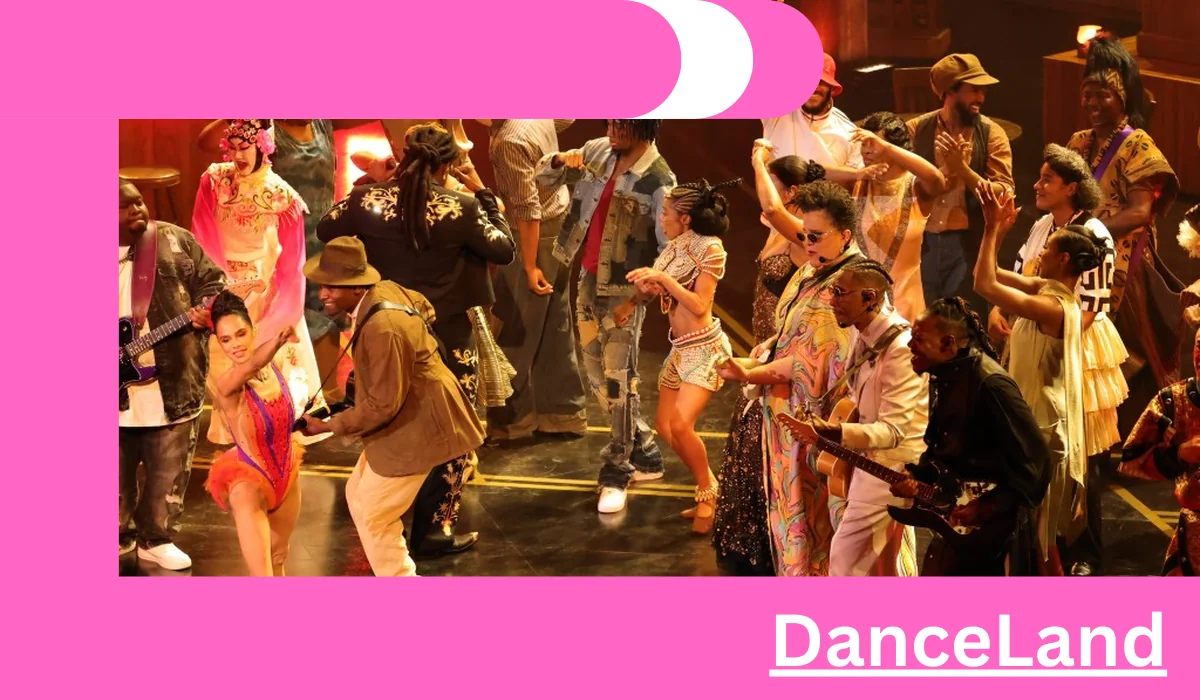
At this year’s Oscars, an electrifying performance captivated audiences and highlighted the enduring power of music and dance in storytelling. Notably, Misty Copeland, renowned ballet dancer and American Ballet Theatre principal, joined a dynamic lineup of artists to deliver a stirring rendition of “I Lied To You” from the film Sinners. Alongside Miles Caton and Raphael Saadiq, Copeland’s presence brought a blend of classical ballet grace and contemporary artistry to the stage, emphasizing the cultural significance intertwined with the song’s poignant narrative.
The Significance of the Performance
Celebrating Cultural Heritage Through Art
This performance at the Oscars was more than just a musical showcase; it was an homage to the rich tapestry of Black music and dance traditions. The set design recreated the iconic film’s Club Juke, immersing viewers in a vibrant environment where history and innovation converge. The scene vividly captures the evolution of Black artistic expression, from soulful blues to modern dance forms. Misty Copeland’s participation underscored her role as a cultural ambassador, translating the depth and nuance of ballet into a collective celebration of heritage.
Collaborative Artistic Expression
The collaborative effort of Miles Caton, Raphael Saadiq, and Copeland exemplifies how diverse disciplines—music, dance, and cinematic storytelling—can coalesce into a compelling performance. Caton and Saadiq led an ensemble that included performers like Eric Gales, Buddy Guy, Brittany Howard, and others, each contributing their unique styles. Copeland’s classical ballet perspective added a layer of elegance and technical precision, enriching the visual narrative and elevating the emotional impact for the audience.
Performance Details and Cultural Impact
Design and Choreography
The stage design’s meticulous recreation of the film’s environment created a visceral sense of place, drawing viewers into the story’s heart. Dancers performed a variety of movement styles—breakdancing, twerking, traditional African dance forms such as Zaouli and Xiqu—highlighting the diverse spectrum of Black dance. Misty Copeland’s participation introduced a contemporary ballet element, symbolizing the universality of artistic expression and its power to connect different cultural spheres.
Significance in the Context of the Oscars
The performance was a visual and auditory testament to the themes of resilience, identity, and cultural continuity. The song “I Lied To You,” written by Raphael Saadiq and Ludwig Göransson, resonated deeply as it narrates stories of personal and collective history. Its nomination for Best Original Song underscored the importance of music in storytelling, particularly within the context of Black cultural history and cinematic representation.
Broader Cultural and Artistic Reflections
This Oscars performance exemplifies how art functions as a dialogue across generations and disciplines. Misty Copeland’s role bridged the worlds of classical ballet and popular culture, illustrating that diverse art forms can come together in a celebration of shared heritage. The integration of dance styles such as breakdancing and traditional African dances alongside ballet signifies a recognition of the fluidity and richness of Black artistic traditions.
Conclusion
The appearance of Misty Copeland alongside Miles Caton, Raphael Saadiq, and a host of talented performers for the “I Lied To You” performance at the Oscars exemplifies a dynamic blend of artistry and cultural homage. It showcased the collective resilience and evolving narratives within Black music and dance, emphasizing the importance of preserving and celebrating these traditions on the world’s most prominent stage. This event stands as a reaffirmation that art continues to serve as a vital vessel for cultural identity, historical remembrance, and social expression in contemporary cinema and performance.
Frequently Asked Questions
Who is Misty Copeland?
Misty Copeland is a prominent American ballet dancer and the first African American woman to be promoted to principal dancer at the American Ballet Theatre. She is a renowned advocate for diversity in ballet and a prominent figure in the dance community.
What is the song “I Lied To You” about?
“I Lied To You” is a song from the film Sinners, written by Raphael Saadiq and Ludwig Göransson. It reflects themes of personal identity, storytelling, and cultural history, serving as a narrative centerpiece in the movie.
Why was the performance significant?
The performance was significant because it combined different art forms—music, ballet, contemporary dance—to honor Black cultural heritage. It also highlighted the importance of storytelling through art at a global event like the Oscars, emphasizing cultural preservation and innovation.