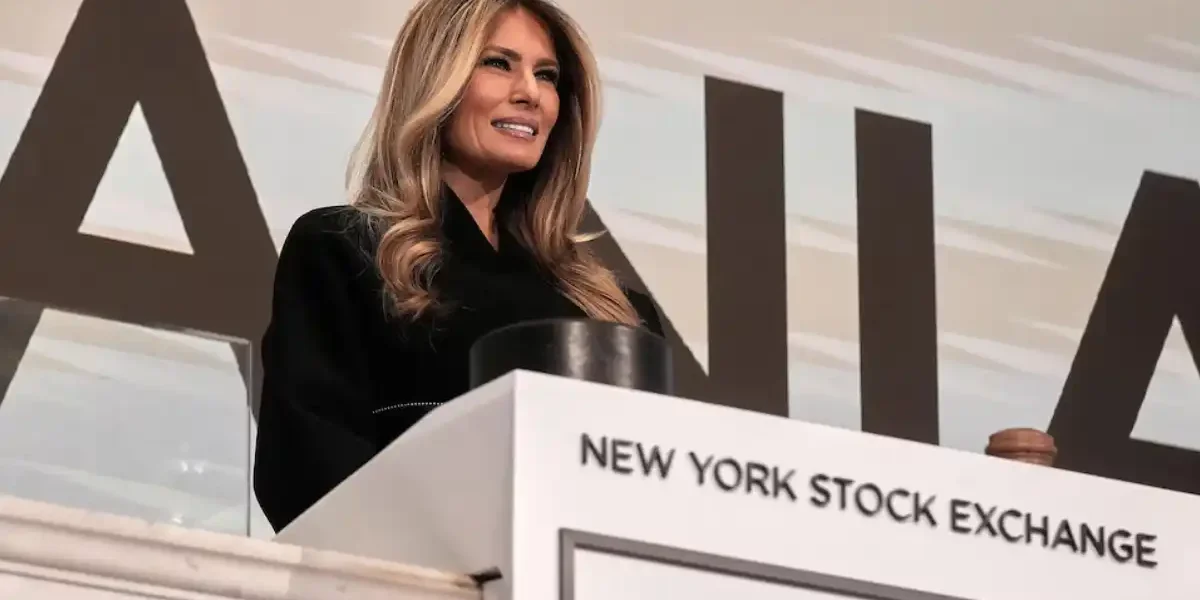
Melania Documentary Sparks Major Backlash: Critics Call It Propaganda as Box Office Struggles

January 31, 2026 — The Amazon-backed documentary Melania, centered on First Lady Melania Trump’s life and timed to coincide with her return to the White House in 2025, has ignited sharp criticism from reviewers, political commentators, and audiences alike. What was billed as an intimate portrait has instead become a flashpoint in cultural debates over media, money, and politics.
Critics Deliver Harsh Reviews
Since its early screenings, the documentary — directed by Brett Ratner and financed through an unprecedented Amazon deal — has been nearly universally panned by professional critics. Major outlets described Melania as superficial, overly polished, and devoid of meaningful insight. Critics repeatedly labeled the film more akin to a “love letter” or vanity project than a serious documentary.
On review aggregator Rotten Tomatoes, Melania currently holds a dismal 8 % critics score, placing it among the lowest-rated films in recent memory. Some reviewers stated the film “fawns lavishly” over its subject without probing deeper questions, while others called it a bland and staged portrayal devoid of substance.
User reaction has been equally blunt. Platforms where audiences can post movie ratings and reviews have seen Melania score just 1.2 stars on average, with many users dismissing the documentary as “propaganda” or a “glossy infomercial.”
Money and Motive: The Price Tag That Raised Eyebrows
Central to the controversy is the documentary’s massive financial footprint. Amazon reportedly paid around $40 million for the rights and spent an additional $35 million on marketing — an eye-watering sum for a documentary project. The total investment — at least $75 million — far outstrips typical production and promotional costs in the nonfiction genre.
Critics and commentators have questioned Amazon’s motives in greenlighting such a high-priced project. Some argue that the deal functions less as a genuine storytelling endeavor and more as a form of political payoff or influence-building with one of the most powerful families in U.S. politics. Former Amazon insiders and industry experts have reportedly described the price tag as almost unprecedented and open to interpretation as a strategic business or political move.
Ratner himself has defended the expenditure, dismissing claims that the film was a political play or a bribe. He argued that the budget facilitated hiring top talent and supported a broader project that includes both the feature documentary and a three-episode docuseries slated for release on Prime Video.
Box Office & Audience Response
Despite Amazon’s deep pockets, Melania appears to be struggling commercially. Reports from multiple markets indicate weak ticket sales; in some cases, cinemas reported near-empty houses on opening weekend. In the UK, for example, the film reportedly sold only one ticket at some showings — a stark contrast to the hype surrounding its release.
In the United States, talk show hosts and cultural commentators have been quick to mock the documentary’s box office prospects. Late-night personality Stephen Colbert quipped that Melania seemed to have sold “zero tickets” ahead of its debut, while poking fun at the film’s content and expense.
Political and Cultural Backdrop
The public and critical backlash is occurring against a backdrop of heightened political tensions in the United States. Critics have questioned the timing of the documentary’s release — especially as debates over immigration, economic policy, and national unity remain unresolved. Some observers argue that while the film portrays Melania Trump as an immigrant success story, such themes feel tone-deaf in light of ongoing contentious federal immigration actions.
Further complicating the narrative, many viewers and commentators have highlighted aspects of the filmmaking process that fuel skepticism. Reports indicate that a significant portion of the production crew requested to have their names removed from the credits, underscoring internal discomfort with the project’s direction and its political implications.
Inside the Film
Despite the backlash, Melania does offer some moments that aim to humanize its subject. The documentary includes remnants of personal life — from family reflections to behind-the-scenes footage of high-profile political events. Highlights cited by reviewers include Melania’s private musings and small gestures that attempt to provide a window into her world.
However, for many critics, such moments are overshadowed by the film’s overall narrative choices — choices that frame the First Lady’s life through a highly curated lens that leaves many substantive questions unasked.
What Comes Next
With its theatrical run off to a lukewarm start and wider distribution on streaming platforms imminent, Melania has already become a cultural touchstone in 2026 — not for what it reveals, but for what it symbolizes. The film has sparked conversations about the intersection of entertainment, politics, and corporate influence in ways few documentaries in recent years have. Whether it finds redemption among broader audiences on streaming remains to be seen.