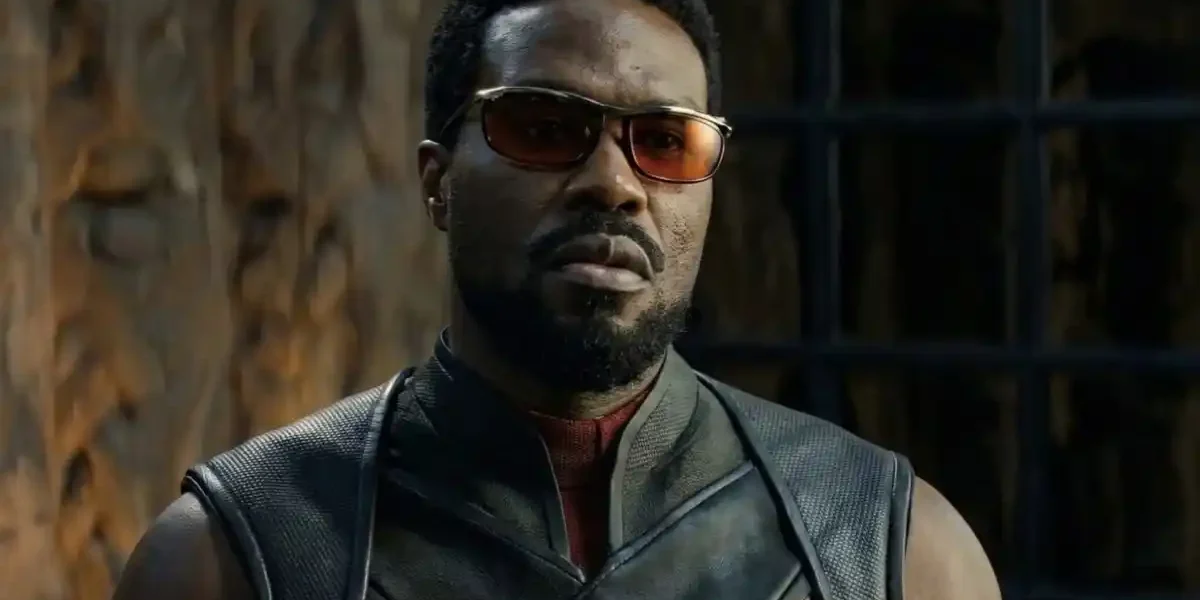

Marvel Studios’ Wonder Man arrives as one of the most unconventional projects in the Marvel Cinematic Universe, and according to IGN’s spoiler-heavy review, that’s both its greatest strength and its biggest gamble. Rather than chasing world-ending stakes or multiverse chaos, Wonder Man pulls the camera inward, delivering a character-driven story about fame, failure, and identity — with superpowers treated more like a complication than a fantasy.
At a time when superhero fatigue has become a common talking point, Wonder Man deliberately sidesteps the formula. The series focuses on Simon Williams, played by Yahya Abdul-Mateen II, a struggling actor whose dreams of Hollywood success are constantly undercut by bad luck, bad timing, and his own insecurities. When Simon unexpectedly develops superhuman abilities, the show resists the obvious path. He doesn’t become a costumed icon or an instant celebrity. Instead, his powers threaten to destroy the one thing he actually wants: a real acting career.
A Superhero Story About Not Being a Superhero
IGN’s review highlights how Wonder Man positions itself closer to a Hollywood satire than a traditional Marvel action series. Much of the show’s runtime is spent on auditions, awkward networking events, disastrous on-set mishaps, and conversations about what success actually looks like in an industry that thrives on image over substance.
Superpowers exist in this world, but they’re treated as liabilities. Simon’s abilities create insurance nightmares, attract unwanted government attention, and ultimately force him to confront whether being “special” is worth the cost of being authentic. The result is a show that feels more grounded than most MCU entries, even when it leans into absurdity.
This smaller scale is intentional. According to IGN, Wonder Man thrives when it embraces its low-stakes approach, allowing character moments to breathe instead of rushing toward explosive set pieces. When action does arrive, it often feels accidental — the byproduct of Simon’s lack of control rather than heroic intent.
Yahya Abdul-Mateen II and Ben Kingsley Steal the Spotlight
One of the most praised aspects of the series is its central performances. Abdul-Mateen delivers a layered portrayal of Simon Williams, balancing frustration, charm, and vulnerability. His version of Simon isn’t chasing glory; he’s chasing validation, and that makes his journey feel surprisingly relatable.
Ben Kingsley’s return as Trevor Slattery — the infamous “fake Mandarin” from Iron Man 3 — adds unexpected emotional weight. Once a punchline in the MCU, Trevor becomes the heart of Wonder Man. His mentorship of Simon is messy, flawed, and occasionally selfish, but it’s also sincere. IGN notes that the evolving friendship between Simon and Trevor provides the show with its most affecting moments, particularly when betrayal and sacrifice enter the picture.
Their dynamic transforms Wonder Man into a buddy drama as much as a superhero story, grounding its more satirical elements with genuine emotion.
Hollywood Satire With a Marvel Twist
Wonder Man doesn’t just tell a story set in Hollywood — it actively critiques it. The series pokes fun at casting politics, celebrity culture, and the industry’s obsession with marketability. A recurring plot device involving liability rules for enhanced individuals becomes both a running joke and a thematic pillar, reinforcing the idea that being extraordinary doesn’t guarantee acceptance.
IGN’s review suggests that while the satire doesn’t always bite as sharply as it could, it remains consistently self-aware. The show is unafraid to comment on Marvel itself, subtly acknowledging franchise burnout and the pressure to constantly escalate spectacle.
This meta approach won’t appeal to everyone. Viewers expecting nonstop action or major MCU crossovers may find Wonder Man deliberately restrained. But for those willing to meet it on its own terms, the series offers something rare in the superhero genre: introspection.
A Finale Focused on Choice, Not Chaos
Rather than ending with a massive battle, Wonder Man reportedly closes on a more personal resolution. The finale centers on accountability, friendship, and Simon’s decision about how — or if — he wants to exist in the public eye. It’s a conclusion that reinforces the show’s thesis: heroism isn’t about power, but about responsibility and honesty.
IGN frames the ending as quietly satisfying rather than crowd-pleasing, a choice that underscores Marvel’s willingness to experiment within its television slate.
A Small Story With Big Implications
Wonder Man may not redefine the MCU, but it signals a potential shift in how Marvel approaches storytelling on Disney+. By prioritizing character over spectacle, the series demonstrates that superhero narratives don’t need apocalyptic stakes to matter.
Whether audiences embrace this direction remains to be seen, but one thing is clear: Wonder Man isn’t trying to be the loudest voice in the room. Instead, it’s content to be the most honest — and that may be its most superpowered trait.