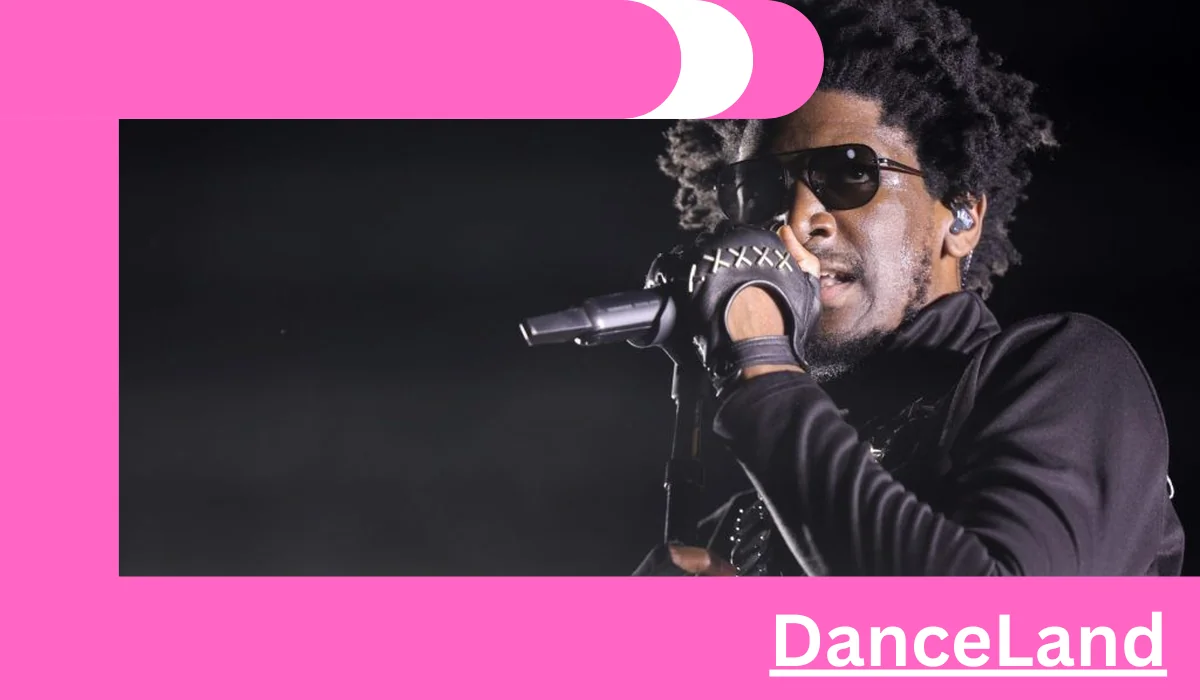
Labrinth Criticizes Music Industry in Recent Post: ‘Fake Is Not a Viable Business Strategy’

In a candid and outspoken post on Instagram, Labrinth has publicly voiced his frustrations with the music industry, emphasizing a stark critique of authenticity and business practices. The statement, titled with the provocative phrase, ‘Fake Ain’t a Good Business Plan,’ highlights the artist’s disillusionment with what he perceives as superficiality and inauthenticity prevalent within the industry today. This post has sparked widespread attention, reflecting a broader conversation about integrity and genuine relationships in music.
Understanding Labrinth’s Post: A Deep Dive into His Industry Grievances
On March 17, Labrinth published a lengthy note via the Notes app on Instagram that quickly went viral among fans and industry insiders. In it, he denounces the transactional nature of modern music culture, encapsulating his sentiments with the statement: “WE HOVER AROUND BIG STARS HOPING TO BE IN THEIR PLACE ONE DAY LIKE SNAKES,” signaling his view of the competitive and often duplicitous environment artists navigate.
He further remarks on how talented musicians often feel compelled to either emulate or compete with established stars, sometimes at the expense of their integrity or authentic artistry. His metaphor of “waiting to eat their own owners” suggests a cycle of exploitation or manipulation, where artists are valued more for their marketability than their creative depth.
Key Themes in Labrinth’s Critique
Authenticity vs. Commercialism
- Labrinth questions the commodification of music, referring to it as “God’s noise,” which he implies is being reduced to mere business transactions.
- He criticizes how authenticity is often sacrificed for commercial gain, with artists feeling pressured to conform to trends or industry expectations.
The Toxic Culture of Fakeness
- The phrase “Fake ain’t a good business plan” underscores his belief that inauthentic relationships and superficial personas are lucrative but ultimately detrimental.
- Labrinth’s observation aligns with broader critiques about the rise of manufactured images over genuine artistry in popular music.
Disillusionment and Breakaway
- The post also reveals a desire for meaningful interactions and genuine connections, contrasting sharply with perceived industry insincerity.
- His declaration of being “done with this industry” resonates with artists who are feeling increasingly disillusioned or exploited by the machinery of fame and commerce.
Repercussions and Industry Reactions
The immediate response to Labrinth’s post has been one of support from fellow artists and fans alike. Notably, singer India.Arie responded with “We have all felt this! I really feel you,” indicating shared experiences of disillusionment. Lauren Jauregui and Dove Cameron also voiced solidarity, emphasizing that these frustrations are not isolated.
This support highlights a growing awareness and perhaps a shift within the industry—artists are increasingly calling out inauthenticity and demanding more genuine interactions and respect. Labrinth’s stance punctuates the ongoing tension between artistic integrity and commercial imperatives that shapes the modern music landscape.
Background Context: Labrinth’s Industry Journey
Labrinth’s history with the music business adds layers to his recent outburst. The British singer/producer has been signed to major labels, including Columbia and Syco, yet has expressed frustrations before. Despite releasing successful albums and hit singles—including collaborations with Zendaya, who starred in “Euphoria,” the series for which Labrinth also composes the score—he has publicly criticized the industry’s inhumane or superficial tendencies.
His recent deletion of previous posts condemning his record label and the show “Euphoria” suggests a complex relationship with the industry’s pressures and compromises. As he prepares for the release of upcoming seasons of “Euphoria,” his outspoken stance indicates a desire to pursue creative freedom and authenticity despite industry constraints.
Possible Impacts and Future Outlook
Labrinth’s public criticism may serve as a catalyst for dialogue about transparency, artist treatment, and authenticity in music. With support from other artists, his voice could inspire collective reflection on how the industry values or devalues genuine artistry.
Whether this marks a turning point or remains an isolated critique, it highlights the ongoing struggles artists face when balancing commercial success with personal integrity. The conversation Labrinth has ignited could influence industry practices, encouraging more honest and supportive environments.
FAQs
What prompted Labrinth’s Instagram post?“
Labrinth’s post appears rooted in frustration with the superficiality and transactional nature of the music industry, as well as his own experiences working with major labels and within a commercial-focused environment.
Has Labrinth spoken out before about industry issues?“
Yes. Labrinth has previously criticized his record label and the entertainment industry, and his recent posts continue to reflect his dissatisfaction with how artists are treated and how authenticity is commodified.
What has been the industry’s response to Labrinth’s comments?“
Many artists and fans have expressed support, sharing similar frustrations. However, some industry insiders might see these remarks as overly candid or provocative, illustrating the tension between artistic honesty and industry norms.
Does Labrinth plan to leave the industry?“
He has publicly declared being “done with this industry,” indicating a desire to step back or at least reevaluate his relationship with it. Whether this means complete disengagement remains to be seen.
Conclusion
Labrinth’s outspoken critique of the music industry sheds light on the pervasive issues of inauthenticity and exploitation that many artists navigate. His stance underscores a call for more transparency, genuine interactions, and respect within the creative community. As debates around artist rights and industry ethics gain momentum, voices like Labrinth’s serve as crucial reminders that integrity should not be sacrificed for profit. Whether his words inspire tangible change or remain a bold statement, they undeniably contribute to the ongoing conversation about the true value of art over commerce.