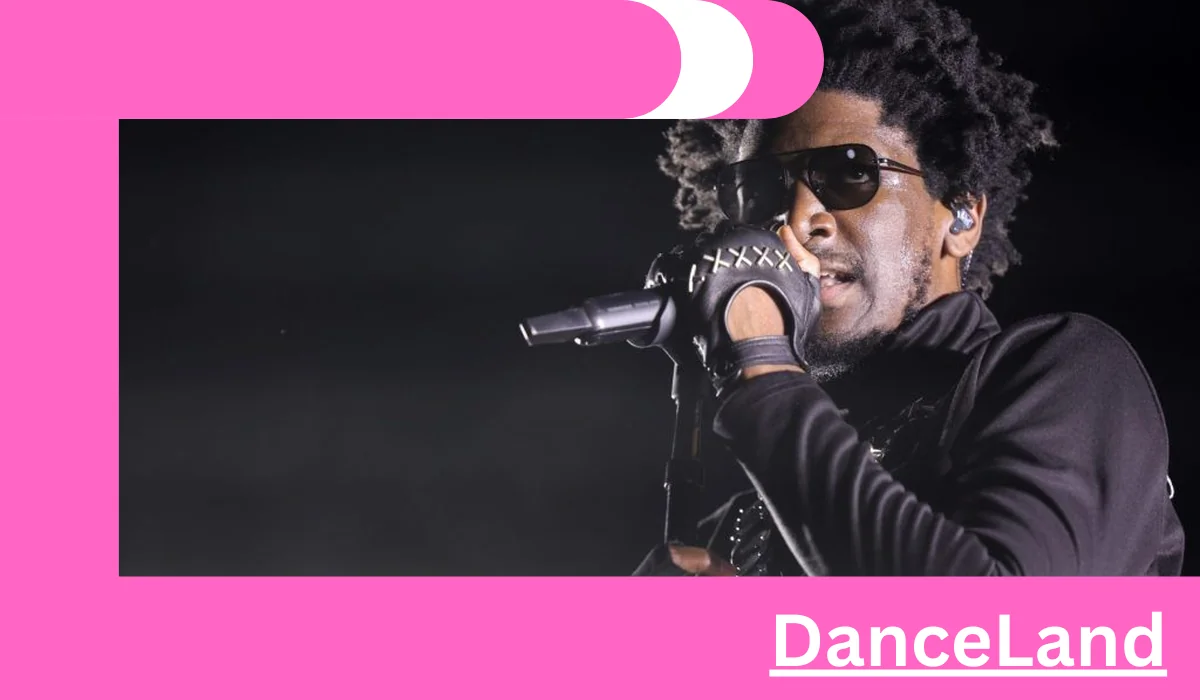
Labrinth Criticizes Music Industry in Recent Post: ‘Being Fake Isn’t a Viable Business Strategy’

In a recent social media post that has garnered significant attention, Labrinth has taken a stand against perceived injustices within the music industry, emphasizing the pitfalls of insincerity and superficiality. His blunt words—‘Fake ain’t a good business plan’—highlight a growing sense of disillusionment among artists who feel constrained by industry norms that prioritize profit over authenticity. This outspokenness reflects larger conversations about the integrity of the music business and the challenges faced by artists seeking genuine connections and fair treatment in a highly commercialized environment.
Labrinth’s Outcry: What Did He Say?
On March 17, Labrinth shared a candid note via Instagram’s Notes app, expressing his frustrations with the industry. His post began with stark imagery: “WE HOVER AROUND BIG STARS HOPING TO BE IN THEIR PLACE ONE DAY LIKE SNAKES,” suggesting that aspiring artists often feel passive, manipulated, or even used by those already at the top. He further added, “WAITING TO EAT THEIR OWNERS,” implying a predatory cycle where relationships are transactional rather than authentic.
His message escalated as he questioned the ethics of industry practices: “WHO THE F— SAID THIS IS NORMAL OR OK TO TURN WHAT I CALL GODS NOISE (our music) INTO BUSINESS TRANSACTIONS?” Labrinth’s choice of words underscores his discomfort with the commodification of music and the loss of genuine artistic expression.
He concluded his message with a clear stance: “I DONT SUBSCRIBE,” signaling his rejection of the prevailing industry culture he perceives as corrupt or superficial. He emphasized the importance of meaningful interactions over transactional, often exploitative relationships, reiterating that “Fake ain’t a good business plan.”
The Industry’s Response and Artist Solidarity
Labrinth’s candid post quickly resonated across the music community. Many artists responded publicly, echoing his sentiments:
- India.Arie shared empathetic support: “We have all felt this! I really feel you,” highlighting the universal aspect of industry frustration.
- Dove Cameron commented, “I genuinely think about this every day,” signaling widespread concern among younger artists about authenticity and exploitation.
- Fans and fellow musicians alike showed solidarity, expressing their love and support for Labrinth’s stance, with some asking who might have wronged him and assuring him they stand with him.
This collective backing suggests a shift among artists toward valuing integrity and truthful interactions within their careers, possibly signaling a move away from the more artificial elements traditionally glorified in the industry.
Background: Labrinth’s History with the Industry
Labrinth’s recent outspokenness is not isolated. The artist has voiced dissatisfaction previously, including a now-deleted post condemning his record label, Columbia, and the HBO series Euphoria. His fiery messages—such as “I’M DONE WITH THIS INDUSTRY” and “F–K COLUMBIA / DOUBLE F–K EUPHORIA / I’M OUT”—reflect deep-seated frustrations that have been building over years of industry experience.
Despite his success — with multiple hit singles and renowned collaborations, including work with Zendaya on the song “All for Us” — Labrinth feels increasingly alienated by the mechanisms of commercial music production. His comments indicate a desire for more authentic, meaningful work and relationships, resonating with many in the industry who also feel constrained by labels and corporate interests.
Implications for the Music Business
Labrinth’s candid remarks highlight critical issues facing modern artists:
- Authenticity vs. Commercialism: The tension between artistic integrity and the commercial pressures to produce market-friendly content.
- Industry Exploitation: The perception that artists are often used as pawns, with relationships reduced to transactions rather than collaborations rooted in mutual respect.
- Artist Mental Health: The toll of navigating a cutthroat environment that often undervalues genuine artistic expression and personal well-being.
His outspoken stance adds to ongoing discussions about reforming industry practices to prioritize transparency, artist support, and authentic creativity.
Will This Change Industry Norms?
While one post alone may not shift the entire landscape, Labrinth’s outspoken attitude could influence peers and industry stakeholders to reevaluate their approaches to artist relations and business ethics. Increasingly, artists are leveraging social media as a platform to voice authenticity, stand against exploitation, and foster communities built on honesty.
Furthermore, public support for Labrinth signals that fans and fellow artists are hungry for more genuine interactions and transparent dealings, potentially paving the way for a cultural shift towards accountability and integrity in the music business.
Frequently Asked Questions
What prompted Labrinth to post such a direct critique of the industry?
Labrinth’s frustrations seem rooted in his experiences with industry exploitation, the commodification of music, and perceived superficial relationships. His posts reflect a desire to speak openly about these issues, likely influenced by ongoing personal and professional challenges.
Has Labrinth made similar statements before?
Yes, Labrinth has previously expressed dissatisfaction with aspects of the industry, including a more controversial post criticizing his record label and show Euphoria. His recent comments continue this pattern of outspoken honesty.
How have industry peers reacted to Labrinth’s posts?
Many artists have publicly supported him, echoing his sentiments about authenticity and industry issues. This indicates a broader movement of artists increasingly willing to speak out against perceived injustices.
Could Labrinth’s comments influence industry reforms?
While individual posts may not instigate systemic change on their own, they contribute to ongoing conversations calling for transparency, fair treatment, and respect for artistic integrity. Collective artist voices can sometimes catalyze broader industry shifts.
Conclusion
Labrinth’s recent social media post underscores a fundamental tension in the modern music industry: the conflict between artistic authenticity and commercial interests. His bold words serve as a reminder of the importance of genuine relationships and integrity in a field often driven by profit. As more artists speak out and fans become more conscious of industry practices, there may be a gradual shift towards a healthier, more transparent music ecosystem that values sincerity over superficiality.