Labrinth Criticizes Music Industry in Recent Post: ‘Being Fake Isn’t a Solid Business Strategy’

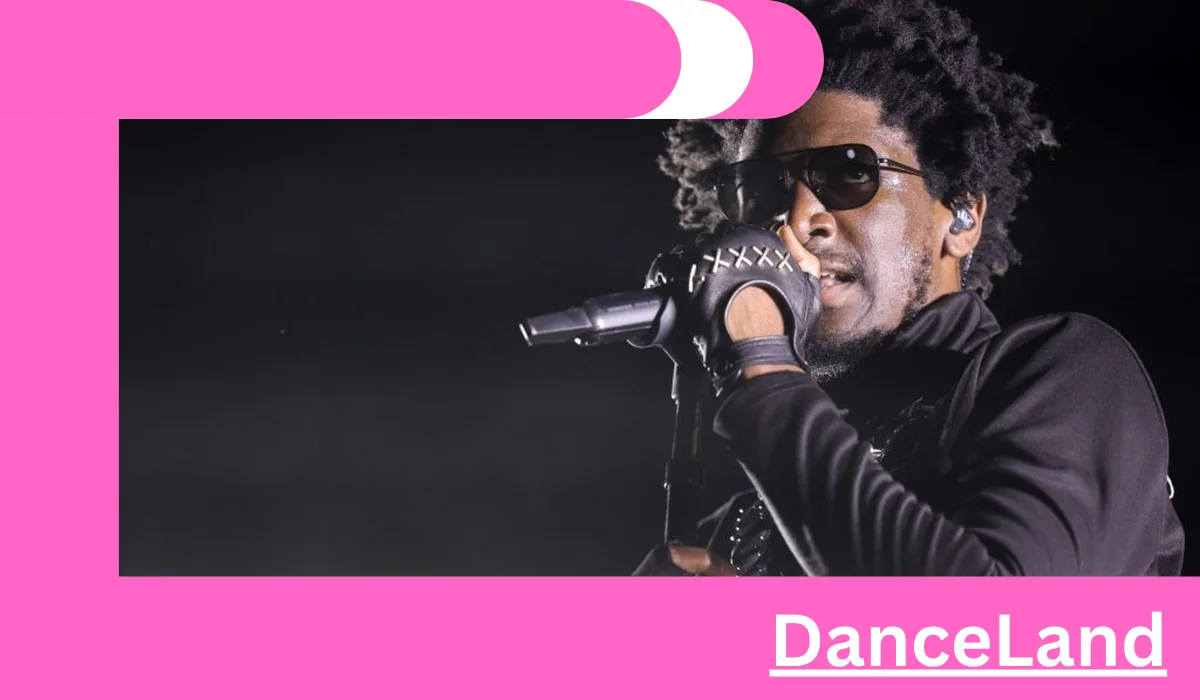
In a recent social media post that has quickly garnered attention across the music industry, Labrinth expressed sharp criticism and disillusionment with the state of the music business. Sharing his thoughts on Instagram via a Notes app post, he boldly declared, “Fake ain’t a good business plan,” highlighting deep frustrations with industry practices that often prioritize superficiality over authenticity. This candid statement has reignited conversations about industry integrity, artist treatment, and the commercialization of music.
Context of Labrinth’s Outburst
Labrinth, a British singer, songwriter, and producer renowned for hits like “Beneath Your Beautiful” and collaborations with artists such as Sia and Zendaya, has been notably vocal in recent weeks. His posts reveal a growing disillusionment with the music industry’s methods, especially regarding how artists are cultivated, marketed, and managed. The particular emphasis on industry fakery underscores a broader perception among artists that authenticity is often sacrificed for commercial success.
Analysis of Labrinth’s Critique
Industry Culture as a ‘Snake Pit’
Labrinth’s opening remark—“We hover around big stars hoping to be in their place one day like snakes”—evokes a metaphor of the competitive, sometimes treacherous environment artists navigate to achieve fame. The analogy suggests a predatory landscape where artists wait for opportunities, often at the expense of genuine relationships or artistic integrity. He criticizes the pursuit of superficial success over meaningful creative expression.
Disillusionment with Industry Norms
He questions, “Who the f— said this is normal or okay to turn what I call gods’ noise into business transactions?” This pointed question questions the commodification of music, implying that what should be revered as art has been reduced to a mere product for profit. Labrinth challenges the prevailing norms that prioritize metrics like streaming numbers and chart positions over artistic authenticity.
The Impact on Artists and Relationships
Labrinth also highlights how the industry’s focus on material gain destroys genuine relationships among artists. He laments that “meaningful interactions” are often replaced by transactional exchanges designed to benefit bigger corporate interests. Such dynamics may foster a culture where artists feel used or discarded once they no longer serve commercial objectives.
Artist Reactions and Industry Responses
The post has resonated widely, with support coming from fellow musicians and fans alike. India.Arie responded empathetically, saying, “We have all felt this! I really feel you,” indicating that frustrations with the industry’s superficiality are common among artists. Lauren Jauregui, former Fifth Harmony member, also commented with emojis signifying agreement, underscoring the shared sentiment of disillusionment.
Fans have shown their solidarity, expressing love for Labrinth and calling out the industry’s flaws. Several artists, including Dove Cameron, voiced that they constantly contemplate the same issues, revealing a collective weariness with manipulative industry practices.
Recent Past Tweets and Industry Tensions
Labrinth’s frustrations aren’t new; he previously posted a now-deleted message criticizing his record label Columbia and the series Euphoria—which he scored for—describing himself as “done with this industry.” These posts suggest an ongoing battle with the commercial aspects of the music business and perhaps a desire to step away from the current system.
Broader Implications and Industry Trends
Labrinth’s outspoken stance highlights significant issues within the music industry, including:
- The commodification of music and artistry, where profit often trumps creative integrity.
- The transactional nature of artist-label relationships, which may hinder genuine artistic development.
- Inadequate support for artists to forge meaningful connections in a system driven by metrics and marketing tactics.
These concerns are echoed by many within the industry, especially as artists become more vocal on social media platforms about their experiences and frustrations.
Conclusion
Labrinth’s candid expressions serve as a stark reminder of the cracks within the music industry’s façade. While the commercial success of music remains vital, his comments underscore an increasing desire among artists and fans for authenticity and integrity. Whether or not the industry adapts, conversations like these are crucial for fostering change and encouraging more genuine creative environments.
Frequently Asked Questions
What prompted Labrinth to post such a critical message?
Labrinth’s recent posts reflect his ongoing frustrations with perceived superficiality and transactional practices within the music industry, exacerbated by experiences with his record label and the cultural climate surrounding shows like Euphoria.
How have industry peers responded to Labrinth’s critique?
Several artists, including India.Arie and Lauren Jauregui, have expressed support or empathy, indicating that Labrinth’s sentiments resonate widely among musicians who feel similarly disillusioned.
Could Labrinth be planning to leave the industry entirely?
While he has expressed frustrations and a desire to disengage, it remains to be seen whether Labrinth plans to completely exit or merely seeks to highlight issues and advocate for change.
What does Labrinth’s stance imply for upcoming artists?
His outspoken dissent encourages emerging artists to prioritize authenticity, build genuine relationships, and be cautious of industry practices that may compromise artistic integrity.
As broader discussions about artist rights and industry reform continue, Labrinth’s bold statements contribute to a necessary dialogue about how to foster a music environment rooted in honesty and respect.