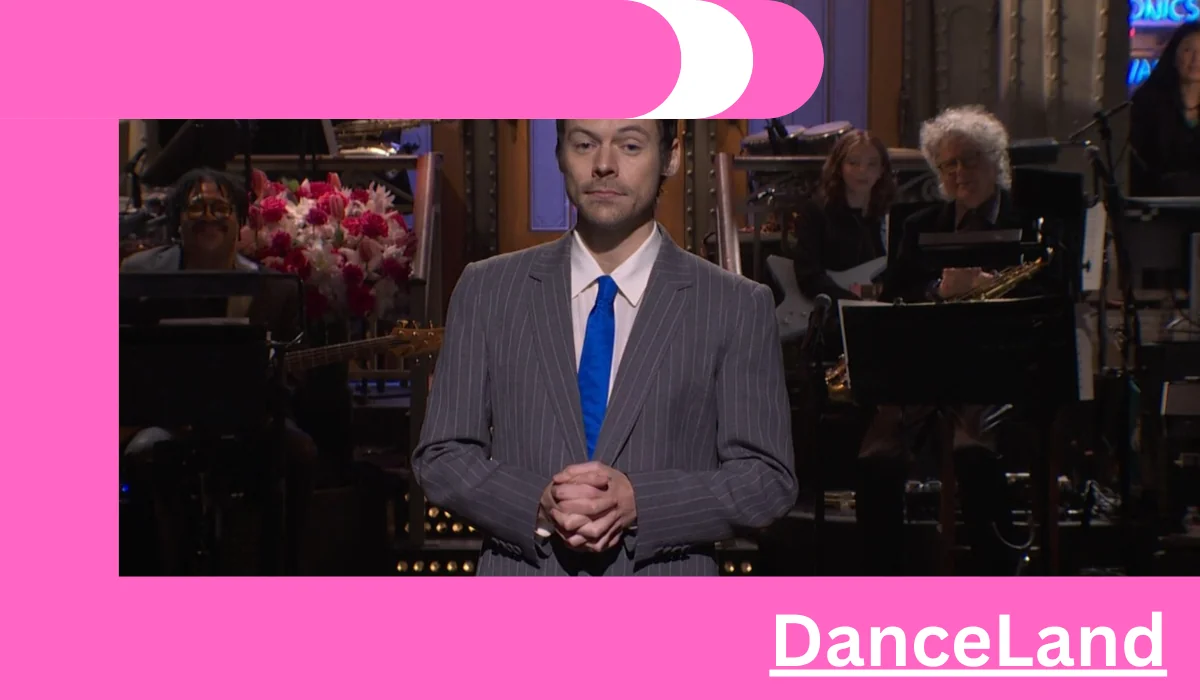
Harry Styles Responds to Queerbaiting Allegations on ‘SNL,’ Closes Monologue with Ben Marshall Kiss: “Now That’s Queerbaiting”

Harry Styles Addresses Queerbaiting Claims on ‘SNL,’ Ends Monologue With Ben Marshall Smooch: “Now That’s Queerbaiting”
In a recent episode of Saturday Night Live (SNL), Harry Styles sparked widespread discussion by directly addressing allegations of queerbaiting, a term frequently used in pop culture to describe actions that hint at LGBTQ+ themes without a genuine intention or representation. His approach was both candid and playful, culminating in a memorable closing moment that blurred the lines between performance and reality: a kiss with comedian Ben Marshall, which Styles cheekily declared, “Now that’s queerbaiting.”
Context Behind the Queerbaiting Accusations
Harry Styles, renowned for his gender-fluid fashion and inclusive image, has long been at the center of debates surrounding queerbaiting. Critics have argued that his fashion choices—such as wearing dresses or jewelry traditionally associated with women—are often used as superficial signaling rather than authentic expressions of LGBTQ+ identity. This has led to accusations that Styles is using queer aesthetics to generate buzz, attract a wider audience, or maintain a provocative persona without truly engaging with LGBTQ+ communities or issues.
Styles has addressed these claims on multiple occasions, emphasizing that his fashion and artistic choices are expressions of personal freedom and identity, not marketing tools. However, the controversy persists, prompting his appearance on SNL to tackle the topic head-on.
Harry Styles’ SNL Monologue and Response
During his monologue, Styles reflected on his hiatus from music and performance, mentioning how his time off allowed him to contemplate his artistic and personal identity. He also touched upon his fashion choices, stating:
- “Back then, people seemed to pay a lot of attention to the clothes I was wearing, and some people accused me of something called queerbaiting.”
- “But did it ever occur to you that maybe you don’t know everything about me, dad?”
This playful jab exemplifies Styles’ approach to the controversy: addressing it directly yet with a sense of humor. He further explained that his work, including his new record titled Kiss All The Time. Disco, Occasionally, often revolves around themes of love and affection, which he perceives as natural human experiences that should not be politicized.
The Climactic Kiss: “Now That’s Queerbaiting”
The highlight of Styles’ appearance came at the end of his monologue when Ben Marshall, a comedian and performer, came onto the stage. In a spontaneous and humorous moment, Styles shared a kiss with Marshall, then quipped:
“Now that’s queerbaiting,”
This staged kiss served multiple purposes. On one level, it was a playful acknowledgment of the ongoing debates, using humor to subvert or embrace the criticism. On another, it symbolized Styles’ refusal to be boxed into simplistic narratives about sexuality or identity. The moment resonated with audiences, challenging the stereotypes surrounding queer representation and the boundaries of performance art.
Public Reaction and Cultural Significance
Hello, social media! The moment quickly went viral, with fans and critics alike dissecting the implications. Some lauded Styles for his boldness in confronting the issue directly, viewing it as a statement against narrow-minded interpretations of gender and sexuality. Others saw it as a clever stunt, leveraging humor and controversy to maintain his enigmatic persona.
In the broader cultural context, Styles’ staged kiss highlights ongoing conversations about authenticity, performance, and representation in pop culture. As LGBTQ+ communities continue advocating for genuine visibility and respect, public figures like Styles walk a fine line—balancing artistic expression with social responsibility. His approach exemplifies a modern, nuanced take on identity, using humor to challenge perceptions without necessarily claiming a definitive label himself.
Conclusion
Harry Styles’ discussion of queerbaiting claims on SNL, especially with the memorable conclusion involving a kiss with Ben Marshall, underscores a pivotal moment in entertainment where humor, identity, and societal perceptions intersect. While some may interpret his actions as playful provocation, they also serve as a reminder that conversations about gender and sexuality are complex and evolving. Styles’ willingness to confront criticism with wit and staging pushes the boundaries of performance art, inviting audiences to question stereotypes and embrace fluidity.
FAQs
1. What is queerbaiting, and why is it controversial?
Queerbaiting refers to actions in media or entertainment that hint at LGBTQ+ themes or identities to attract attention or generate buzz, without actual representation or intention to depict authentic LGBTQ+ experiences. It can be controversial because it risks exploiting queer stereotypes or marginalizing LGBTQ+ communities by using sexuality as a marketing tool rather than an honest reflection.
2. Why did Harry Styles choose to end his SNL monologue with a kiss?
The kiss was both a humorous response to accusations of queerbaiting and a statement of fluidity and openness. It challenged stereotypes about masculinity and sexuality, emphasizing that expressions of love and affection are universal and not confined to one identity or label.
3. How has the public responded to Styles’ on-stage actions?
The response has been mixed but largely positive, with fans praising his authenticity and boldness. Critics see it as a clever use of humor to address complex social issues. The moment has sparked widespread discussion about representation and performance in pop culture.
4. Does Harry Styles identify as LGBTQ+?
Harry Styles has stated that he prefers not to label his sexuality publicly. His fashion choices and actions often celebrate gender fluidity, but he emphasizes that his expressions are about personal freedom rather than a specific identity.
5. What does this moment mean for future public discourse on gender and sexuality?
Styles’ approach exemplifies a shift toward more open and humorous conversations about gender, sexuality, and identity. It encourages fans and media to embrace nuance, challenge stereotypes, and recognize that performance and authenticity can coexist without definitive labels.