Harry Styles Responds to Queerbaiting Accusations on ‘SNL,’ Concludes Monologue with Ben Marshall Kiss: “Now That’s Queerbaiting”

Harry Styles recently found himself at the center of a lively discussion surrounding queerbaiting claims, especially after his appearance on Saturday Night Live (SNL). Known worldwide for his musical talent and charismatic stage presence, Styles also regularly captures attention with his fashion choices and public persona, which often blur traditional gender norms. During his recent hosting stint on SNL, Styles addressed these accusations head-on, culminating in a memorable moment that playfully tackled the concept of queerbaiting.
Understanding Queerbaiting and Its Context
What Is Queerbaiting?
Queerbaiting refers to the practice where media figures or productions hint at, or suggest, queer identities or relationships without explicitly confirming them. Often, this is seen as a marketing tactic designed to attract LGBTQ+ viewers or generate buzz without commitment, raising ethical questions about representation and authenticity.
In celebrity culture, accusations of queerbaiting have become more prevalent, particularly when public figures display gender-fluid fashion or make ambiguous statements that can be interpreted as teasing their sexuality, without explicitly confirming or denying it.
Harry Styles and the Queerbaiting Claims
Fashion and Public Persona
Harry Styles has long challenged gender norms through his fashion choices, frequently sporting clothing traditionally associated with women, such as high heels, skirts, and nail polish. While many fans embrace this as empowering and progressive, critics and some media outlets have argued that such displays might be a form of queerbaiting — using gender-fluid aesthetics to attract attention or sell an image.
Styles himself has responded to these allegations, emphasizing that his choices are expressions of personal identity rather than calculated marketing tools. His stance is that fashion is a form of self-expression, not a marketing ploy.
The SNL Monologue and Address
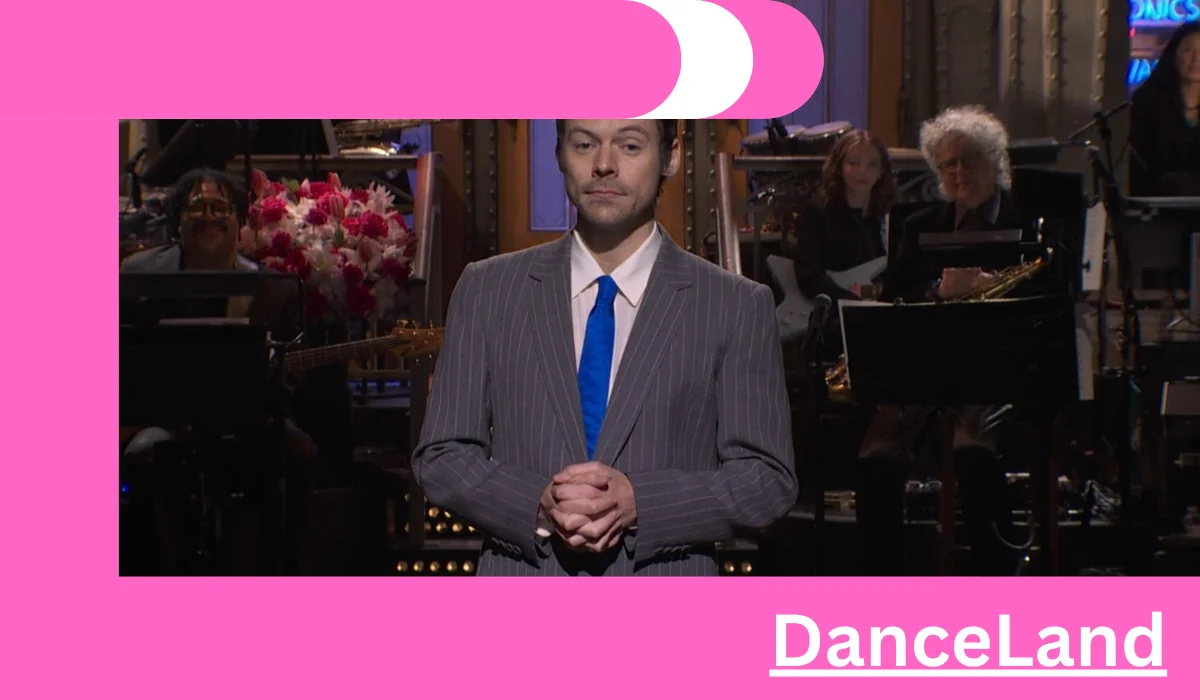
During his opening monologue on SNL, Styles directly addressed these accusations with wit and confidence. He reflected on his past fashion statements, saying, “Back then, people seemed to pay a lot of attention to the clothes I was wearing, and some people accused me of something called queerbaiting.” This acknowledgment subtly highlighted the ongoing debate about how his style is perceived.
Furthermore, Styles added a provocative layer to the discussion by referencing his latest record titled Kiss All The Time. Disco, Occasionally. He joked about the phrase being a prompt he used on ChatGPT, emphasizing that sometimes kissing “can be great,” regardless of the gender of the person involved. This playful joke about intimacy and gender fluidity feeds into the larger narrative about sexuality and expression.
The Ending’s Controversial Smooch with Ben Marshall
The ‘Now That’s Queerbaiting’ Moment
The highlight—and perhaps the most talked-about part—came at the close of his SNL appearance. Styles shared a stage with comedian Ben Marshall, and in a spontaneous, humorous gesture, the singer leaned in and shared a kiss with Marshall. As he concluded, Styles remarked, “Now that’s queerbaiting,” turning the moment into a tongue-in-cheek critique of the very accusations he faced.
This playful ending served multiple purposes: it defused tension, showcased his comfort with his identity, and questioned societal labels around sexuality and performative gestures. It also blurred the lines between genuine expressions and performance, prompting viewers to reconsider what authentic representation truly means.
Public and Critical Reactions
The moment sparked a variety of reactions across social media and entertainment circles. Supporters praised Styles for his confidence and humor, seeing it as a bold affirmation of queer identities and fluidity. Conversely, some critics argued that the kiss was merely performative or that it reinforced stereotypes about LGBTQ+ representation.
Regardless of the perspectives, Styles’ handling of the situation highlighted how contemporary pop culture increasingly embraces fluid identities while also questioning the boundaries of performative sexuality. His approach invites a broader conversation about how celebrities navigate these complex issues in public spaces.
Implications for Celebrity Culture and LGBTQ+ Representation
Harry Styles’ recent actions on SNL exemplify the evolving landscape of celebrity influence and LGBTQ+ representation. By addressing queerbaiting claims directly and ending with a playful smooch, Styles fuels a dialogue on authenticity, performativity, and the politics of gender expression in the entertainment industry.
It underscores a growing tendency among artists to openly challenge stereotypes, while also demonstrating that humor and self-awareness can be powerful tools in navigating these topics.
Frequently Asked Questions
1. Did Harry Styles actually support queerbaiting with his actions?
No, Styles has publicly stated that his fashion and behavior reflect his personal identity. His SNL moment was more a playful critique and celebration of fluidity rather than an endorsement of queerbaiting.
2. Why do some people accuse Styles of queerbaiting?
Because of his gender-fluid fashion choices and ambiguous statements about sexuality, some critics perceive these as ruses or marketing tactics aimed at attracting LGBTQ+ audiences without genuine commitment.
3. How does Styles’ ending on SNL impact the conversation around LGBTQ+ representation?
The playful kiss and quip serve as both a humorous critique and affirmation of fluidity, symbolizing a shift towards embracing authentic self-expression and questioning stereotypes in popular culture.
4. Is Harry Styles considered an LGBTQ+ advocate?
He has expressed support for LGBTQ+ rights and has been celebrated for challenging gender norms, but he often emphasizes that his fashion choices are personal rather than political statements.
Conclusion
Harry Styles’ addressing of queerbaiting claims during his SNL appearance exemplifies how modern celebrities are increasingly blending entertainment with social commentary. By turning a potentially contentious moment into a playful, self-aware gesture, Styles not only navigates societal expectations but also sparks a broader dialogue about authenticity, identity, and representation. As pop culture continues to evolve, such moments reflect a more open and nuanced conversation about how we perceive gender and sexuality in the public eye.