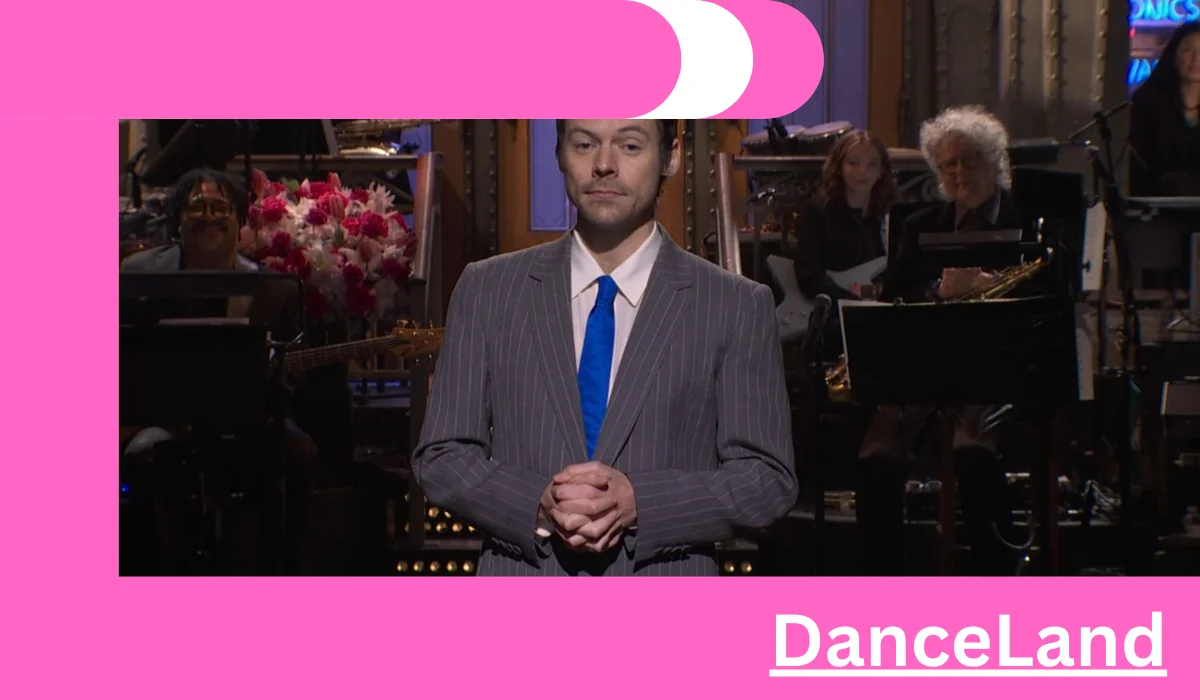
Harry Styles Responds to Queerbaiting Accusations on ‘SNL,’ Concludes Monologue with Ben Marshall Kiss: “Now That’s Queerbaiting”

Harry Styles recently made headlines during his appearance on Saturday Night Live (SNL) when he addressed long-standing questions and claims regarding queerbaiting—an entertainment tactic that hints at LGBTQ+ themes or identities to attract attention without genuine representation or commitment. The episode not only tackled these issues head-on but culminated in a memorable moment when Styles ended his monologue with a playful kiss on stage with comedian Ben Marshall, prompting Styles to comment, “Now that’s queerbaiting.” This blend of candidness, humor, and cultural commentary has sparked widespread discussion about the boundaries of queer representation in mainstream media and celebrity performances.
Context of Harry Styles’ Queerbaiting Claims
The Background of Queerbaiting in Pop Culture
Queerbaiting has become a controversial subject within pop culture, as performers and content creators sometimes use suggestive imagery, fashion choices, or ambiguous narratives to appeal to LGBTQ+ audiences without providing substantial representation or engagement. Critics argue that this can be exploitative or dismissive if it capitalizes on LGBTQ+ aesthetics without authentic support or acknowledgment.
Harry Styles, known for his androgynous fashion and open-minded persona, has often been at the center of such debates. Some fans and media outlets accused him of queerbaiting based on his provocative clothing choices and ambiguous romantic associations, fueling a broader conversation about how celebrities navigate gender and sexuality in their public images.
Styles’ Response on ‘SNL’
Addressing the Claims
During his monologue on SNL, Styles directly confronted the accusations of queerbaiting. He reflected on the era when his fashion sense drew criticism or suspicion, saying, “Back then, people seemed to pay a lot of attention to the clothes I was wearing, and some people accused me of something called queerbaiting.” He added rhetorically, “But did it ever occur to you that maybe you don’t know everything about me, dad?” This statement highlighted how his style and persona are complex and personal, rather than mere performative gestures meant to lure audiences.
Furthermore, Styles emphasized that his artistry and identity are not confined to external appearances or rumors, asserting the importance of authentic self-expression and dismissing reductive labels.
The Ending Monologue and ‘Queerbaiting’ Jibe
The Ben Marshall Smooch
One of the most talked-about moments was Styles’ playful and humorous finale, where he shared a kiss with comedian Ben Marshall on stage. Styles quipped, “Now that’s queerbaiting,” blending humor with a subtle commentary on the performative aspects of celebrity identity and audience expectations. The kiss served as a light-hearted yet pointed gesture—challenging stereotypes while also celebrating/lampooning the very notion of queerbaiting.
This moment resonated with viewers for its mix of candidness and comedy, showcasing Styles’ willingness to have fun with complex issues while reinforcing his commitment to authentic representation and self-expression.
Public and Critical Reactions
The response to Styles’ handling of the topic was mixed but generally acknowledged as a brave, honest approach. Fans appreciated his willingness to confront accusations openly, while critics saw it as a nuanced act that balances authenticity with humor. The moment with Marshall, in particular, sparked debates about the boundaries of queer representation and the use of sexuality as a performance tool in entertainment.
Some observers viewed the staged kiss as a satirical statement, mocking the idea that performers could be accused of queerbaiting simply for embracing gender-fluid fashion or queerness in their image. Others regarded it as a form of self-empowerment—reclaiming the narrative around LGBTQ+ visibility and challenging stereotypes.
Implications for Celebrity Culture and LGBTQ+ Representation
Harry Styles’ candid approach and playful ending on SNL invite broader discussions about how celebrities navigate identity, performance, and social expectations. His response demonstrates a shift towards more authentic, humorous, and self-aware representations of gender and sexuality in mainstream media.
While critics remain vigilant about the potential exploitative use of LGBTQ+ imagery, moments like Styles’ suggest a move toward greater authenticity and acceptance. By openly discussing past accusations and then playfully subverting them, Styles underscores that genuine self-expression can be both performative and sincere, challenging audiences to rethink stereotypes and assumptions about queer identities in pop culture.
FAQs
Is Harry Styles genuinely queer or bisexual?
Harry Styles has publicly stated that he prefers to keep his personal life private and has often used ambiguous language about his sexuality. He emphasizes that his fashion choices and public persona are expressions of personal style rather than definitive labels. The focus remains on self-expression rather than definitive declarations.
What is queerbaiting, and why is it controversial?
Queerbaiting involves hinting at LGBTQ+ themes or identities to attract attention or create buzz without genuine representation or commitment. It is controversial because it can be seen as exploiting LGBTQ+ imagery for profit or popularity while dismissing authentic inclusion or voices.
Does Styles’ stage kiss with Ben Marshall promote LGBTQ+ visibility?
Many interpret the gesture as a humorous, self-aware act that challenges stereotypes and embraces fluidity. It also brings LGBTQ+ visibility into mainstream spaces through satire and performance. However, whether it promotes genuine representation depends on broader context and intent.
Conclusion
Harry Styles’ comments and playful finale on SNL exemplify how modern celebrities are increasingly engaging with questions of gender, sexuality, and representation in nuanced ways. By addressing queerbaiting claims directly and ending his monologue with a cheeky, staged kiss, Styles navigates the fine line between authentic self-expression and performance. His approach highlights the importance of self-awareness, humor, and sincerity in contemporary cultural conversations about identity and visibility. As discussions around LGBTQ+ representation continue to evolve, moments like these serve as both entertainment and conversation starters—inviting audiences to reevaluate expectations, stereotypes, and the genuine expressions of identity that artists like Styles bring to the forefront.