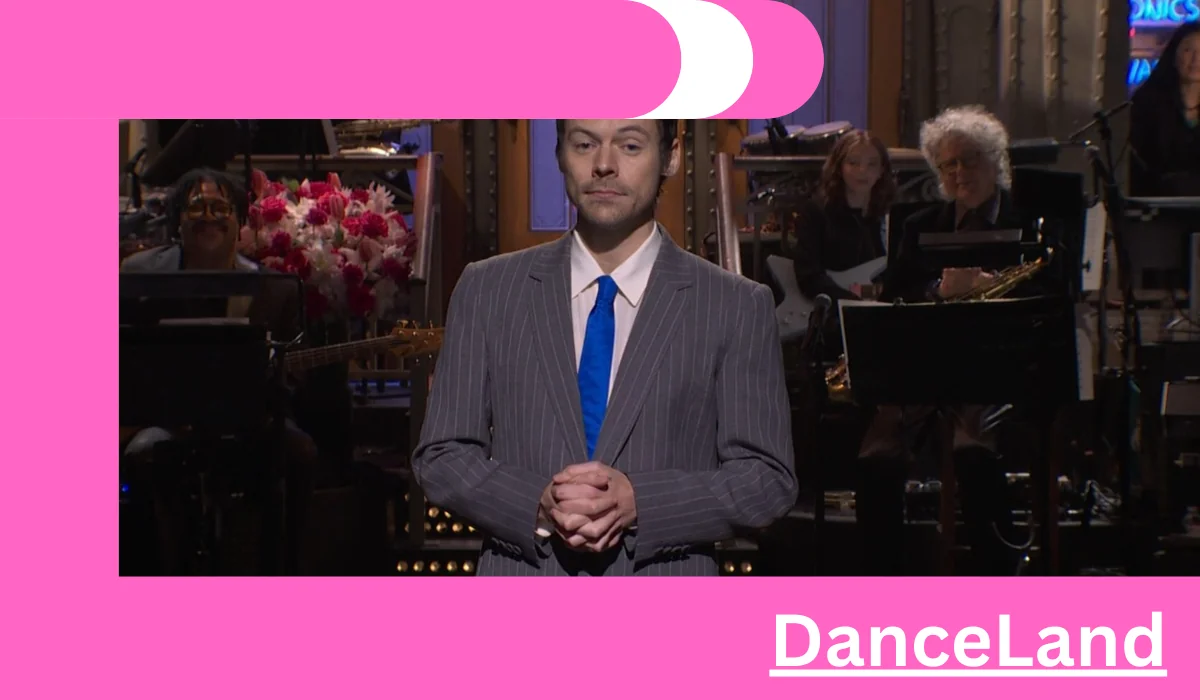
Harry Styles Responds to Queerbaiting Accusations on ‘SNL,’ Concludes Monologue with Ben Marshall Kiss: “Now That’s Queerbaiting”

Harry Styles once again found himself at the center of discussions surrounding queer representation and performative signaling when he addressed claims of queerbaiting during his recent appearance on Saturday Night Live (SNL). The pop icon, known for his flamboyant fashion choices and boundary-pushing performances, took a humorous and candid approach to the topic, culminating in an on-stage moment that blurred the lines between performance and affirmation. The finale of his monologue, featuring a kiss with comedian Ben Marshall, was intentionally labeled by Styles as “Now that’s queerbaiting,” sparking both amusement and debate among fans and critics alike.
Context of the Queerbaiting Allegations
What is Queerbaiting?
Queerbaiting refers to the practice where content creators, celebrities, or brands hint at or imply queer identity or themes without explicitly affirming them, often for commercial gain or publicity. This tactic can be controversial, as it may lead to skepticism about genuine representation and can be perceived as exploiting queer identities for entertainment value.
In Harry Styles’ case, the allegations stem from his fashion choices—such as wearing dresses and flamboyant outfits—alongside his provocative performances that challenge traditional gender norms. Critics argued that these acts seemed to serve as signals to gay audiences without confirming or identifying as queer himself, thereby sparking accusations of queerbaiting.
Styles’ Response on ‘SNL’
Addressing the Claims
During his monologue, Styles directly acknowledged the ongoing accusations. He reminisced about the mixed reactions to his fashion—a topic he has openly discussed before—and cheekily questioned whether his choices should be seen as genuine expressions or mere antics. “Back then, people seemed to pay a lot of attention to the clothes I was wearing, and some people accused me of something called queerbaiting,” he said. He then added, with a bit of playful defiance, “But did it ever occur to you that maybe you don’t know everything about me, dad?” This line underscored his stance that public perceptions often oversimplify or misinterpret his intent.
The Monologue Climax: The ‘Queerbaiting’ Smooch
The Ben Marshall Smooch
The climax of Styles’ monologue was a staged kiss with comedian Ben Marshall. The moment was framed as humorous and intentionally provocative, with Styles concluding the act by quipping, “Now that’s queerbaiting.” The joke was layered—it served as a meta-commentary on the very accusations he was addressing, while also delivering a memorable, headline-grabbing visual. The kiss was carefully choreographed, blending comedy with a subtle nod to queer expression, in keeping with Styles’ ongoing challenge to gender norms.
Public and Critical Reactions
Reactions to Styles’ on-stage moment have been mixed. Supporters viewed it as a bold statement that refuses to take queerbaiting accusations seriously, emphasizing his right to express himself authentically without conforming to labels. Others criticized it as a stunt that played into performative activism, arguing that it risks trivializing genuine queer representation. Notably, Styles’ open acknowledgment of the controversy through humor has been viewed by some as a way to reclaim agency over his image and challenge critics to confront their assumptions.
Implications for Queer Representation in Popular Culture
Harry Styles’ approach exemplifies the ongoing debate about how celebrities navigate gender and sexual identity in the public eye. His willingness to wear gender-fluid clothing and make playful gestures like the on-stage kiss challenge traditional binaries, inviting fans to rethink norms around masculinity and femininity.
However, his candid—yet humorous—acknowledgment of queerbaiting claims underscores the importance of authenticity in representation. While performers can push boundaries, it remains vital for audiences and critics to differentiate between genuine expression and performative signaling, especially in an era where social activism is increasingly scrutinized.
Conclusion
Harry Styles’ recent comments on SNL and the memorable finale that ended his monologue with a deliberately provocative smooch highlight the complex dynamics of queer representation in entertainment. By openly addressing the accusations and framing his on-stage actions as “queerbaiting,” Styles prompts a broader conversation about intention, authenticity, and the role of performers in shaping cultural norms. As discussions around gender and sexuality continue to evolve, figures like Styles exemplify how humor and self-awareness can challenge both audiences and critics to reflect more deeply on what true representation entails.
Frequently Asked Questions
1. What does it mean when someone says Harry Styles is queerbaiting?
It means that some critics believe Styles uses fashion and performance to hint at queer identity without explicitly identifying as queer himself. They argue this can be seen as exploiting queer themes for publicity or entertainment, rather than genuine representation.
2. Did Harry Styles confirm he is queer?
Styles has not publicly labeled himself as queer; he often describes his gender expression as fluid and emphasizes that he enjoys expressing himself in diverse ways. His playful gestures and statements encourage audience reflection rather than definitive labels.
3. Why did Styles choose to end his monologue with a kiss?
The kiss with Ben Marshall was a performative, humorous act that played on the theme of queer signaling. Styles later humorously referred to it as “queerbaiting,” turning the moment into a meta-commentary on the accusations and expectations around his gender expression.
4. How does this incident impact public discourse on queer representation?
It highlights the nuanced line between genuine representation and performative behavior, sparking conversations about authenticity, intent, and respectful portrayals of queer identities in media and celebrity culture.
Harry Styles’ handling of the queerbaiting controversy demonstrates a combination of humor, self-awareness, and a challenge to societal norms, underscoring the evolving landscape of gender and sexuality in popular culture.