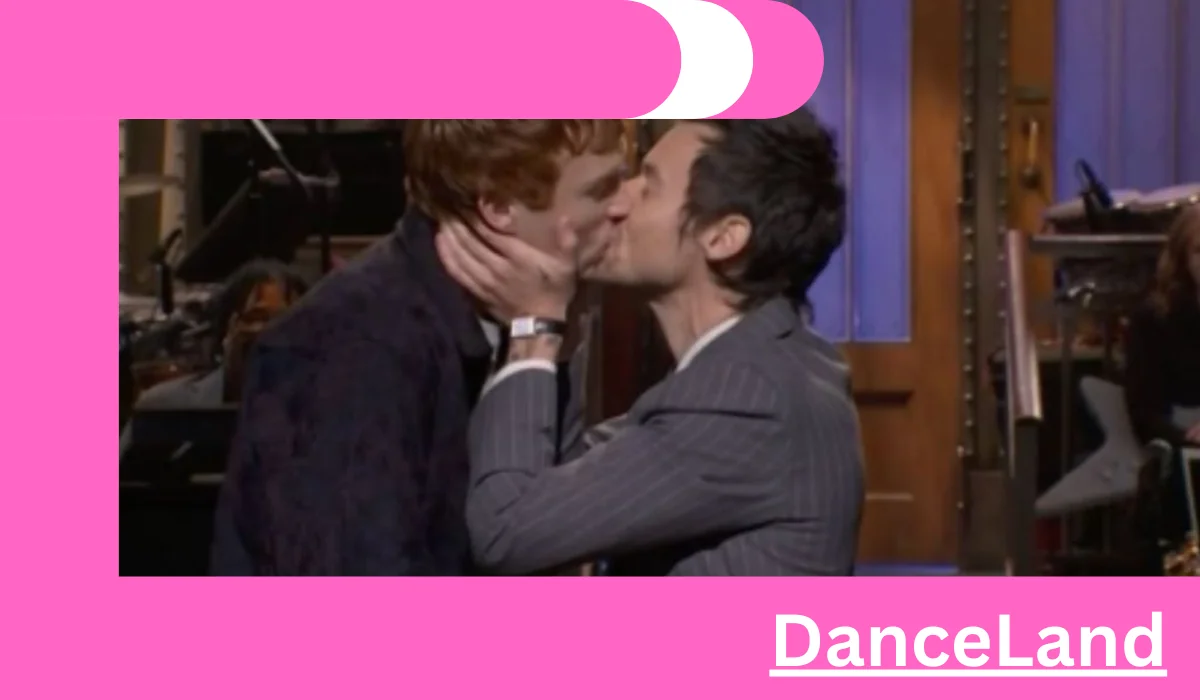
Harry Styles Discusses Queerbaiting, Kisses Ben Marshall in ‘SNL’ Monologue

Recently, Harry Styles made headlines during his appearance on Saturday Night Live (SNL) when he addressed longstanding discussions around queerbaiting—a term used to describe media that hints at LGBTQ+ themes or characters without fully committing to representation. The moment that garnered particular attention was when Styles shared a playful and provocative interaction with actor Ben Marshall, culminating in Styles leaning in for a brief kiss on stage. This incident sparked discussions across social media platforms, polarizing fans and critics alike, and reigniting conversations about the boundaries of staged performance, sexuality, and representation in pop culture.
Context of Harry Styles’ SNL Monologue
Harry Styles returned to SNL as both host and musical guest, a notable repeat that underscores his rising prominence in both music and celebrity circles. During his monologue, Styles reflected humorously on his life post-touring, joking about becoming “tremendously boring,” and hinted at the curiosity and scrutiny he faces regarding his fashion choices and personal life. This self-deprecating humor set the tone for a performance that was both entertaining and layered with subtle commentary about identity and perception.
The Queerbaiting Discourse in Harry Styles’ Career
Styles has often been at the center of debates concerning queerbaiting, with fans and media scrutinizing his style and presumed sexuality. For years, he’s been celebrated for challenging gender norms—wearing dresses, flamboyant costumes, and openly embracing diverse expressions of masculinity. Critics, however, have argued that such choices sometimes serve more to attract attention rather than promote genuine LGBTQ+ representation, fueling the “queerbaiting” accusations.
In his monologue, Styles acknowledged this discourse, mentioning how fans fixate on his fashion and personal life, which he navigates with humor. This candid acknowledgment touches on broader issues of representation, authenticity, and the performer’s agency in shaping public perception.
The Kiss with Ben Marshall: A Deliberate Performance?
The climax of the attention came when Styles, surrounded by comedic actors Chloe Fineman and Sarah Sherman, made increasingly pointed remarks about kissing, culminating in a moment where Ben Marshall appeared onstage. Styles leaned in and shared a brief kiss with Marshall, a gesture that was simultaneously playful, staged, and loaded with subtext.
Styles’ concluding quip, “Now that’s queerbaiting,” delivered with a wink, blurred the lines between performance art and genuine expression. This moment was understood as a commentary on the very accusations he faces, turning the spectacle into a layered joke that challenges viewers’ perceptions of sincerity and performativity in pop culture.
Public and Media Reactions
- Fans’ responses: Many fans viewed the moment as a bold statement, celebrating Styles’ fluid approach to sexuality and gender expression. Social media was flooded with praise from those who appreciated the humor and the subversive nature of the act.
- Critics’ perspectives: Some critics interpreted the kiss as another example of Styles’ penchant for provocative staging, emphasizing that it may be more about entertainment than activism. Others argued that such moments are valuable for normalizing LGBTQ+ expressions in mainstream entertainment.
The incident also reignited debates about the boundaries of staged performances and whether such acts contribute to or detract from genuine representation. It underscored the ongoing tension between artist expression, audience expectations, and media narratives surrounding sexuality and identity.
Broader Significance and Cultural Implications
Harry Styles’ on-stage kiss during his SNL monologue exemplifies how celebrities navigate complex conversations about sexuality and representation. It exemplifies the potential of performative acts to serve as social commentary, challenge stereotypes, or stir controversy, depending on interpretation.
While some interpret the kiss as a strategic move to reinforce his image as a gender-fluid icon, others see it as an authentic expression of his personality. Either way, it emphasizes the importance of context and perception in the digital age, where such moments quickly become viral talking points and catalysts for broader cultural conversations.
Frequently Asked Questions (FAQs)
Did Harry Styles intend to make a political statement with the kiss?
While Styles hasn’t explicitly stated that the kiss was a political statement, many interpret it as a deliberate act to challenge stereotypes and push boundaries around LGBTQ+ representation in mainstream media.
How did fans react on social media after the incident?
Response was mixed but largely supportive. Many fans praised Styles for his playful approach and for normalizing expressions of fluid sexuality. Others discussed the moment as a clever, staged critique of the queerbaiting accusations he has faced.
Is Harry Styles known for controversial moments like this?
Styles often blurs traditional gender norms in his fashion and performances, which have historically generated both admiration and controversy. The kiss at SNL is seen as a continuation of his unapologetic approach to self-expression.
How does this moment impact perceptions of queer representation in pop culture?
This incident exemplifies the ongoing dialogue about visibility, performativity, and authenticity in LGBTQ+ representation. It underscores how public figures can influence societal perceptions through their actions, intentionally or not, and provoke conversations about what true representation entails.
Conclusion
Harry Styles’ decision to share a brief kiss with Ben Marshall during his SNL monologue is more than just a staged moment; it’s a reflection of evolving conversations around gender, sexuality, and representation in entertainment. Whether seen as a clever poke at the queerbaiting discourse or an authentic display of fluid identity, the incident underscores the power of performance to stimulate dialogue and challenge societal norms. As celebrities continue to navigate the complex landscape of public image and personal expression, moments like these will likely remain focal points in cultural debates about authenticity, performativity, and inclusivity.