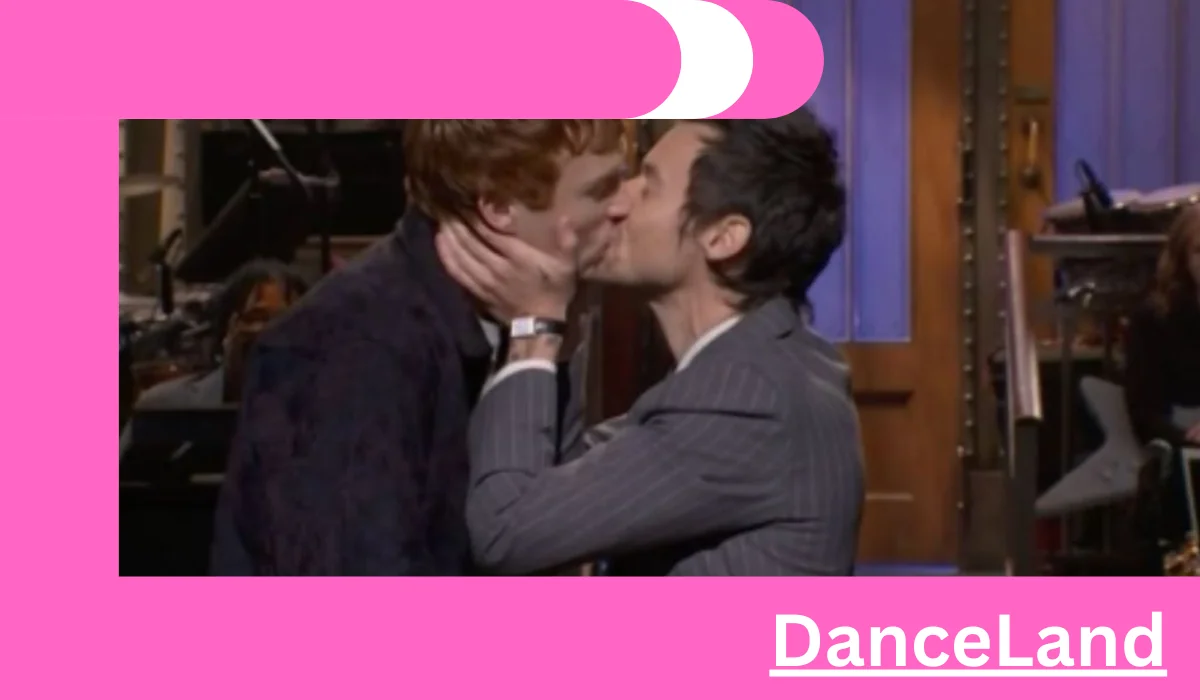
Harry Styles Discusses Queerbaiting, Kisses Ben Marshall in ‘SNL’ Monologue

Harry Styles has once again demonstrated his ability to blend humor, social commentary, and pop culture in a memorable way during his recent appearance on Saturday Night Live. The performer and actor, known for his boundary-pushing fashion and outspoken personality, took the opportunity during his monologue to address ongoing conversations around queerbaiting—an often-criticized marketing tactic that hints at LGBTQ+ themes without explicit representation. His choice to include a playful, if controversial, gesture further ignited discussions about sexuality, representation, and the performative aspects of celebrity culture.
Context of Harry Styles’ SNL Monologue
Returning to SNL as both host and musical guest for the second time, Harry Styles used his opening monologue to reflect lightly on his career pause after the end of his Love on Tour. He joked about becoming “tremendously boring,” hinting at how his personal hobbies and public image have been scrutinized, notably through the lens of his gender-fluid style choices. The monologue, which is traditionally a platform for comedians and celebrities to set the tone of the night, was laced with humor, self-awareness, and social commentary, aligning with Styles’ reputation for pushing boundaries.
Addressing Queerbaiting and Self-Expression
The Cultural Discourse
One of the pivotal points during Styles’ monologue involved acknowledging the fandom’s fixation on his clothing and personal life, often leading to accusations of queerbaiting. Styles has been at the center of this debate for years, with fans and critics questioning whether his gender-ambiguous fashion is a genuine expression or a marketing ploy. During his performance, he appeared conscious of this narrative and chose to satirize it, making the discussion part of his act rather than avoiding it.
The Kiss Episode
The most notable moment came when Styles, in a staged segment featuring fellow cast members Chloe Fineman and Sarah Sherman, engaged in increasingly exaggerated remarks about kissing. As the act reached its humorous crescendo, straightforwardly embracing the performative nature of his persona, Styles leaned in to share a brief kiss with Ben Marshall, a frequent SNL contributor. This act was not only a humorous pivot but also a deliberate nod to the ongoing dialogue about sexuality and performativity in celebrity culture.
“Now that’s queerbaiting,” Styles quipped with a wink afterward, highlighting both the absurdity and the fluidity of identity presentations in the entertainment industry. The moment was met with laughter from the audience, but it also prompted wider conversations about what authentic expression means in modern celebrity culture.
Public and Media Reactions
The episode’s bravura moment reignited debates across social media and entertainment news outlets. Some praised Styles for openly playing with notions of gender and sexuality, seeing it as a form of empowerment and visibility for LGBTQ+ fans. Others viewed it as perpetuating a sensationalized performative tactic, arguing that queerbaiting remains a controversial strategy used by entertainers to generate buzz without genuine representation.
Importantly, Styles’ comments and actions fit within a broader trend among artists who challenge traditional gender norms—using humor and staged acts to push boundaries while sparking important conversations about identity, authenticity, and representation. His acknowledgment of the performative aspect underscores how celebrity culture often blurs the lines between genuine expression and entertainment.
Additional Highlights from the Episode
- High-profile guest appearances included Ryan Gosling, who introduced Styles’ musical performances, and Paul Simon, who introduced Styles’ second song.
- Styles performed two tracks from his latest album Kiss All the Time. Disco, Occasionally, showcasing his evolving musical style.
- The episode marked Styles’ eighth appearance on SNL, with notable previous roles as a host and musical guest, reaffirming his status as both a music icon and mainstream personality.
Conclusion
Harry Styles’ monologue on Saturday Night Live serves as a notable example of how modern celebrities utilize humor and staged moments to comment on complex social issues. His playful yet pointed acknowledgment of queerbaiting, combined with the brief kiss with Ben Marshall, encapsulates a larger cultural conversation about gender fluidity, authenticity, and the performative nature of fame. Whether one views his actions as empowering or provocative, it’s clear that Styles continues to challenge traditional notions of identity and entertainment in ways that resonate with diverse audiences.
Frequently Asked Questions (FAQs)
1. What is queerbaiting, and why is it controversial?
Queerbaiting is a marketing or storytelling tactic where media hints at LGBTQ+ themes or characters to attract viewers without providing genuine representation. It is controversial because it can be seen as superficial, exploiting LGBTQ+ narratives for profit or popularity without authentic engagement, leading to criticism from advocacy groups and audiences for insincerity.
2. Why did Harry Styles’ kiss with Ben Marshall cause a fuss?
The brief kiss was staged as part of a comedic segment on SNL, but it reignited debates around sexuality and performativity in celebrity culture. Some viewed it as a playful gesture aligned with Styles’ image, while others debated whether it perpetuated queerbaiting or offered genuine representation.
3. How does Harry Styles’ approach to gender and sexuality influence his public image?
Styles’ fashion choices and public statements challenge traditional gender norms, making him a symbol of gender fluidity for many fans. His willingness to push boundaries has helped normalize diverse expressions of identity, though it also invites scrutiny and criticism from some quarters.
4. Is Harry Styles’ act on SNL typical of his public persona?
Yes. Styles has often incorporated humor, self-awareness, and boundary-pushing elements into his performances and appearances. His approach aligns with his reputation for blending pop music success with activism and social commentary.
Harry Styles’ ability to combine entertainment with social critique exemplifies a modern celebrity’s role in shaping cultural conversations around identity and acceptance. His SNL monologue will probably be remembered as a defining moment for how artists navigate authenticity and performative culture today.