Harry Styles Discusses Queerbaiting, Kisses Ben Marshall in ‘SNL’ Monologue

Harry Styles recently made headlines during his appearance on Saturday Night Live (SNL), not only for his musical talents but also for a candid moment that sparked discussions around queer representation and performative signaling in pop culture. In his monologue, Styles addressed longstanding allegations of queerbaiting—an often controversial tactic where creators and performers hint at LGBTQ+ identities primarily for commercial appeal—by incorporating humor and a playful onstage interaction that blurred traditional boundaries.
Context of Harry Styles’ SNL Monologue and Queerbaiting Discourse
Harry Styles, known both for his chart-topping music and his fashion-forward approach, has often been at the center of conversations about sexuality and gender expression. Critics and fans alike have debated whether his style and public persona are genuine expressions of identity or calculated moves intended to attract a diverse audience. This tension has fueled numerous debates around queerbaiting in the entertainment industry, where performers may employ suggestive imagery or behaviors without explicitly identifying as LGBTQ+.
During his SNL monologue, Styles directly referenced this discourse. He humorously acknowledged that fans and media had fixated heavily on his clothing choices and personal life, sometimes suspecting him of intentionally hinting at an LGBTQ+ identity for career strategies. By doing so, he openly engaged with the controversy, emphasizing the performative aspect of celebrity culture and challenging traditional notions of authenticity and narrative construction.
The Kiss: A Playful Reinterpretation of Queerbaiting
The Onstage Interaction with Ben Marshall
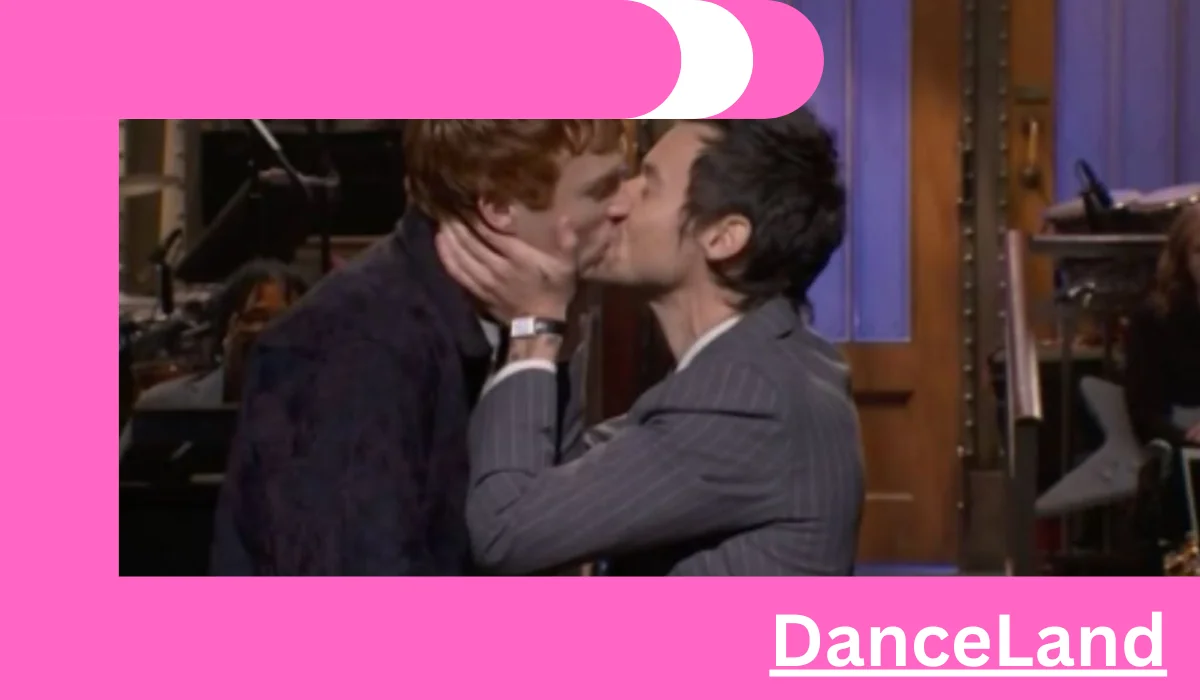
A pivotal moment in the episode was when Styles, after making a series of pointed comments, leaned in for a brief kiss with featured player Ben Marshall. This act was met with surprise and sparked social media buzz, as many viewers interpreted it as a tongue-in-cheek nod to the thin line between authentic queer representation and performative signals in mainstream entertainment.
Commentators and fans analyzed the significance of this gesture, noting that it was both playful and deliberately provocative. Styles’ approach seemed to deliberately parody the very accusations of queerbaiting, turning a potentially controversial act into a comedic punchline. The moment was further underscored when Styles cheekily declared, “Now that’s queerbaiting,” with a wink, suggesting a self-awareness about the performative nature of such gestures in celebrity culture.
Broader Cultural Implications
This interaction can be viewed as a commentary on how pop icons navigate their sexuality in a media landscape that often scrutinizes and labels their behaviors. By incorporating humor and a lighthearted kiss on live television, Styles seemed to challenge critics and audiences to reconsider the seriousness with which they interpret gender expressions and sexuality performances in the entertainment industry.
Fan and Media Reactions
The moment garnered widespread attention on social media, with some praising Styles for his playful defiance of stereotypes, while others debated whether it reinforced or undermined ongoing conversations about authentic representation. Critics of queerbaiting appreciated the self-aware humor, viewing it as a clever critique of industry tactics. Conversely, some argued that the act, even if humorous, risks perpetuating stereotypes or trivializing genuine LGBTQ+ identities.
Additional Highlights of Harry Styles’ SNL Appearance
Beyond the controversy and humor, Styles’ episode featured other notable moments:
- Celebrity Surprises: The episode included appearances by high-profile guests like Ryan Gosling and Paul Simon, emphasizing Styles’ prominence in the entertainment sphere.
- Music Performances: Styles showcased two tracks from his recent album Kiss All the Time. Disco, Occasionally, performing “Dance No More” and “Coming Up Roses,” the latter a tribute to songwriter Paul Simon’s influence on him.
- Touring and Promotional Efforts: The episode coincided with Styles’ ongoing Together, Together Tour, supporting his latest album and reinforcing his multifaceted career as both musician and cultural icon.
Understanding the Impact and Future of Queer Representation in Pop Culture
Harry Styles’ on-air antics exemplify a broader trend where celebrities use humor and ambiguity to navigate complex social conversations about sexuality and gender. The playful kiss during his SNL monologue exemplifies how performers can use satire and performative gestures to challenge stereotypes while also engaging with their fan base in a more authentic, self-aware manner.
As discussions around authentic representation and performative signaling evolve, moments like Styles’ candid and humorous interactions can serve as catalysts for more nuanced conversations. They invite audiences to think critically about the performative aspects of celebrity culture and the importance of respecting genuine identities beyond media spectacle.
Frequently Asked Questions
Did Harry Styles truly kiss Ben Marshall during SNL?
No, the kiss was brief and part of a staged, humorous moment on stage. Styles leaned in and shared a playful kiss with Ben Marshall as part of the comedic tone of the segment.
What does Harry Styles’ quip about queerbaiting mean?
He was making a joke about how his actions have been interpreted by fans and media—implying that some gestures or behaviors are perceived as deliberate attempts at signaling LGBTQ+ identities, which he then humorously acknowledged with a wink.
Is Harry Styles genuinely part of the LGBTQ+ community?
Harry Styles has expressed support and solidarity with LGBTQ+ rights and communities, but he has not publicly identified as LGBTQ+. His fashion choices and public persona are often celebrated for their gender-fluid and non-conforming qualities.
What does this moment say about LGBTQ+ representation in mainstream media?
It highlights the ongoing tension between genuine representation and performative signals, emphasizing the importance of authentic voices and experiences while also recognizing the playful, sometimes satirical ways celebrities navigate these conversations.
Harry Styles’ appearance on SNL and the memorable moment involving the brief kiss and quip reflect a nuanced intersection of entertainment, identity, and social critique. It exemplifies how celebrities can engage playfully with complex cultural issues, prompting audiences to think critically about authenticity, performance, and representation in the modern media landscape.