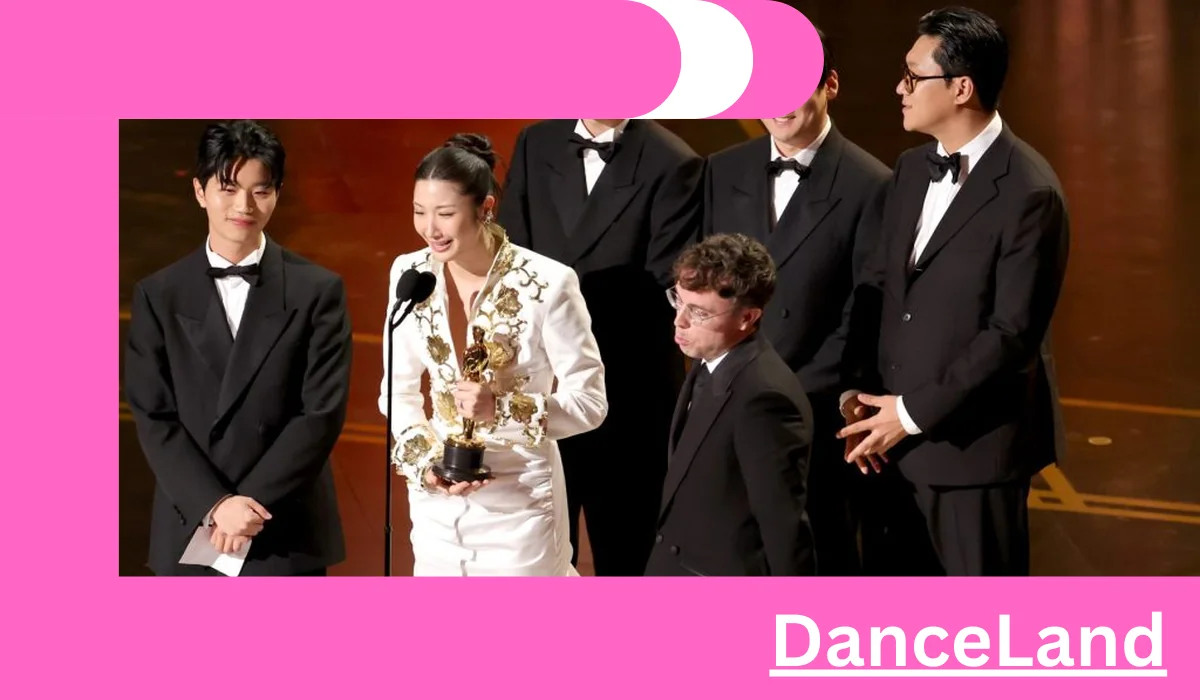
‘Golden’ from ‘KPop Demon Hunters’ Takes Best Original Song at 2026 Oscars, But Acceptance Speech Is Interrupted

At the 2026 Oscars, the Korean-inspired animated musical “KPop Demon Hunters” made history by winning the award for Best Original Song with its track “‘Golden’.” The song’s triumph was a significant milestone for both the film industry and the global music scene, particularly for the K-pop genre’s increasing recognition in mainstream cinematic awards. However, the celebration was notably marred by an abrupt interruption during the acceptance speech, prompting discussions about award show protocols and the impact of live broadcast disruptions.
‘Golden’ From ‘KPop Demon Hunters’ Clinches Best Original Song
The award for ‘Golden’ marked a series of historic achievements. Not only was it the first K-pop song to win an Oscar, but it also broke several records within the category:
- First K-pop song to ever win an Oscar for Best Original Song.
- First song with more than four credited writers to receive the award.
- First winner in this category where all writers share a single trophy due to the number of collaborators.
The song was a standout not only for its cultural significance but also for its commercial success. It spent over eight weeks at the top of the Billboard Hot 100, making it only the third song in history to achieve such longevity and then win an Oscar for Best Original Song. Previously, hits like “You Light Up My Life” by Debby Boone and Eminem’s “Lose Yourself” had achieved similar feats, but “Golden” combined international influence with the prestigious accolade, solidifying its unique place in entertainment history.
Record-Breaking facets of ‘Golden’
Additional records set by “Golden” include:
- Longest-running No. 1 hit to win an Oscar in more than 20 years.
- First song that hit No. 1 on the Billboard chart before winning an Oscar since “Lose Yourself.”
- Six of the seven credited writers are the first South Koreans to win in this category, emphasizing its international achievement.
The song was a collaborative effort by acclaimed songwriters EJAE, Joong Gyu Kwak, Yu-Han Lee, Hee Dong Nam, Jeong Hoon Seo, Teddy Park, and American composer Mark Sonnenblick. EJAE, one of the group’s vocalists, highlighted themes of resilience and pride in her acceptance speech, which resonated deeply with audiences worldwide.
The Eventful Acceptance Speech and Its Unexpected Ending
During the Oscars ceremony, EJAE took the stage to deliver a heartfelt speech, expressing gratitude toward her team, family, and the filmmakers behind “KPop Demon Hunters.” She emphasized the importance of resilience, especially for her as an artist who faced skepticism growing up in her native South Korea. Her words encouraged a broader dialogue about perseverance in the face of adversity and the global reach of Korean pop culture.
However, moments into her speech, as she was acknowledging her collaborators and sharing personal stories, an unforeseen technical disruption occurred. When fellow songwriter Yu-Han Lee attempted to add his thank-yous from backstage, the music suddenly blared loudly, drowning out his voice and signaling the ceremony to cut to commercial break abruptly.
This interruption was confirmed to be a result of strict Oscar policies concerning the presentation of awards for songs with multiple collaborators. The Academy’s rules stipulate that if a song has more than four credited writers, they must agree to share a single trophy, and the award presentation is often managed under tight broadcast protocols. Unfortunately, these regulations can sometimes lead to live-moment disruptions, as seen in this instance.
Rules and Protocols Impacting the Award Presentation
The Oscar rulebook explicitly states that no more than four trophies are awarded in the Best Original Song category unless all credited writers agree to a shared accolade—a condition that “Golden” fulfilled with seven writers. When such a project wins, the ceremony’s production team must carefully manage the presentation to adhere to Academy guidelines, sometimes resulting in live audio cut-offs or quick transitions, especially in high-stakes categories.
The decision to cut the speech short, while understandable within the framework of broadcast regulations, sparked reactions from viewers and fans worldwide who felt the moment was prematurely truncated, depriving the winners of the applause and recognition they deserved.
Broader Implications and Audience Reaction
The interruption of EJAE’s speech ignited discussions on social media and entertainment forums about live broadcast professionalism and the pressure of maintaining a strict ceremony schedule. Many viewers expressed empathy, praising the winners’ achievements while criticizing the rigid adherence to protocol that sacrificed a memorable, emotionally charged moment.
Several industry analysts noted that such live broadcast interruptions have become a recurring dilemma in award shows, where balancing protocol, entertainment value, and audience engagement proves challenging. The incident at the 2026 Oscars is viewed as a reminder of the complexities involved in live event broadcasting and the impact of regulations on performers’ ability to publicly express their gratitude.
Concluding Remarks
The victory of “‘Golden’ from ‘KPop Demon Hunters’” at the 2026 Oscars solidified K-pop’s global influence, marking a historic achievement that highlights the genre’s artistic versatility and cultural significance. Despite the abrupt ending of the acceptance speech—a moment that could have become iconic—the song’s win remains a testament to the rising prominence of international and collaborative music in Hollywood’s most prestigious awards.
This incident also underscores ongoing conversations about the need for more flexible broadcast protocols, especially for moments of genuine emotion and cultural importance. As the entertainment industry continues to evolve, balancing regulations with authentic celebration will be paramount in ensuring that future winners receive the recognition they rightfully deserve.
FAQ
Why was EJAE’s speech cut short at the 2026 Oscars?
The speech was cut short due to strict Academy rules regarding award presentation for categories with multiple credited writers. When a song with more than four co-writers wins, the ceremony adheres to protocols that sometimes result in live audio cut-offs or quick transitions to manage broadcast timing and trophy allocation.
What records did ‘Golden’ set at the Oscars?
- First K-pop song to win an Oscar for Best Original Song.
- Third song with more than four writers to win in this category.
- Longest Billboard No. 1 to win an Oscar in over 20 years.
- First song with an all-Asian (South Korean) credited writing team to win.
What is the significance of this win for K-pop and international music?
This victory signifies a major breakthrough for K-pop and international artists, showcasing their increasing influence and recognition in global entertainment institutions. It paves the way for more diverse representation in major awards and highlights the importance of cross-cultural musical collaborations.
Will the rules for award presentation change in the future?
While there are ongoing discussions within the Academy about broadcast flexibility and inclusivity, any formal changes to presentation rules would involve careful review by the respective committees. The incident at the 2026 Oscars may accelerate considerations for more accommodating protocols in future ceremonies.
Despite the disruption, the historic win for “Golden” stands as a milestone, reflecting the global nature of today’s music and entertainment industries. Recognizing the importance of live moments, industry stakeholders continue to seek a balance that honors both protocol and heartfelt celebration.