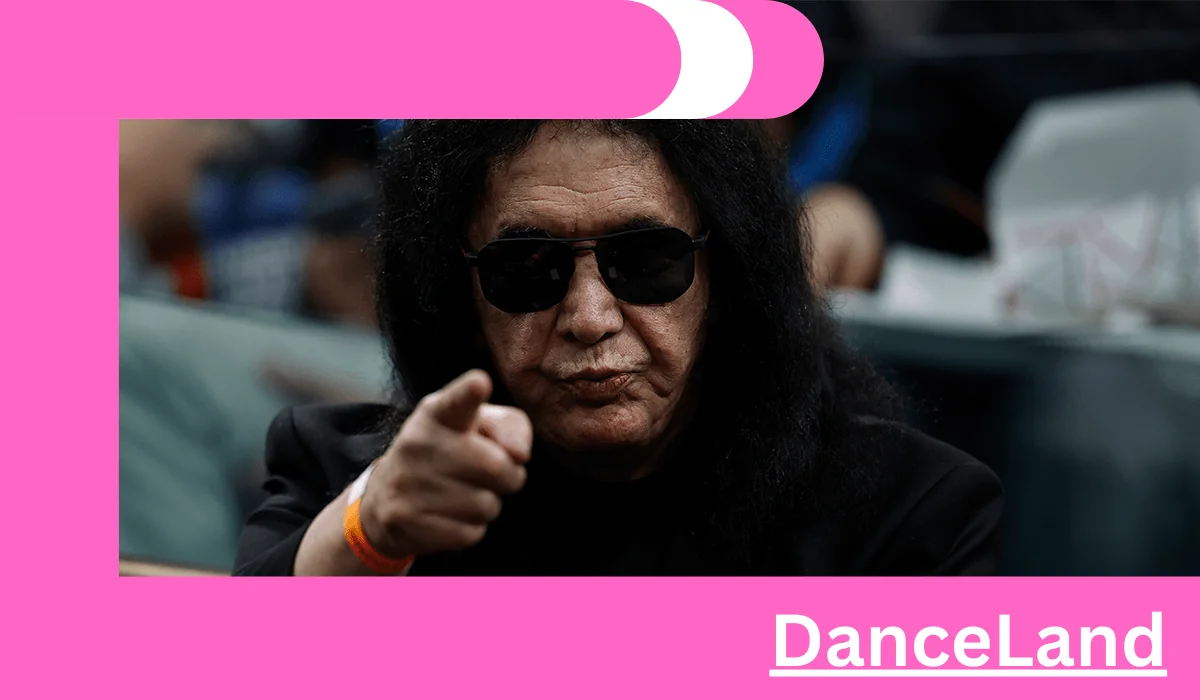

Gene Simmons, the iconic frontman of the rock band KISS, has long been known for his outspoken personality and candid opinions on a variety of issues. Recently, he made headlines with a bold statement suggesting that celebrities should “shut the F*** up” about politics. This controversial viewpoint touches on a broader debate about the role of public figures in political discourse and the impact of celebrity opinions on society.
Context Behind Gene Simmons’ Statement
During an interview with TMZ, Simmons was asked about celebrities who openly criticize political figures, such as Donald Trump. He responded sarcastically, asserting that actors and comedians are “so qualified” to speak on politics, a claim he quickly contradicted by emphasizing that they should instead focus on their art and stay out of political debates. Simmons’s main argument was that celebrity opinions often do more harm than good, and that the public would be better served if influential figures concentrated on their crafts rather than political commentary.
Specifically, Simmons said, “Basically, shut the f*** up. Do your art and shut up. Nobody’s interested in their opinions. That includes me, who I vote for, who I like. Who the fuck do you think you are?” This blunt statement underscores his view that celebrities lack the expertise or authority to comment meaningfully on complex political issues.
The Broader Debate: Should Celebrities Speak Out?
Arguments Supporting Simmons’s Perspective
- Lack of Expertise: Many critics argue that celebrities are not trained in political science or policy, and their opinions may be uninformed or superficial.
- Divisiveness: Some believe that celebrity political commentary can contribute to societal polarization, especially when stars use their platforms to endorse or oppose specific policies or politicians.
- Artistic Focus: Advocates for Simmons’s stance contend that celebrities’ primary responsibility is their craft, and their voices are most impactful when they focus on their art rather than politics.
Arguments Against Simmons’s Viewpoint
- Free Speech: Celebrity opinions are protected under free speech rights, and suppressing them could be seen as censorship.
- Influence and Responsibility: Given their large platforms, celebrities can raise awareness on important issues, mobilize public opinion, and contribute positively to societal debates.
- Historical Impact: Several stars have historically used their influence to advocate for civil rights, environmental issues, and social justice, leading to tangible change.
Celebrity Political Activism: Examples and Impact
While Simmons advocates for celebrities to remain silent on politics, many others argue that public figures have a duty to speak out. For instance, Billie Eilish’s speech at the 2026 Grammys criticizing ICE and immigration policies sparked widespread discussion and demonstrated how celebrity activism can shine a light on critical issues.
Similarly, actors like Mark Ruffalo have used their fame to advocate for causes such as climate change and social justice, emphasizing that celebrity voices can contribute meaningfully when used responsibly.
However, critics argue that such outspoken activism can sometimes alienate fans or lead to political polarization, raising the question of whether celebrity opinions do more harm or good.
Impact of Celebrity Opinions on Public Discourse
Celebrity involvement in politics can influence public perception, shape policy debates, and inspire civic engagement. Conversely, it can also deepen divides, especially if stars endorse extreme or polarizing positions. Simmons’s call for celebrities to “shut the F*** up” reflects a desire for greater restraint and focus within the entertainment industry, suggesting that the public might prefer their artists to stick to entertainment rather than politics.
Ultimately, the debate hinges on balancing freedom of expression with social responsibility, and whether celebrities have an obligation to engage or remain silent in the political arena.
Conclusion
Gene Simmons’s stance that celebrities should “shut the F*** up” about politics encapsulates a growing sentiment among some segments of the public who favor a more reserved approach to celebrity engagement in societal issues. While there are valid concerns about the influence and expertise of celebrities in political debates, their voices have historically played significant roles in shaping public discourse. Whether Simmons’s call for silence will resonate broadly remains to be seen, but it undeniably adds to an ongoing conversation about the boundaries of celebrity influence and the responsibilities that come with fame.
FAQs
1. Do celebrities have a duty to speak out on political issues?
There is no obligation for celebrities to engage in politics. However, given their large platforms, many believe they have a social responsibility to raise awareness and advocate for causes they believe in.
2. Can celebrity opinions influence public policy?
While individual opinions rarely directly shape policy, celebrities can influence public opinion, mobilize voters, and bring attention to important issues, which can, in turn, impact political processes.
3. Does celebrity activism help or hinder social causes?
It depends. When done thoughtfully, celebrity activism can amplify important messages. However, it can also oversimplify complex issues or polarize audiences, which might hinder progress.