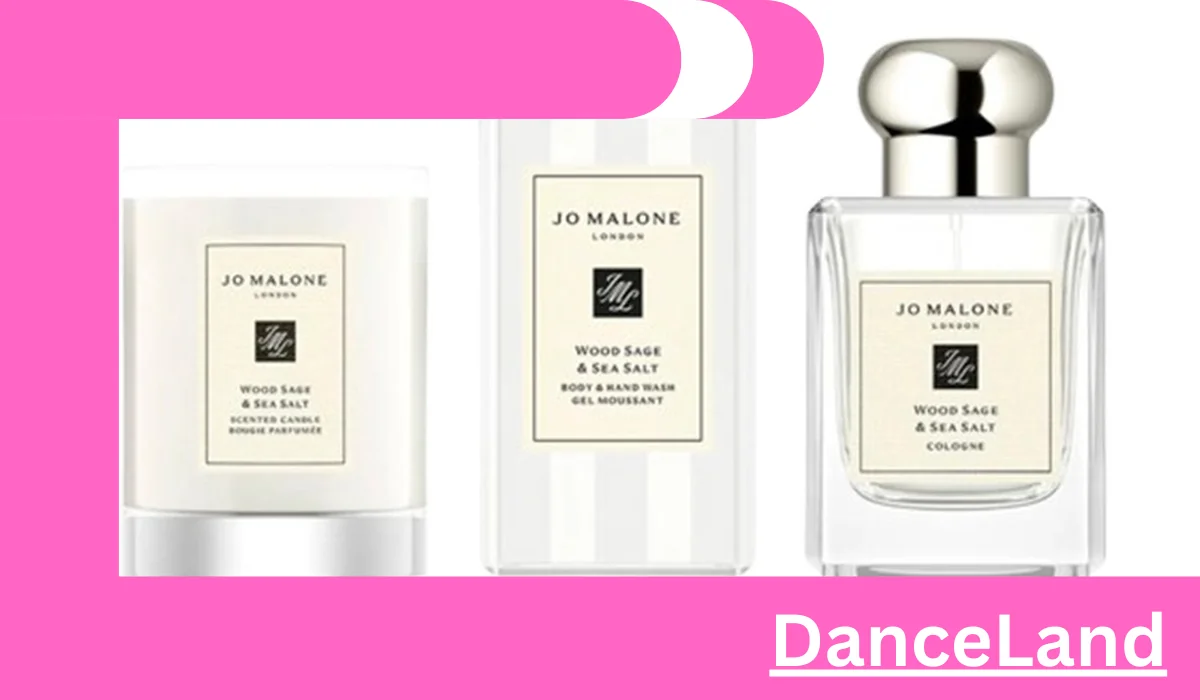
Estée Lauder Files Lawsuit Against Jo Malone in U.K. for Trademark Violation and Contract Breach

Recently, a significant legal dispute has emerged within the luxury fragrance and beauty industry, centering around the esteemed Estée Lauder Companies and the renowned perfumer Jo Malone. The crux of the matter lies in allegations of trademark infringement, breach of contract, and passing off, with Estée Lauder taking decisive action to protect its brand integrity in the United Kingdom. This legal confrontation underscores the importance of intellectual property rights and contractual obligations in the highly competitive and brand-sensitive fragrance sector.
Background of the Dispute
Estée Lauder, which acquired the Jo Malone brand in 1999, has long established itself as a global leader in luxury cosmetics and fragrances. Over the decades, the company has invested heavily in building the brand’s reputation and distinctive identity, making it an iconic name recognized worldwide.
Jo Malone, the founder of the original brand, sold her fragrance business to Estée Lauder in the late 1990s and left the company in 2006. After a non-compete clause expired, Malone launched her own line, Jo Loves, in 2011, which operates independently and continues to develop its niche market.
However, recent developments have highlighted tensions between Malone and her former corporate affiliate. Estée Lauder alleges that Malone’s recent commercial ventures and use of the “Jo Malone” name unjustly infringe on its registered trademarks and violate contractual agreements. This legal move aims to safeguard the brand’s unique market position and protect against consumer confusion.
Core Allegations and Legal Claims
Trademark Infringement and Passing Off
Estée Lauder claims that Jo Malone’s current activities—particularly the use of the “Jo Malone” name—are causing confusion among consumers, potentially diluting the brand’s distinct identity. Trademark infringement occurs when a party uses a mark that is similar or identical to a registered trademark in a way that may mislead consumers into believing there is an association or endorsement that does not exist. The company argues that Malone’s recent branding efforts and product offerings breach these rights.
The passing off claim complements this, asserting that Malone’s use of the name deceptively suggests an official association with Estée Lauder’s Jo Malone London brand, thereby unfairly benefiting from its established reputation.
Breach of Contract
Central to the dispute is the contractual agreement established at the time of the original sale. When Jo Malone sold her fragrance business to Estée Lauder, she was bound by contractual clauses that included restrictions on her future use of the “Jo Malone” name—specifically in marketing and branding of fragrance products.
Estée Lauder contends that Malone’s recent ventures and marketing initiatives go beyond the permissible scope outlined in the original agreement. These alleged breaches threaten the integrity of the brand and violate the terms Malone previously agreed to uphold.
Implications for the Industry and Legal Protections
This case highlights how crucial it is for companies to enforce intellectual property rights and contractual terms diligently. In the luxury industry where brand perception is paramount, any perceived infringement can lead to lengthy and costly legal confrontations. Brands must carefully draft agreements to define the scope of rights and usage to avoid potential disputes.
The situation also sheds light on the importance of protecting trademarks through registration and vigilant monitoring of the marketplace. Infringements, whether intentional or accidental, can undermine years of brand building, making legal recourse necessary to maintain differentiation and consumer trust.
Potential Outcomes and Industry Impact
- Estée Lauder may seek injunctions to prevent Malone from further using the “Jo Malone” name, alongside damages for any past infringements.
- The case could set precedent regarding contractual restrictions placed on brand founders and their subsequent ventures, especially in cases of non-compete clauses and use of trademarks.
- It may also prompt other major brands to review and reinforce their intellectual property enforcement strategies.
While the legal proceedings are ongoing, this dispute serves as a reminder of the delicate balance between entrepreneurial freedom and respecting prior agreements within the luxury and beauty industries. Such cases often influence how brands approach licensing, brand management, and enforcement of legal rights in the future.
Frequently Asked Questions
What are the typical legal grounds for a trademark infringement claim?
Legal grounds for trademark infringement generally involve the unauthorized use of a registered mark in a manner that causes confusion among consumers, dilutes the brand’s distinctiveness, or suggests an affiliation that does not exist. The affected party must prove prior rights and that the infringing use is likely to mislead the public.
Could Jo Malone legally use her name in her new ventures?
Yes, provided she adheres to any contractual restrictions arising from her previous sale of the brand. If her previous agreement limited her use of the “Jo Malone” name in certain contexts, she could be liable for breach if she violates those terms. Otherwise, she generally has the right to operate under her own name unless specific restrictions apply.
What are the broader industry implications of this legal case?
This case underscores the importance of clear contractual clauses and trademark protections. It may influence how companies draft non-compete agreements and enforce trademark rights, especially when founders launch new brands or ventures related to their previous work.
Conclusion
The legal actions taken by Estée Lauder against Jo Malone in the U.K. for trademark infringement, breach of contract, and passing off exemplify the complexities involved in managing legacy brands and intellectual property rights. Protecting brand integrity remains a critical concern for companies operating in the luxury sector, where consumer perception directly impacts value. As this case unfolds, it will likely influence industry practices concerning licensing, brand extensions, and legal safeguards. For brands and entrepreneurs alike, it emphasizes the necessity of robust agreements and vigilant enforcement to preserve brand equity in an increasingly competitive marketplace.