Don Lemon Released After Federal Arrest — Vows to Fight Charges in Press Freedom Flashpoint

Former CNN anchor and independent journalist Don Lemon left federal custody in Los Angeles on Friday after authorities arrested him for his reporting on a controversial protest at a Minnesota church earlier this month. The high-profile case has sparked a fierce national debate over civil rights, press freedom, and the limits of federal law enforcement powers.
Don Lemon, 59, faced arrest by federal agents on Thursday while he covered the Grammy Awards in Los Angeles, his attorney said. Prosecutors indicted him and three others — independent journalist Georgia Fort and activists Trahern Jeen Crews and Jamael Lydell Lundy — on federal civil rights charges related to a January 18 protest inside Cities Church in St. Paul, Minnesota.
Demonstrators opposed to U.S. immigration enforcement entered the church during a service, targeting the congregation because one of its pastors also served in a local Immigration and Customs Enforcement (ICE) office. Authorities claim the group, with Lemon present, disrupted worship services and violated the religious rights of those attending.
Prosecutors charged Don Lemon under two federal statutes: conspiracy to deprive rights under color of law and the Freedom of Access to Clinic Entrances (FACE) Act, a 1994 law that protects access to reproductive health services and places of worship from obstruction and intimidation.
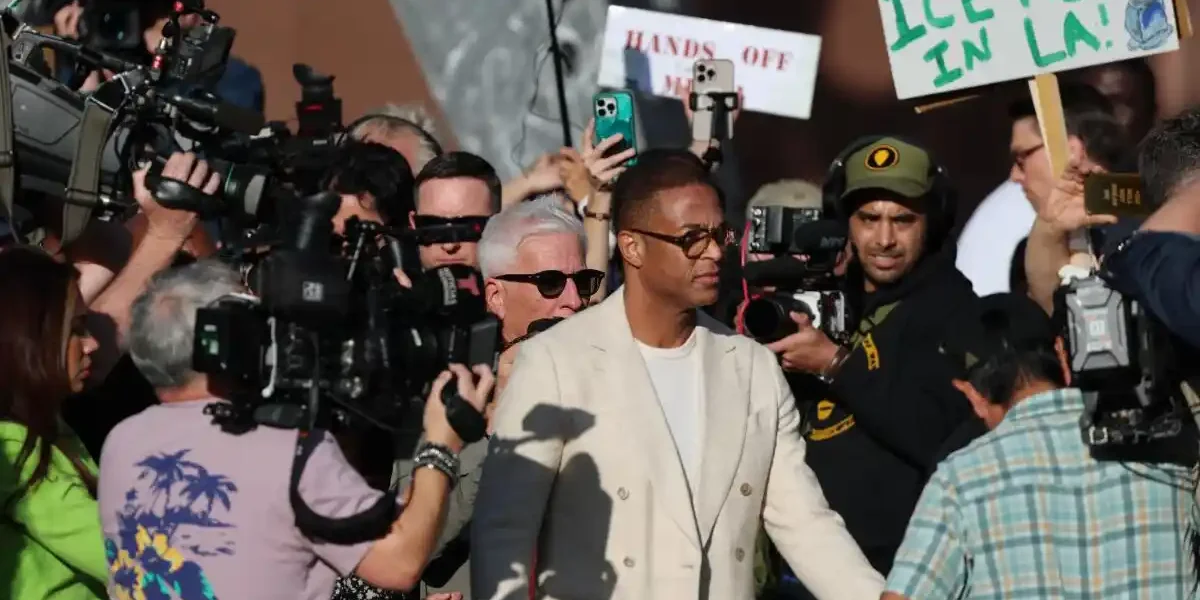
At his first court appearance on Friday, a federal judge released Lemon on his own recognizance, so he did not have to post bail. The court barred him from contacting known victims or witnesses and required him to seek permission for most international travel, except for a pre-planned trip to France in June. His next hearing, scheduled for February 9 in Minnesota, will address the main proceedings related to the church protest.
Outside the courthouse, Lemon spoke defiantly to reporters. He said, “I will not be silenced” and vowed to continue his journalistic work despite the charges. He emphasized that he attended the protest solely as a journalist documenting events, not as a participant.
Legal and First Amendment Concerns
Don Lemon’s arrest and federal indictment have alarmed press freedom advocates, constitutional scholars, and civil liberties organizations. Critics argue that charging a journalist for covering a protest threatens First Amendment rights and could create a dangerous precedent for reporters covering contentious events.
Legal experts noted that a federal magistrate judge previously declined to approve an arrest warrant for Lemon and the others, citing insufficient evidence. Prosecutors then secured a grand jury indictment, which led to the arrests this week.
Organizations such as the National Press Club and the Freedom of the Press Foundation condemned the arrests as government overreach. They stressed that journalists must report on protests and public demonstrations without fearing criminal charges.
Figures across the political spectrum voiced opinions. Some Democratic lawmakers and free-speech advocates called the arrests an attack on press freedom and an attempt to intimidate journalists reporting on sensitive issues. Others, particularly critics of the protest, said law enforcement acted to protect places of worship and the rights of congregants.
A Divisive National Debate
The arrest has fueled broader cultural and political debates in the United States. Supporters of Lemon argue that the case highlights growing hostility toward journalists and dissenting voices. They warn that using the FACE Act and civil rights laws against members of the press could discourage journalists from covering protests or government controversies.
Critics counter that the charges do not target Don Lemon’s journalism itself but concern actions that may have crossed legal boundaries, including interfering with a religious service and violating worshippers’ rights. They argue that freedom of the press does not shield journalists from prosecution for unlawful conduct while reporting.
Social media platforms and online forums have erupted with discussion, with thousands debating the case’s merits, journalists’ role in protests, and the balance between civil liberties and public order. The story became one of the most talked-about news topics on social platforms Friday.
Looking Ahead
Don Lemon’s defense team plans to vigorously contest the charges in court. Minnesota proceedings will likely examine whether his actions qualify as protected journalistic activity or crossed into illegal conduct under federal law.
For now, the case remains a flashpoint in national discussions about press freedom, civil rights enforcement, and lawful protest. Media and public scrutiny will likely intensify in the coming weeks.