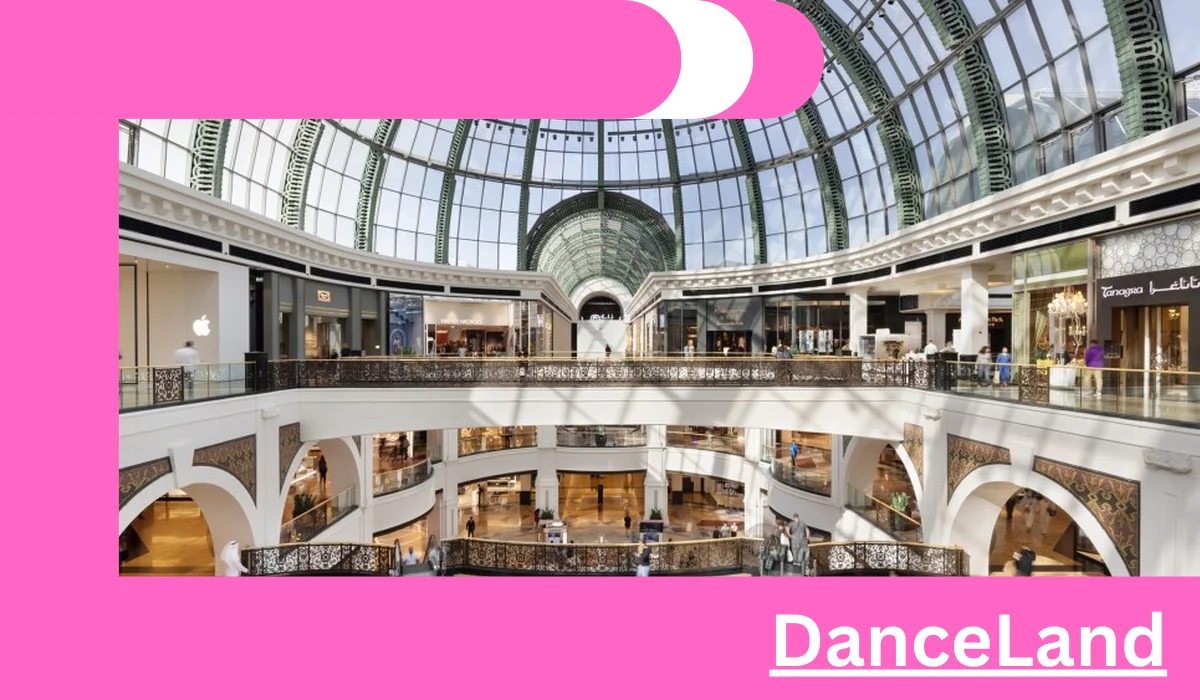
Bernstein Estimates Middle East Conflict Will Cut Luxury Sales in Half in March

Recent geopolitical tensions in the Middle East have cast a shadow over the luxury retail landscape in the region, with notable estimates suggesting that the ongoing conflict could lead to a significant decline in regional sales. According to Bernstein’s latest analysis, the war in the Middle East is projected to halve luxury’s regional sales in March, signaling a potential setback for brands that have been steadily expanding in this lucrative market. This development underscores the complex interplay between geopolitical events and high-end consumer spending, which is traditionally sensitive to regional stability and security concerns.
Impact of the Middle East War on Luxury Retail
Regional Sales Forecasts and Sector Dynamics
Bernstein’s report highlights that the Middle East has become a vital region for the global luxury sector. Prior to the conflict, the region contributed approximately 6 percent of the world’s luxury sales, with some of the largest houses reaching into high single digits due to their concentration of high-net-worth clients. During fiscal 2025, the Middle East was the fastest-growing geography, expanding organically between 6 percent and 8 percent amid a generally flat sector. However, the outbreak of war has abruptly halted this momentum.
Specifically, Bernstein estimates that luxury sales in the Middle East will decrease by about 50 percent in March. This stark projection reflects the collapse of tourist traffic, which has historically been a major driver of luxury retail in the region. Even though some markets like Saudi Arabia and Turkey have remained relatively resilient, the overall picture shows a sharp downturn, particularly in smaller Gulf states like Bahrain, Qatar, and Kuwait, where store operations and foot traffic have been most severely disrupted.
Factors Contributing to the Sales Decline
Tourist Traffic and Consumer Behavior
A key factor underpinning the decline is the significant drop in tourist arrivals. In the UAE, which accounts for over half of the luxury store footprint in the Middle East, the tourist demographic—comprising roughly one-third of the boutique visitors—has effectively vanished due to the conflict and related security concerns. Despite stores remaining open, the absence of tourists, especially from Europe, North America, and Asia, greatly reduces sales potential.
- Pre-war: Boutique traffic was roughly a third tourists, a third locals, and a third expatriates.
- Current: Tourist presence has plummeted, directly impacting the luxury retail ecosystem.
Furthermore, airport retail revenue—accounting for about 9 percent of the regional luxury sales—has suffered from the decline in international travel. Dubai International, historically a hub for luxury shopping, has reopened stores but faces a slow recovery in passenger volumes, limiting sales recovery prospects in the near term.
Security Risks and Infrastructure Damage
The conflict has inflicted physical damage on infrastructure and heightened security risks, especially in the UAE. Reports indicate that debris from intercepted missiles has caused damage in Dubai and Abu Dhabi, including around key hotspots like Palm Jumeirah and the Burj Al Arab. While many boutiques remain operational, the overall atmosphere of instability discourages high-end shopping, particularly among international visitors who are more sensitive to regional conflicts.
Secondary Effects on the Luxury Sector
Travel and Spending Patterns
The war’s impact extends beyond immediate sales figures, influencing broader consumer behavior. Bernstein emphasizes that approximately 30 percent of global luxury sales occur during travel. With Gulf nationals having become the third-largest spenders in tax-free shops globally by 2024—up from eighth in 2019—the decline in tourist activity sharply reduces luxury consumption in key European and American markets.
The ongoing conflict exacerbates existing headwinds like a weaker dollar deterring American tourists and inflationary pressures impacting discretionary spending. As a result, the *travel multiplier* effect is diminishing, leading to a more cautious outlook for luxury brands’ global recovery in the coming months.
Market Outlook and Sector Resilience
Short-term Outlook
Bernstein estimates that regional luxury sales will plummet by approximately 50 percent in March, primarily due to the collapse of tourist traffic and the geopolitical uncertainties. This translates into a roughly 100-basis-point headwind to the first quarter of 2026 results, a figure largely factored into luxury stocks after the sector-wide sell-off that began in late February.
Medium to Long-term Considerations
Despite these setbacks, some markets like Saudi Arabia and Turkey are expected to maintain resilience in the near term. The Kingdom’s rising prominence, supported by Vision 2030 initiatives and new luxury openings planned by global brands, suggests structural growth potential independent of immediate regional conflicts.
Long-term observers note that the conflict might accelerate the shift toward Saudi Arabia’s centrality in regional luxury markets, a trend already underway prior to the war. The country’s sizable investments, domestic consumption initiatives, and continued luxury ecosystem development highlight this possibility.
Conclusion
The war in the Middle East has introduced unprecedented challenges for luxury brands operating in the region. Bernstein’s estimates of a 50 percent decline in March sales serve as a stark reminder of how geopolitical instability can quickly undermine economic momentum. While some markets display resilience and adaptation, the overall outlook for luxury sales in the Middle East remains cautious until regional security and travel flows improve. For luxury companies, monitoring daily developments and adjusting strategies accordingly will be crucial in navigating this turbulent period.
FAQ
How much did the Middle East contribute to global luxury sales before the conflict?
Approximately 6 percent of global luxury sales, with some major houses contributing higher proportions due to their high-net-worth clients in the region.
What are the main reasons for the decline in luxury retail sales during the war?
- Collapse of tourist traffic, especially from Europe and North America
- Security concerns and infrastructure damages
- Reduced international travel and airport retail activity
Will the luxury sector recover quickly once the conflict ends?
Recovery depends on regional stability, reopening of borders, and return of tourist flows. While some markets like Saudi Arabia are positioned for resilience, broader recovery will take time and may be delayed by lingering security concerns and economic uncertainties.
Ultimately, the ongoing conflict underscores the importance for luxury brands to diversify their markets and enhance their focus on domestic and regional consumers to buffer against geopolitical disruptions.