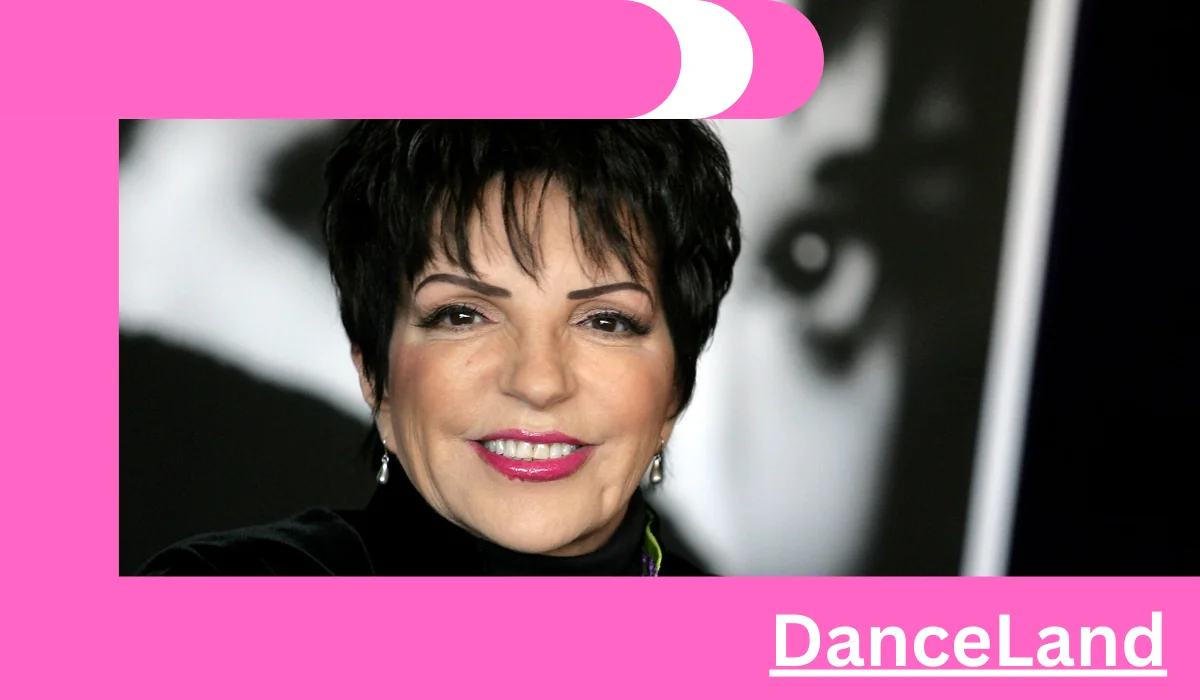
At Liza Minnelli’s Book Event, the Narrative on Stage Differed from the One in the Book

At a recent Liza Minnelli book event promoting her memoir Kids, Wait Till You Hear This!, attendees anticipated an intimate glimpse into the life and legacy of one of Broadway and Hollywood’s most iconic performers. As a celebrated legend, Minnelli’s appearances are often marked by grandeur, emotive performances, and reflective storytelling. However, this particular night presented a complex narrative—one where the story onstage diverged markedly from the narrative found within her book. Exploring the discrepancies between Minnelli’s onstage persona and the memoir’s account reveals much about the realities of aging, memory, and the constructed nature of celebrity storytelling.
The Setting and Expectations
The event took place inside the historic Million Dollar Theater in downtown Los Angeles—a venue with deep Hollywood roots and personal significance for Minnelli, whose mother, Judy Garland, once graced its stage. The evening’s program was crafted to celebrate Minnelli’s life, blending theatrical spectacle with storytelling. Attendees paid $90 per ticket, which included a copy of her memoir, setting high expectations for an evening that promised reflection, music, and revelations from the legendary entertainer herself.
The Dramatic Onstage Presentation
The event began with a theatrical flourish. A full production involving dancers inspired by Fosse’s choreography unfolded, climaxing with a majorette performing flaming baton tricks before the star herself was revealed—seated in a director’s chair, as an icon unveiling. This grand image was designed to evoke Hollywood’s golden age, positioning Minnelli as a timeless, commanding presence. Yet, the moment also subtly foreshadowed the emotional and physical fragility that would soon become evident.
The Reality of Minnelli’s Onstage Engagement
Struggles with Communication and Memory
As Minnelli took the stage, it became clear that her physical condition was markedly different from her former self. Her speech was halting, often fragmented, and she struggled to articulate thoughts coherently. When asked about her legacy, she simply answered “No,” then later reflected, “I listen to the words, the story”—a fleeting glimpse of her still-present instinct but overshadowed by evident challenges.
- Answers came in fragments or single words.
- Her responses lacked the usual narrative clarity and depth expected from her public appearances.
- Her physical presence appeared fragile, with moments of evident fatigue.
Music and Performance Failures
The pinnacle of the night was supposed to be Minnelli singing “Love is Here to Stay,” a standard well associated with her musical persona. However, her difficulty recalling the lyrics during performance starkly contrasted with her on-screen vibrancy in classic footage from Cabaret and Liza with a Z. That performance devolved from confident to hesitant, emphasizing the gap between the legendary performer and her current physical limitations.
Social media clips captured the moment, showing Minnelli struggling with the song’s lyrics—an unforgettable, if unintended, reminder of her diminished performance capabilities.
The Contradiction Between Book and Onstage Narrative
The Memoir’s Idealized Version
Within her memoir, Minnelli recounts her rise to stardom with playful pride—winning a Tony at 19, her celebrated collaborations, and familial reflections. The audiobook version, in particular, presents her as articulate, controlled, and introspective. It offers a polished, coherent narrative that traces her life’s highlights with precision. This constructed narration aligns with her legendary persona, offering fans an idealized version of her story.
The Onstage Reality
In stark contrast, her live appearance revealed a diminished Self—struggling to recall details, respond on command, or perform musically at her previous standard. The discrepancy raises questions about the reliability of her personal recollections versus her physical capacity at this stage in life. It also underscores how memoirs often serve as curated narratives—crafted from memory, edited for coherence, and sometimes filtered through personal perception.
- The audiobook’s polished narration vs. her disjointed live responses.
- Her onstage fragility vs. the image of a vibrant performer in her recordings and videos.
- The staged spectacle vs. the raw human reality of aging and illness.
The Broader Implications
This divergence between the story in the book and what played out on stage highlights broader themes in celebrity culture and personal storytelling:
- **Constructed Memories:** Personal recollections—especially those recounted in memoirs—are inherently subjective and prone to embellishment or selective recall, especially with aging or health issues.
- **Media Mediation:** The use of editing, vocal processing, and pre-recorded excerpts can create an idealized version of a performance or story, which may not align with real-time experiences.
- **The Reality of Aging Legends:** Even icons of glamour and vitality face the human condition, and their performances may no longer mirror their former selves, leading to stark contrasts that challenge fans’ perceptions.
Conclusion
At the Liza Minnelli book event, the story onstage didn’t match the one in the book, illustrating a poignant truth about celebrity narratives: they are often curated, edited, and sometimes idealized. The physical realities of aging can bring the lived experience into sharper relief, revealing the gap between legend and human being. While the evening may have exposed Minnelli’s current limitations, it also offered a raw, unvarnished glimpse into the complex layers behind her storied life. Such moments remind us that even icons are human, embodying both their legacy and their vulnerability—a duality that continues to shape the narrative of a truly remarkable life.
Frequently Asked Questions
Did Liza Minnelli perform any songs at the event?
She attempted to sing “Love is Here to Stay,” but struggled to recall the lyrics, which resulted in a hesitant performance that was markedly different from her energetic prime.
How did her physical condition affect her participation?
Her physical fragility was apparent, with halting speech, fatigue, and difficulty in maintaining coherence, which contrasted with her legendary vitality in her recorded performances.
Is the memoir a reliable account of her life?
Memoirs often reflect personal perspective and curated memories. While Minnelli’s book provides an idealized narrative, her live presentation revealed a different, more vulnerable reality.
What does this event tell us about aging celebrities?
It highlights the human side of aging icons, reminding us that their legacies are layered with both their achievements and their human vulnerabilities, which can be both inspiring and sobering.