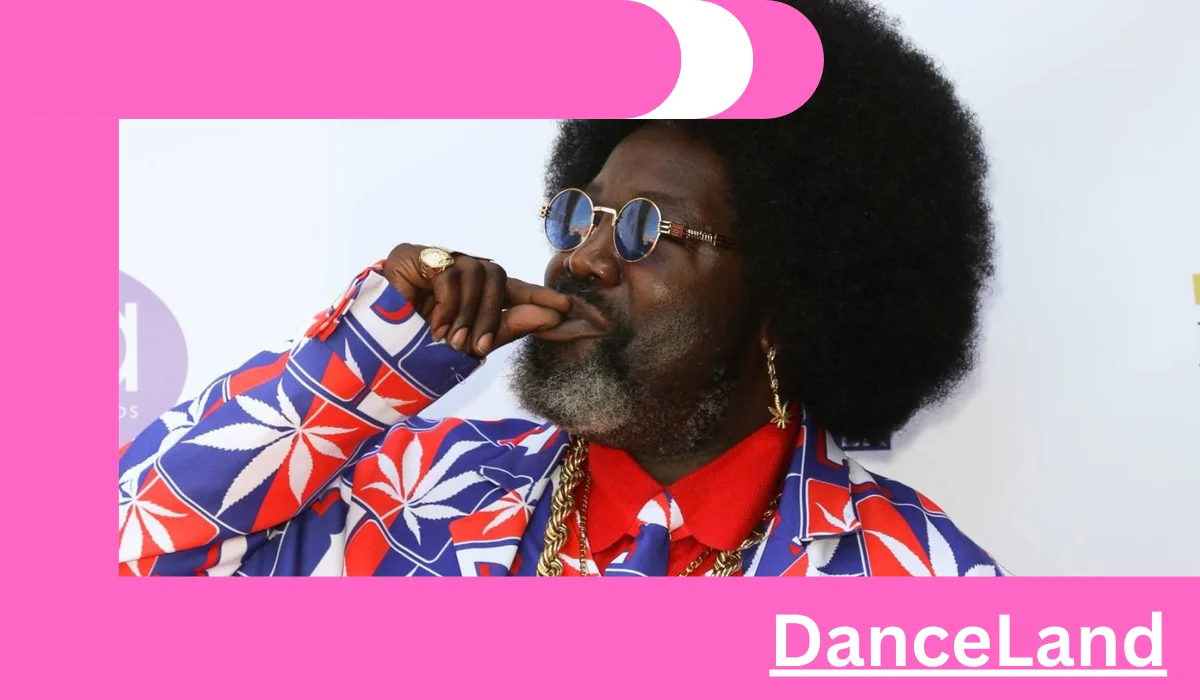
Afroman Prevails in Bizarre ‘Lemond Pound Cake’ Lawsuit Brought by Police

In a noteworthy legal victory, Afroman has successfully triumphed in the highly publicized ‘Lemond Pound Cake’ trial, a case that garnered attention for its unusual circumstances and implications for free speech and artistic expression. The case originated from a peculiar legal skirmish initiated by police officers who took issue with a series of videos and social media posts created by the rapper, Joseph Foreman, known professionally as Afroman. This victory underscores the complex intersection of law, privacy, and creative freedom in the digital age.
Background: The ‘Lemond Pound Cake’ Incident
The controversy began in the summer of 2022 when law enforcement officers raided Afroman’s residence in Adams County, Ohio, under suspicion of drug trafficking and kidnapping. However, the raid, which involved police breaking down his door and ransacking his home, resulted in no charges; no drugs or signs of criminal activity were found. The incident was widely criticized for its heavy-handed approach and subsequent mishandling.
Following this event, Afroman responded by turning the footage of the botched raid into a series of music videos, notably including “Lemon Pound Cake,” where he satirized the officers involved. One scene depicted an officer, gun in hand, inspecting a lemon pound cake on the kitchen counter—an image that quickly went viral and became emblematic of the artist’s satirical style.
The Lawsuit: Claims and Allegations
In the wake of these videos and social media posts, seven police officers filed a civil lawsuit against Afroman, claiming invasion of privacy and unauthorized use of their likenesses. They argued that Foreman used their faces without consent, which violated Ohio law against misuse of personal images. They also contended that the videos caused them emotional distress, embarrassment, and reputational harm.
- Accusations of invasion of privacy for featuring officers’ likenesses without permission.
- Claims of emotional distress, ridicule, and damage to their reputation.
- Allegations of threats and ridicule, including humorous references like mailing pound cakes to officers’ workplaces.
The plaintiffs portrayed the videos as malicious and intrusive, arguing that Foreman’s satire crossed legal boundaries and sought financial damages totaling $3.9 million.
The Trial and Court Proceedings
The trial, which lasted three days, focused on whether Afroman’s actions were protected by free speech rights and artistic expression. Foreman maintained that his videos were a form of protected satire and commentary, particularly given the context of a police raid that he described as a mistake.
During the proceedings, evidence presented highlighted that Foreman’s social media annotations and videos included humorous and critical takes on law enforcement’s conduct. His attorney emphasized that the artist’s work was a critical response to police misconduct, protected under First Amendment rights.
The court also examined the legal nuances of using law enforcement officers’ likenesses for satire and artistic expression, a key point in First Amendment jurisprudence.
The Verdict: Awin for Artistic Freedom
On March 18, 2026, the jury rendered a decisive verdict in favor of Afroman. The panel dismissed the claims of invasion of privacy and emotional distress, ruling that the videos and social media content constituted protected speech under the First Amendment. The court found that Foreman’s content was a form of parody and artistic critique, not intended to maliciously harm or invade privacy.
Following the decision, Afroman shared a celebratory video on social media, including the judge’s reading of the verdict — a sign of his victory and affirmation of his right to artistic expression.
“In all circumstances, the jury finds in favor of the defendant,”
from the judge’s reading in court, as posted by Afroman.
Significance and Broader Implications
This case has broader implications for artists, performers, and content creators navigating the legal system. It emphasizes that satire, parody, and critical commentary—especially when rooted in public interest or misconduct—are protected under free speech laws. The ruling supports the notion that law enforcement officers cannot easily silence critical artistic expression by using privacy claims as a shield.
The involvement of the American Civil Liberties Union (ACLU) of Ohio, which supported Afroman with an amicus brief, highlights the broader legal debates over First Amendment protections in the digital era. The case serves as a reminder of the importance of defending creative rights amid legal challenges driven by public figures or institutions seeking to curb dissent.
FAQs
What was the main reason police officers sued Afroman?
The officers sued claiming invasion of privacy for using their likenesses without consent and alleged emotional distress caused by the videos and social media posts.
Why did the court rule in favor of Afroman?
The court concluded that the videos were protected satire and artistic expression under the First Amendment, especially given the context of police misconduct and the public interest involved.
What does this verdict mean for future artists and content creators?
It affirms that satire and parody, particularly critiques of public officials or misconduct, are protected forms of free speech, discouraging frivolous lawsuits aimed at silencing dissent through privacy claims.
Could the officers still pursue legal action in the future?
While this case was resolved in favor of Afroman, future legal challenges depend on specific circumstances, including how content is created and whether it crosses legal boundaries.
Conclusion
The successful defense of Afroman in the ‘Lemond Pound Cake’ trial stands as a significant affirmation for artistic freedom and free speech. It highlights the importance of protecting satire and critique against attempts to suppress them through legal means. As digital and social media continue to evolve as platforms for expression, this case exemplifies the ongoing legal battles over the boundaries of parody, privacy, and public accountability.