A Cultural Convergence: From Classical Ballet Masterpieces to the Enduring Legacy of Pop Royalty

The European cultural calendar is heating up with a series of high-profile performances ranging from the precision of classical ballet to the enduring legacy of 1980s pop royalty. Whether on the prestigious stages of Italy or through the lens of a career-spanning world tour, these artists are proving that technical mastery and emotional storytelling remain the bedrock of the performing arts.
International Virtuosity Takes Center Stage in Brindisi
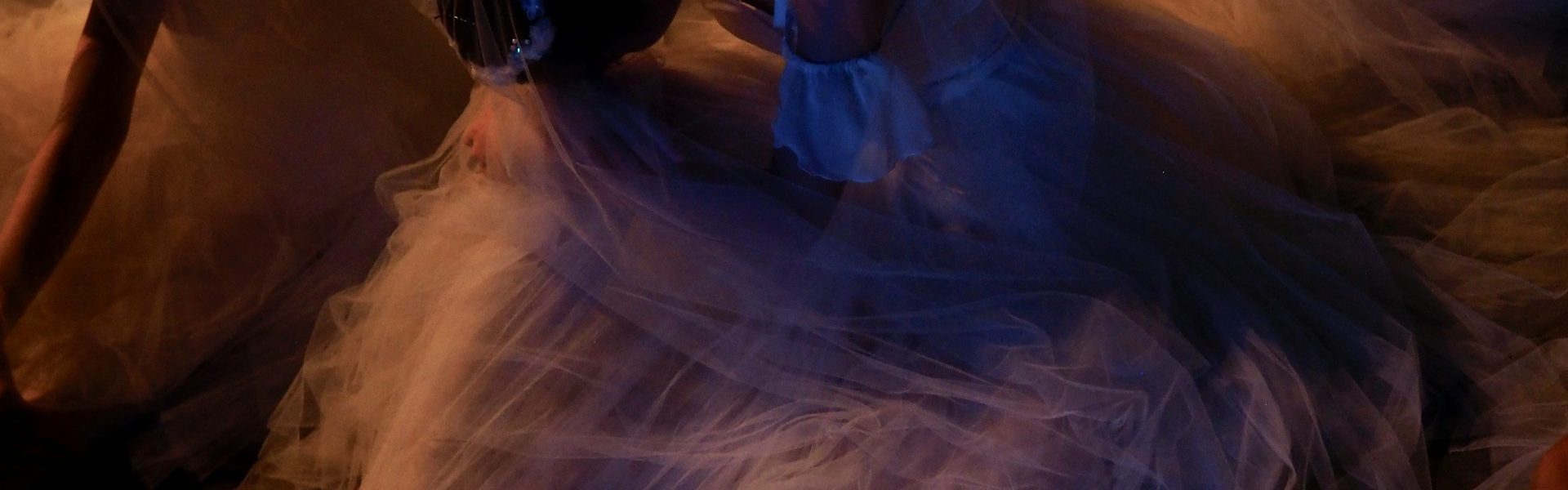
The International Ballet Company Messapica, based in Mesagne, is set to bring a vibrant production of the classical masterpiece “Don Quixote” to the Teatro Impero in Brindisi. Scheduled for March 19, 2026, at 8:30 PM, the performance promises a display of world-class skill and dramatic passion. Under the choreographic direction of Valentin Bartes, assisted by Tatiana Anton, the production features a truly global cast.
Audiences can expect to see standout soloists from major European institutions, including Gustavo Ferreira and Cecilia Bassetto of the Romanian National Opera in Timișoara, alongside Artem Zhusov from Ukraine and Gabriele De Fazio from the “Oleg Danovski” National Opera and Ballet Theater. The ensemble is further bolstered by Emanuele Frigo of the Belgrade National Theater and Mihai Constantinescu of Omnia Ballet Romania. To ensure the visual spectacle matches the technical talent, the costumes have been sourced from Japan’s renowned Atelier Yoshino, a name synonymous with elegance in the dance world. Adding a layer of theatrical depth, actors Emmanuele Perrucci and Giuseppe Nacci will also join the production. Tickets are available for a flat rate of 15 euros at the Café del Teatro, offering an accessible entry point for what is expected to be a major cultural draw.
A Masterclass in Romanticism at Teatro Alfieri
While Brindisi prepares for “Don Quixote,” the city of Asti is gearing up for another cornerstone of the repertoire. On Saturday, January 3, the Russian Classical Ballet will take over the Teatro Alfieri with a production of “Swan Lake.” This two-act performance, set to Tchaikovsky’s immortal score, is directed by Evgeniya Bespalova and features the classic choreography of Marius Petipa.
Beyond its status as an 18th-century icon, “Swan Lake” serves as a demanding test for any soloist. Production representatives emphasize that the dual roles of the White Swan and the Black Swan require more than just technical precision; they demand a high degree of dramatic range to portray the struggle between purity and darkness. From the technical peaks of the “Grand pas de deux” to the iconic “Dance of the Little Swans,” the production continues to captivate audiences by leaning into the timeless themes of betrayal and the eventual triumph of good over evil.
Tony Hadley: 45 Years of Staying True
This same dedication to artistic integrity is echoed in the career of Tony Hadley. Forty-five years after his debut, the former Spandau Ballet frontman remains one of the most distinctive voices in British music. Known for a tone that blends operatic power with a certain grit, Hadley has successfully navigated the shift from the New Romantic movement to a solo career that spans electronic music, funky grooves, and epic pop.
His current celebratory tour, “Tony Hadley 45,” looks back at a legacy that includes era-defining hits like “True” and “Gold.” Reflecting on his roots, Hadley points to the influence of American classics. Growing up, the sounds of Frank Sinatra, Tony Bennett, and Nina Simone filled his home, teaching him the value of interpretive singing. This appreciation for the “natural” voice has allowed him to transition seamlessly into his recent swing-heavy album, “The Mood I’m In,” which he describes as a sincere tribute to his musical foundations.
Navigating the Digital Shift and the Legacy of the 80s
Despite the success of his early years, Hadley is candid about the challenges facing the modern music industry. He views the current era of “overproduction” with a skeptical eye, noting that while digital platforms provide global reach, the rapid-fire release of tracks often results in a loss of depth and artistic identity. He recalls the 1980s as a time when every release felt like a major event and every artist, from Duran Duran to the Human League, possessed a clearly defined style.
For Hadley, songs like “Through the Barricades”—inspired by the conflict in Northern Ireland—have taken on a life of their own, evolving from specific political commentaries into universal anthems of hope. His journey from the minimalist electronic sounds of “To Cut a Long Story Short” to the lush, orchestral arrangements of “True” reflects a career-long commitment to exploration. As he moves forward, Hadley remains focused on the emotional connection with his audience, treating each performance as a shared history that continues to evolve.