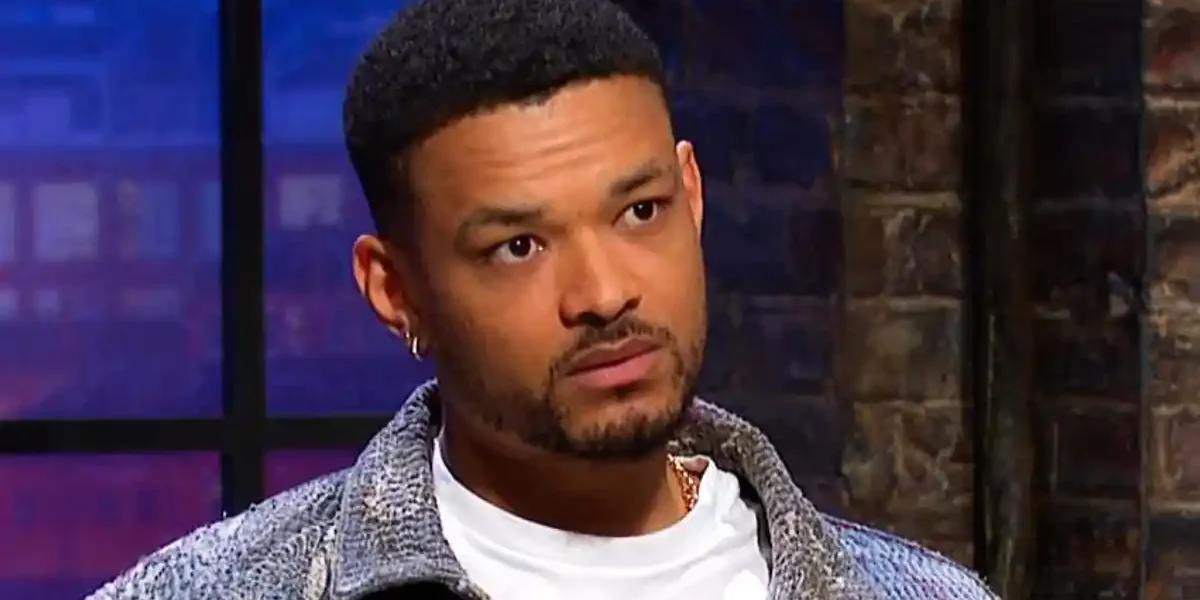
Controversy Escalates Around Steven Bartlett’s ‘Diary of a CEO’ Podcast Amid Renewed Backlash and Public Debate

London, UK — A fresh wave of criticism has swept across British entrepreneur Steven Bartlett’s famed podcast The Diary of a CEO, sparking intense debate over its direction, content, and influence. Once celebrated for its business insights and motivational interviews, the podcast — now one of the most-listened shows globally — has become a lightning rod for controversy over its treatment of sensitive cultural and health topics.
The latest uproar was reignited this week after content creators and celebrities publicly called out the show for hosting discussions they describe as veering into “manosphere-like” territory and amplifying questionable viewpoints without sufficient challenge.
Podcasters Vicky Pattison and Angela Scanlon expressed disappointment with Bartlett’s approach during an episode of their own show on 22 January, criticizing both the language and framing used in recent Diary of a CEO episodes. Pattison said parts of the conversation “felt very misogynistic” and lacked accountability, while Scanlon questioned why certain solutions, such as education and empowerment, were never foregrounded.
“It felt like we were entertaining ideas that shouldn’t even be circulating unchallenged in 2026,” Scanlon said. “There was zero accountability.”
From Business Wisdom to Cultural Flashpoints
The Diary of a CEO launched in 2017 as a business-focused podcast, spotlighting entrepreneurial journeys and mindset strategies that resonated with young professionals and creators around the world. Its success has been undeniable: it recently surpassed one billion listens and views across major platforms, and has tens of millions of followers on YouTube alone.
But in recent years, the format has broadened well beyond business and self-improvement. Episodes exploring gender dynamics, mental health, societal trends, and wellness culture have attracted both wider audiences and deeper scrutiny. Critics argue that some of these interviews lack rigorous moderation, allowing guest speakers to advance contentious theories with minimal pushback.
A resurfaced episode featuring a psychologist discussing involuntary celibacy (“incel”) and societal intervention in partner-matching sparked particular ire online. Content creator Shabaz Ali joked that the show might as well be renamed “Therapy for Men, sponsored by Women Ruin Society,” highlighting how some listeners feel the podcast has shifted into problematic territory.
Health Misinformation Concerns and Investigation
The podcast’s legitimacy as a forum for public learning was further challenged by a major investigation which found episodes touching on health and medical topics contained numerous potentially harmful claims. According to the analysis, Diary of a CEO episodes featuring health experts averaged dozens of statements that conflict with established scientific evidence — including unfounded dietary cures for serious conditions and questionable positions on vaccines — raising alarms from medical professionals.
Experts said such content could undermine evidence-based medicine, steering listeners away from conventional treatments that have been rigorously studied and proven. “They are way overstretching,” said one public health authority, emphasizing the potential real-world harm of unchallenged assertions.
Steven Bartlett’s production company defended the podcast format, describing it as “open-minded, long-form conversation” where guests share diverse viewpoints. A spokesperson said that Bartlett does not necessarily endorse every opinion expressed, and that diversity of perspective is a deliberate part of the show’s mission.
Defending Influence — and the Limits of Host Responsibility
Steven Bartlett himself has not publicly responded with a detailed rebuttal but his representatives reaffirm that Diary of a CEO continues to feature guests spanning the political and cultural spectrum — from world leaders to business experts and niche commentators alike. They argue that inviting a guest is an act of inquiry, not endorsement.
Industry observers note that Diary of a CEO sits at the intersection of media, entrepreneurship, and personal branding — a space where content creators often walk a fine line between platforming diverse voices and amplifying controversial ones without adequate context.
Despite critique, the podcast’s audience remains substantial, with millions tuning in for long-form interviews that explore personal struggles, success stories, and cultural trends. Some supporters say the show’s strength lies in its openness, allowing listeners to hear a wide range of perspectives and make up their own minds.
Public Reaction and Cultural Implications
Social media reactions reflect the deep divide surrounding the show’s content. While loyal fans laud Steven Bartlett’s influence and innovative format, detractors argue that great reach carries great responsibility — especially when conversations touch on health, gender, or societal issues.
The debate raises broader questions about the role of influential podcasters in shaping public discourse, the ethical limits of platforming controversial ideas, and the responsibilities of hosts to challenge misinformation. As Diary of a CEO continues to generate significant engagement — both positive and critical — the conversation around its cultural impact shows no signs of slowing.