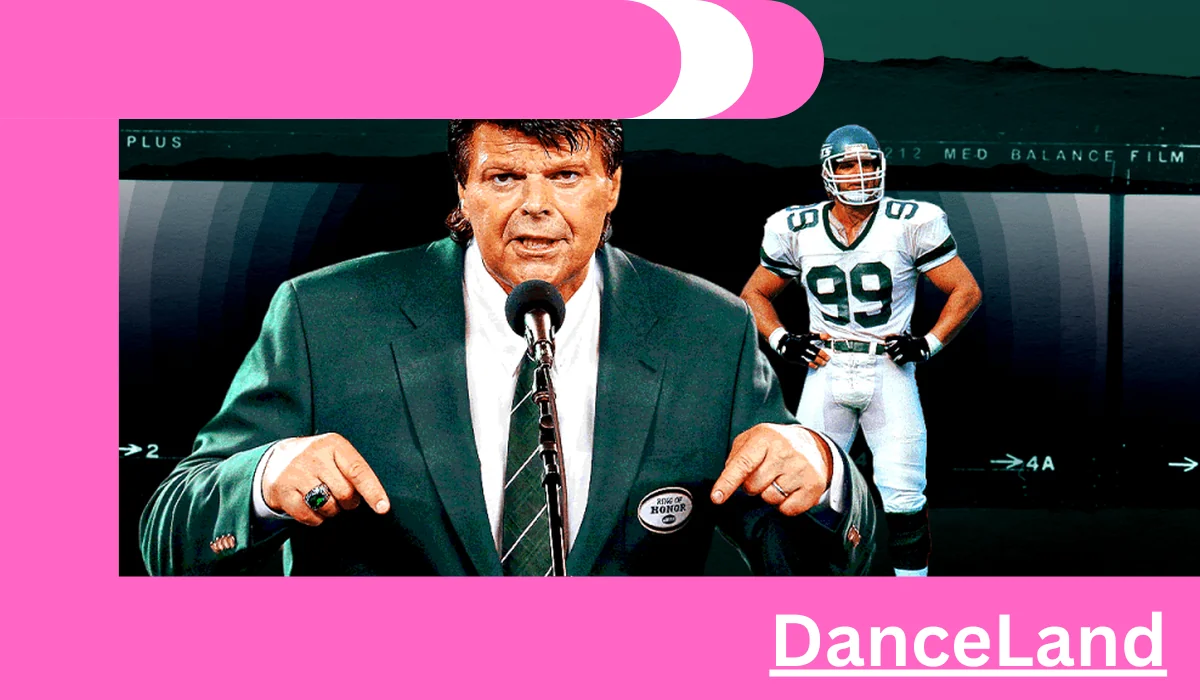

Gastineau’s $100M ESPN ’30 for 30’ Suit Fails Due to Newsworthiness
Recently, retired NFL star Mark Gastineau found himself embroiled in a high-profile legal battle that culminated in a court ruling dismissing his $100 million lawsuit against ESPN and associated parties. The case centered around the use of a video clip depicting Gastineau’s emotional confrontation with Brett Favre in a documentary about the New York Sack Exchange. The court’s decision highlights a critical intersection between intellectual property rights, free speech, and the concept of newsworthiness, illustrating why Gastineau’s legal effort ultimately failed.
The Background of the Lawsuit
Elements of the Dispute
Gastineau filed a lawsuit claiming that ESPN, NFL Films, and others violated his rights by using a video of him speaking publicly at a memorabilia show. He argued that they lacked authorization and sought damages claiming breach of contract, misappropriation of his name and likeness, and violation of his NIL rights.
The lawsuit was triggered after ESPN aired the “30 for 30” episode that chronicled the history of the Jets’ renowned defensive line, the New York Sack Exchange, in 1980s NFL. It included footage of Gastineau confronting Favre, where Gastineau expressed hurt and anger over what he believed was Favre taking a dive during a game to break Gastineau’s single-season sack record.
Gastineau claimed he never granted permission for his video or portrayal to be used in this context, making the case seem straightforward: he wanted control over his NIL and the use of his image.
The Court’s Reasoning and Key Findings
Absence of Contractual Control
One of the primary reasons for the lawsuit’s failure was the court’s determination that Gastineau lacked the contractual authority to veto or control how ESPN used the footage. His original agreement to appear in the documentary did not include provisions granting him editorial oversight or veto power over content. Instead, the contract explicitly gave NFL Productions the right to modify or use his likeness and material as they saw fit. This profoundly limited his legal claims of unauthorized use.
Newsworthiness as an Exception
The most significant factor leading to the case’s dismissal was the concept of newsworthiness. Courts have long recognized that material of public interest—especially involving prominent figures and matters of current or historical significance—can be legally used without violating NIL rights, thanks to the First Amendment’s protections of free speech and press.
In this case, the court emphasized that Gastineau’s confrontation with Favre was undeniably newsworthy, given the participants’ celebrity status and the incident’s relevance to NFL history. The exchange touched on a “venerated NFL record,” which elevated its importance beyond a mere personal quarrel to a matter of public interest.
Judge Paul A. Engelmayer explicitly stated that even though the incident might seem overly dramatic or trivial, it qualified as newsworthy content due to its context, participants’ recognition, and impact on the broader narrative of NFL history.
Implications of the Court’s Ruling
Impact on NIL Rights and News Media
This case reinforces that for athletes and celebrities, the scope of their NIL rights is limited when it comes to content of public interest. Rights to control using one’s name, image, or likeness do not extend as far as one might assume, especially when the material is deemed newsworthy.
The ruling underscores that media outlets, documentary filmmakers, and news organizations have a broad license—bolstered by First Amendment protections—to include material involving public figures on matters of significant public concern.
This capability allows journalists and content creators to delve into stories—whether controversial, emotional, or seemingly minor—and include relevant footage without legal repercussions, provided they meet the threshold of newsworthiness.
Lessons for Athletes and Celebrities
- **Public conduct and statements matter:** Even emotional outbursts or seemingly trivial incidents involving famous individuals can be deemed newsworthy, influencing legal outcomes.
- **Contracts matter:** Clear contractual provisions regarding content control and veto rights are essential if individuals want to retain oversight over their portrayal in media.
- **Free speech and journalism protections:** The First Amendment provides strong protections for content that involves matters of public interest, limiting NIL rights assertions in such contexts.
Conclusion
The dismissal of Gastineau’s $100 million ESPN ’30 for 30’ suit exemplifies the delicate balance between individual rights and public interest. While athletes and celebrities may seek to control their image and narrative, the law recognizes that content involving public figures, especially relating to prominent moments or records, often falls within protected journalistic and creative expression. This ruling serves as a reminder that once in the spotlight, the narrative about one’s life and achievements becomes part of the broader public discourse—a domain where newsworthiness can outweigh personal rights.
Frequently Asked Questions
Can athletes prevent the use of their NIL in documentaries?
Generally, only if they hold contractual rights that specifically grant veto power or control. Absent such clauses, content deemed newsworthy or related to matters of public interest is typically protected under the First Amendment.
What is the significance of newsworthiness in NIL disputes?
It acts as an exception allowing media and content creators to use material involving public figures without infringing on NIL rights, especially when the subject matter pertains to significant public interest, history, or current events.
Does this case mean athletes have less control over their image?
Not necessarily, but it highlights the importance of clear legal agreements. It also reaffirms that public interest content enjoys strong legal protections, which can limit an individual’s ability to restrict its use.
Understanding these legal nuances is crucial for athletes, media creators, and legal professionals navigating the complex world of NIL rights and media law.