Labrinth Criticizes Music Industry in Recent Post: ‘Being Fake Isn’t a Smart Business Strategy’

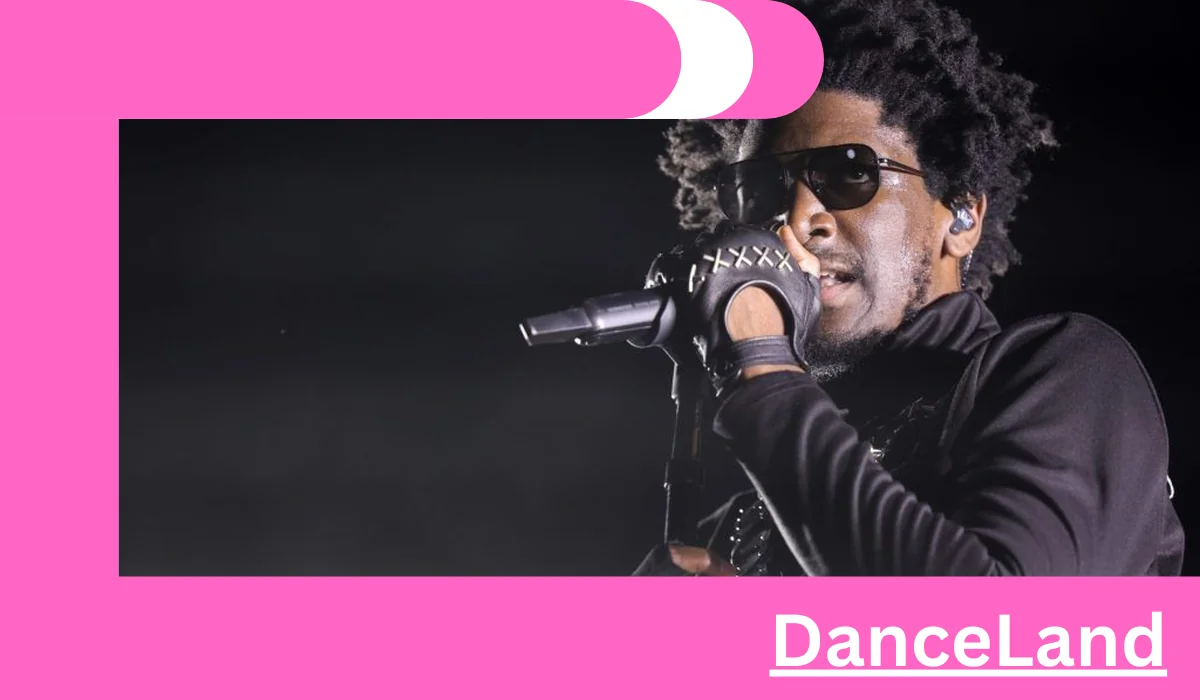
Labrinth, the acclaimed singer-songwriter and producer, has recently made waves by openly criticizing the music industry through a series of candid social media posts. His recent remarks, particularly the statement “Fake ain’t a good business plan,” highlight ongoing tensions between artists and the often opaque or exploitative practices of the music business. This outspoken stance has resonated deeply within the industry and among fans alike, shedding light on the challenges faced by artists navigating a landscape dominated by commercial interests and superficial relationships.
Labrinth’s Bold Post: A Critique of Industry Authenticity
On March 17, Labrinth took to Instagram’s Notes app to express his frustrations, making a stark comparison about the nature of success in the music realm. His words, written entirely in caps—“WE HOVER AROUND BIG STARS HOPING TO BE IN THEIR PLACE ONE DAY LIKE SNAKES, WAITING TO EAT THEIR OWNERS”—serve as a metaphor for the ruthless competition and insincerity he perceives within the industry. He further questioned the normalization of transactional relationships, asking, “WHO THE F— SAID THIS IS NORMAL OR OK TO TURN WHAT I CALL GODS NOISE (our music) INTO BUSINESS TRANSACTIONS?”
Such statements are rare coming from artists of Labrinth’s caliber, especially given the industry’s typical focus on positive branding and controlled messaging. His frustration appears rooted in a perception that industry mechanisms prioritize profits over creative integrity, often at the expense of genuine connections and artistic authenticity.
The Industry’s Response and Artist Solidarity
Within moments of his social media outburst, Labrinth received notable support from fellow artists and fans who share his concerns. Singer India.Arie responded with a heartfelt comment: “We have all felt this! I really feel you,” emphasizing a shared experience among musicians. Lauren Jauregui from Fifth Harmony chimed in with emojis, symbolizing her agreement with Labrinth’s sentiments.
Fan reactions similarly echoed empathy and solidarity, with many expressing gratitude for his honesty and questioning the often-opaque nature of industry dealings. This collective support underscores a growing awareness and critique of how modern music composition and promotion can sometimes alienate or exploit artists rather than empower them.
Recurring Criticism and Broader Industry Discontent
Interestingly, Labrinth is not the first artist recently to voice grievances about the industry’s practices. Just days earlier, he posted a now-deleted message criticizing his record label Columbia and the HBO series Euphoria, claiming, “I’M DONE WITH THIS INDUSTRY / F—K COLUMBIA / DOUBLE F—K EUPHORIA / I’M OUT.”
Though unclear what specifically motivated these intense declarations, they suggest a deeper frustration with the industry’s systemic issues, including contractual obligations, creative control, and the commercial pressures that often dictate artistic choices. Labrinth, who has been involved with Euphoria since its inception, voiced disillusionment not only with the industry but also with how art and commerce intersect in damaging ways.
Implications for Artists and the Future of Music
Labrinth’s outspoken critique raises important questions about authenticity, artist rights, and industry transparency. It highlights a tension that many emerging and established musicians face: balancing commercial viability with artistic integrity. His declaration that “Fake ain’t a good business plan” resonates with a broader movement advocating for more genuine interactions, fair treatment, and respect for the creative process.
His experience exemplifies a growing desire among artists to reject superficial industry practices and foster meaningful relationships—not only with their audience but also within their professional networks. Such sentiments could influence future industry standards, encouraging more transparency and artist-centered approaches.
Conclusion
In a moment where authenticity is increasingly valued, Labrinth’s candid public statements serve as a stark reminder of the ongoing struggles that artists face within the music industry. His willingness to speak out against what he perceives as insincerity and exploitation underscores a desire for change—a call for a business model rooted in honesty and respect. As fans and industry insiders observe these developments, they may contribute to a shifting landscape where genuine artistry is prioritized over superficial success.
FAQs
What prompted Labrinth’s recent social media posts?
Labrinth’s posts were motivated by frustrations with industry practices, perceived insincerity, and conflicts related to his work with Columbia Records and the HBO series Euphoria. His comments reflect broader concerns about authenticity and exploitation in the music business.
Has Labrinth spoken out about specific industry issues before?
Yes, just days prior, he posted a now-deleted message criticizing both his record label Columbia and the series Euphoria. These incidents indicate ongoing frustrations rather than isolated sentiments.
How have fans and fellow artists responded?
Many have expressed solidarity and shared similar feelings. India.Arie and Dove Cameron publicly supported him, emphasizing that feelings of disillusionment are widespread. Fans also voiced love and concern.
What does Labrinth’s stance mean for the music industry?
His openness could inspire more honest conversations about artist rights, industry ethics, and the importance of authenticity. It signals a potential ripple effect for artists to demand fairer practices.
Will Labrinth’s comments impact his career?
While outspoken criticism can be risky, Labrinth’s reputation as an artist committed to integrity may strengthen his connection with fans seeking genuine art. The industry’s response remains uncertain, but his honesty aligns him with a growing movement for transparency and respect.
As conversations about authenticity and artist empowerment continue to evolve, Labrinth’s recent outbursts serve as a potent reminder that even in a commercialized industry, the desire for meaningful and honest musical endeavors remains strong—and perhaps, increasingly necessary.