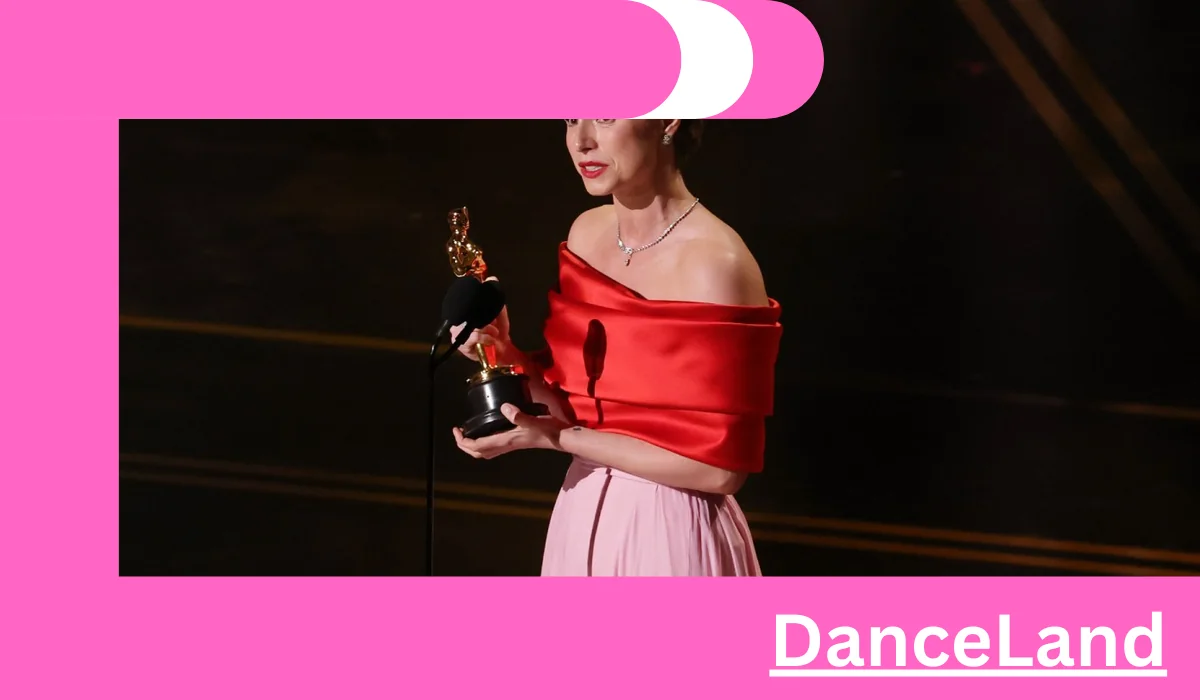
Jessie Buckley Ends Her Best Actress Oscar Acceptance Speech with a Gaelic Message

Jessie Buckley’s recent moment at the Oscars has captivated audiences worldwide, not just for her remarkable achievement but also for the heartfelt way she chose to conclude her Best Actress acceptance speech. The Irish actress, who made history as the first Irish woman to win an Academy Award in the Best Actress category, wrapped up her speech with a touching Gaelic message that resonated deeply with her heritage and fans around the globe. This gesture exemplifies how Hollywood stars are increasingly blending personal identity with their professional milestones, making moments like these uniquely memorable and culturally rich.
Jessie Buckley’s Historic Oscar Win
At the 98th Academy Awards held at L.A.’s Dolby Theatre, Jessie Buckley secured the Best Actress award for her compelling performance in Hamnet. Facing stiff competition from renowned actresses such as Rose Byrne, Kate Hudson, Renate Reinsve, and Emma Stone, Buckley’s win marked a significant milestone, especially considering her humble beginnings and journey through the acting world.
The film Hamnet is an adaptation of Maggie O’Farrell’s acclaimed novel, where Buckley portrays the wife of William Shakespeare, grappling with loss and grief following the death of their son. Her nuanced performance earned her critical acclaim and ultimately, the coveted Oscar, symbolizing international recognition of her talent.
The Gaelic Message in her Speech
What set Buckley’s speech apart was her poignant closing phrase delivered in Gaelic: “Go raibh maith agaibh, slán”. Translated into English, this means “Thank you very much, goodbye.” This choice was both a nod to her Irish roots and an intimate way to connect with her audience on a cultural level.
By ending her speech with this phrase, Buckley highlighted her pride in her heritage during a moment of global celebration. Such acts of cultural affirmation are increasingly prevalent among international artists, reflecting a broader movement toward celebrating diversity and personal identity on global stages.
Significance of Including Gaelic in a Global Platform
Cultural Representation and Pride
Incorporating Gaelic into her speech, Jessie Buckley brought Irish culture to the forefront at one of the world’s most watched events. It serves as an inspiring example for Irish viewers and minority groups worldwide, encouraging them to embrace and showcase their cultural languages and traditions.
Breaking Language Barriers
Using Gaelic in her acceptance speech also emphasizes the universality of emotion — love, gratitude, humility — which transcends language. Buckley’s choice underscores that cultural languages can coexist within international platforms, promoting linguistic diversity and appreciation.
Historical Context of Gaelic in Media
Gaelic, a language with deep historical roots in Ireland, has long faced challenges in preservation and visibility. Having a prominent figure like Buckley include Gaelic in her major career moment helps renew interest and pride in the language, contributing to its cultural resilience.
Impact and Reactions
Fans, media, and cultural commentators reacted positively to Buckley’s Gaelic farewell. Many praised her for highlighting Irish heritage and for making a subtle yet powerful statement about cultural identity in the arts community. Social media platforms buzzed with support and admiration, with hashtags celebrating her authenticity and the beauty of her native language.
Moreover, this moment has sparked conversations about how celebrities can use their influence to promote cultural diversity, especially during international events like the Oscars. Buckley’s gesture is seen as a meaningful step toward inclusivity and representation on a global scale.
Conclusion
Jessie Buckley’s closing Gaelic message in her Oscar acceptance speech exemplifies how personal and cultural expressions can feature prominently on the world stage. Her heartfelt tribute not only celebrates her Irish roots but also emphasizes the importance of cultural identity within international recognition. As more artists feel empowered to incorporate their heritage into their public appearances, it fosters a richer, more inclusive cultural dialogue in the arts and entertainment industry.
FAQs
What does “Go raibh maith agat, slán” mean?
It translates from Gaelic to English as “Thank you very much, goodbye.” It’s a common Irish farewell and expression of gratitude.
Why did Jessie Buckley choose to end her speech with Gaelic?
She wanted to honor her Irish heritage and share a piece of her cultural identity on the international stage, highlighting the significance of her roots and fostering cultural pride.
Has any other celebrity incorporated their native language into their Oscar speech?
Yes, several international celebrities have used their native languages during speeches to celebrate their cultural identity, including Alfonso Cuarón in Spanish and Viola Davis in Yoruba. Buckley’s use of Gaelic adds to this meaningful tradition of cultural representation.