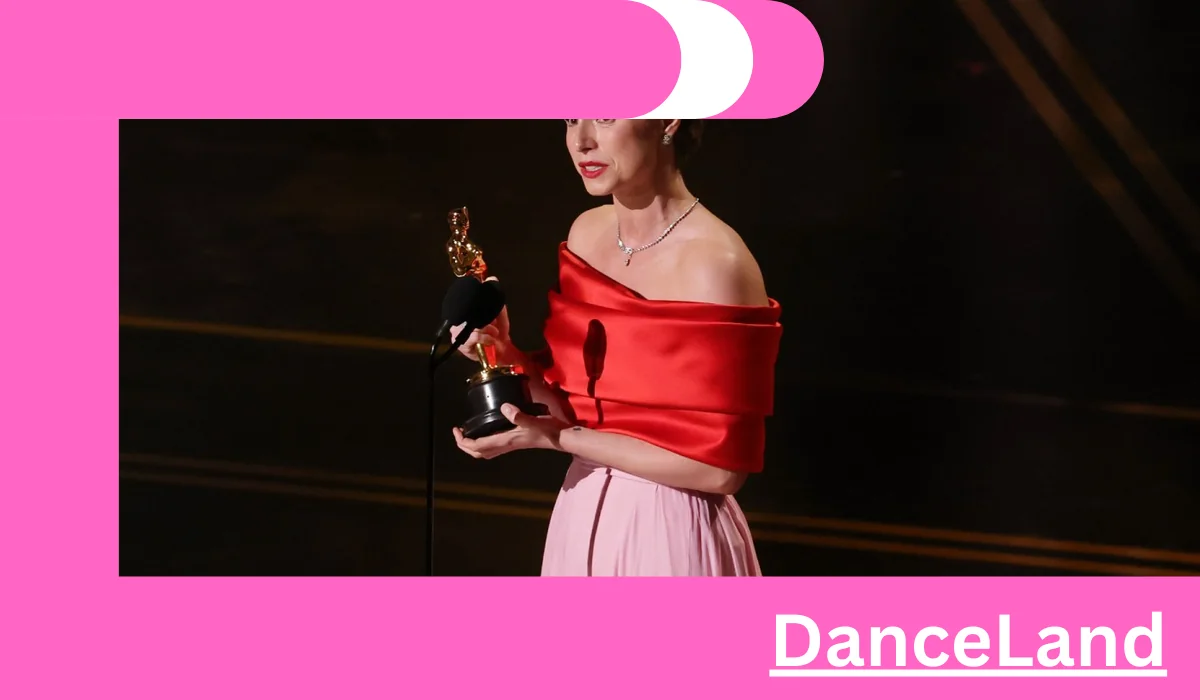
Jessie Buckley Ends Her Best Actress Oscar Acceptance Speech With Gaelic Phrase

Jessie Buckley’s recent Oscar victory has captured widespread attention, not only for her compelling performance in Hamnet but also for the poignant way she chose to conclude her acceptance speech. In a memorable moment that underscored both her cultural roots and her emotional depth, Buckley closed her Best Actress Oscar speech with a Gaelic message that resonated beyond the film industry. This gesture highlighted the significance of her Irish heritage and offered a heartfelt connection to her homeland, leaving a lasting impression on audiences worldwide.
Jessie Buckley’s Historic Oscar Win
At the 98th Academy Awards, Jessie Buckley made history as the first Irish woman to win the Oscar for Best Actress. Her win came for her role in Hamnet, a film adaptation of Maggie O’Farrell’s novel, where she portrayed Agnes Hathaway, the wife of William Shakespeare. Facing stiff competition from renowned actresses such as Emma Stone and Kate Hudson, Buckley’s nuanced performance ultimately earned her the coveted accolade.
Her victory marked a proud milestone for Irish cinema on an international stage, bringing attention to Irish talent and storytelling. Buckley’s acceptance speech was particularly notable not just for her acknowledgment of her loved ones—her husband and young daughter—but also for the cultural flourish she added at the end, which strengthened her connection to her Irish roots.
The Gaelic Message: A Personal and Cultural Significance
What Did Jessie Buckley Say?
In her speech, after expressing gratitude and dedicating her award to the emotional chaos of motherhood, Buckley concluded with the Gaelic phrase, “Go raibh maith agat, slán,” which translates to “Thank you very much, goodbye.”
This closing line was a deliberate homage to her Irish heritage, serving as a bridge between her personal identity and her global recognition. The choice of Gaelic—a language that has faced the threat of fading away—was both a proud declaration and a subtle act of cultural preservation.
Cultural and Emotional Impact of the Gesture
By closing her speech with a Gaelic message, Buckley did more than just thank her audience; she emphasized the importance of cultural heritage and personal authenticity. Such moments can inspire viewers worldwide to appreciate and preserve their own cultural identities amidst the predominantly English-language film industry.
This act also resonated with the Irish diaspora and cultural communities, fostering a sense of pride and visibility on one of the biggest stages in the world. The emotional weight of her words—combining gratitude, motherhood, and national pride—generated heartfelt reactions and sparked conversations about representation and cultural expression in Hollywood.
Examples of Similar Cultural Moments at the Oscars
- In 2009, Penélope Cruz delivered her acceptance speech in Spanish, highlighting her heritage.
- At the 2017 Oscars, Mahershala Ali referenced his Muslim faith and African-American background through subtle cultural nods.
- Similarly, international winners often include phrases or references to their native languages, enriching the ceremony’s diversity.
Broader Significance of Cultural Expressions in Award Ceremonies
Jessie Buckley’s Gaelic closing underscores a broader trend where recipients incorporate personal, cultural, or linguistic elements into their speeches. Such moments serve multiple purposes:
- Preserving and promoting cultural heritage
- Expressing authenticity and personal identity
- Resonating emotionally with diverse audiences
- Highlighting the global nature of the film industry
As the Oscars continue to recognize talent from around the world, these cultural expressions foster a richer, more inclusive atmosphere that celebrates diversity beyond mere language or nationality.
FAQs about Jessie Buckley’s Gaelic Message and Her Oscar Speech
Why did Jessie Buckley choose to close her speech in Gaelic?
She wanted to honor her Irish heritage and use her platform to celebrate her cultural roots, especially on such a significant international stage.
What does “Go raibh maith agat, slán” mean?
It translates to “Thank you very much, goodbye,” a common Irish Gaelic expression of gratitude and farewell.
Has Jessie Buckley spoken about her Gaelic message?
Yes, she has expressed pride in her Irish roots and indicated that including Gaelic was a meaningful way to connect her personal identity with her professional achievement.
Are there other notable instances of cultural expressions in Oscar speeches?
Absolutely. Many winners have included phrases or references to their native languages, such as Penélope Cruz in Spanish or Anna Paquin’s acknowledgment of her New Zealand roots, enriching the ceremony’s diversity.
Conclusion
Jessie Buckley’s choice to conclude her Oscar acceptance speech with a Gaelic message exemplifies how personal and cultural authenticity can resonate powerfully in global platforms like the Academy Awards. Her heartfelt gesture not only celebrated her Irish identity but also highlighted the importance of embracing one’s heritage in a multicultural and interconnected world. Such moments elevate award ceremonies from mere recognition to a celebration of diverse stories and identities, reminding us all of the rich tapestry of cultures that influence and inspire the arts.