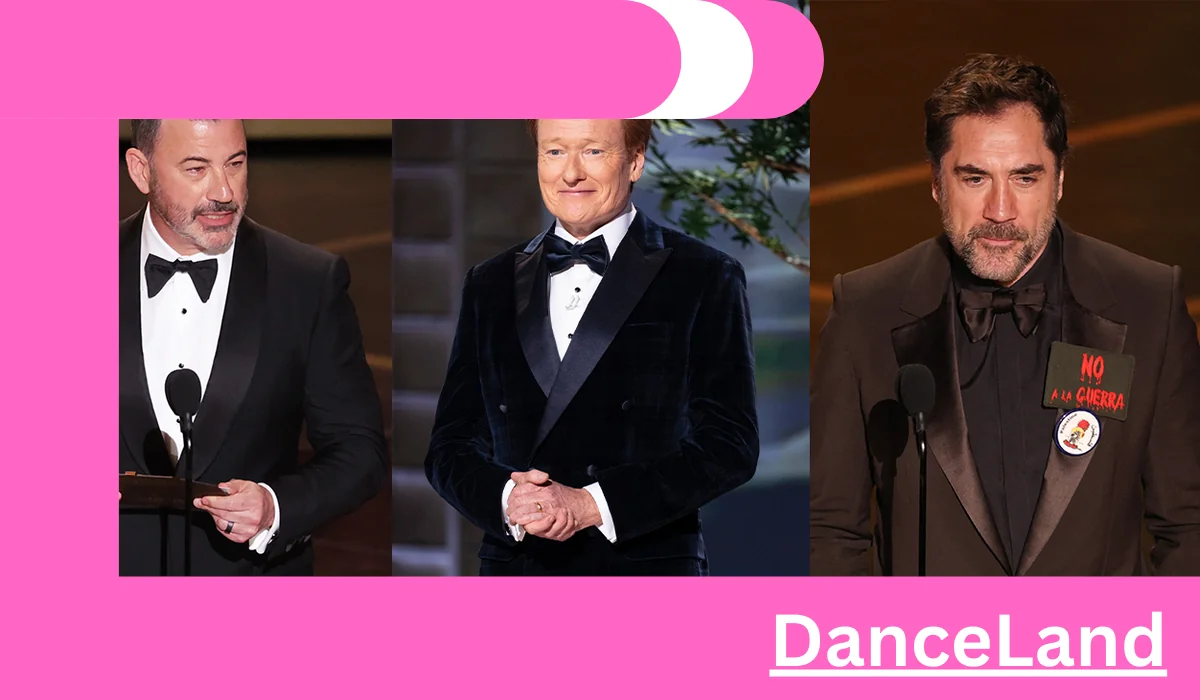
2026 Oscars Take a Stand: Winners and Presenters Criticize Gun Violence, Politicians, Trump, and Wars

The 2026 Oscars, while primarily a celebration of cinematic achievement, became notable for its unexpected political moments. In a departure from tradition, winners and presenters used their platform during the ceremony to address pressing societal issues such as gun violence, geopolitical conflicts, and criticisms of political figures. This shift highlights how the Oscars continue to serve as a prominent stage not just for entertainment but also for social commentary, reflecting the turbulent times we live in.
Introduction: When Hollywood Meets Politics
Typically viewed as an event dedicated to honoring artistic excellence in film, the 2026 Oscars unexpectedly turned into a platform for political expression. With awards being handed out across various categories, several recipients seized the opportunity to voice concerns about global and domestic issues. From condemning gun violence to criticizing political leaders like Donald Trump, the night showcased how the entertainment industry increasingly intertwines with societal debates, making the Oscars a mirror of contemporary tensions and struggles.
Winners Who Took a Stand: Addressing Gun Violence and Child Safety
Documentary Filmmakers’ Calls for Action
Among the night’s most poignant moments was the acceptance speech of Joshua Seftel, who won the Best Documentary Short for All the Empty Rooms. The film documents the aftermath of school shootings, showcasing the empty bedrooms of children killed in such tragedies. Seftel explicitly referenced the alarming statistic that gun violence is now the leading cause of death among children and teenagers in the United States. He paused to honor the memory of children like Jackie from Uvalde, emphasizing the urgent need for societal change.
- Seftel stated, “Gun violence is now the number one cause of death in kids and teens.”
- He called for increased awareness and action to prevent future tragedies.
Similarly, the winner in the Best Documentary Feature category, Mr. Nobody Against Putin, highlighted the devastating impact of war on children, specifically referencing the ongoing conflict in Ukraine. Co-director David Borenstein emphasized the importance of moral responsibility in global conflicts, advocating for the end of all wars for a safer future for children everywhere.
Political Statements During Acceptance Speeches
Joachim Trier, filmmaker for Sentimental Value, touched on broader issues of war and accountability. Quoting James Baldwin, Trier urged voters and political leaders to prioritize the welfare of children and society, criticizing politicians who neglect these concerns. His words resonated deeply in a year marked by international conflicts and rising political tensions.
Highlighting Global and Domestic Political Issues
Condemnation of War and International Conflicts
The Oscars saw several calls to end global warfare. The documentary Mr. Nobody Against Putin not only shed light on Russia’s invasion of Ukraine but also served as a rallying cry against militarization worldwide. Pavel Talankin, the film’s co-director and subject, issued a powerful plea: “Stop all of these wars now,” emphasizing the impact of conflict on children and societies.
Backstage, Borenstein further drew parallels between Russia and the U.S., comparing the rapid escalation of political conflicts in both countries. His comments highlighted the global nature of political unrest and how it affects political stability and human lives.
Actors and Celebrities Weigh In
Many high-profile winners and presenters did not shy away from highlighting issues with direct statements. Their speeches reflected concerns about international conflicts, domestic violence, and political corruption. Such moments underlined a shift in Hollywood’s role—no longer just storytellers but also advocates shaping public discourse.
Critiques and Jabs at Politicians and Leaders
Mocking and Calling Out High-Profile Figures
Amidst the serious messages, some celebrity comments took a satirical tone. Jimmy Kimmel, hosting the ceremony, made pointed jokes about the political climate. He jabbed at President Donald Trump and questioned the state of free speech in certain countries, artistically linking political repression with global storytelling. His quips during the night, including references to risky journalism, underscored Hollywood’s ongoing confrontation with political authority.
- “There are some countries whose leaders don’t support free speech,” Kimmel remarked, hinting at ongoing censorship issues.
- He also joked about films made under oppressive regimes, emphasizing the bravery of documentary filmmakers worldwide.
Conclusion: The Oscars as a Reflection of Society
The 2026 Oscars demonstrated how modern awards shows serve as more than just a celebration of film—they have evolved into platforms for social activism and political commentary. Winners and presenters used their voices to highlight critical issues such as gun violence, war, and governmental accountability, resonating with audiences worldwide. As Hollywood continues to grapple with the societal challenges of our time, the Oscars’ stage remains a powerful venue for truth-telling, advocacy, and inspiring change.
FAQs
Did any winners explicitly address gun violence during their speeches?
Yes, filmmakers like Joshua Seftel and others used their acceptance speeches to highlight the devastating impact of gun violence on children, urging action to prevent future tragedies.
Were there any political jokes or jabs made during the ceremony?
Jimmy Kimmel made several pointed comments about political figures, including Donald Trump, and the state of free speech around the world, blending humor with critique.
Did any films or speeches call for the end of wars?
Absolutely. The documentary Mr. Nobody Against Putin and speeches by its director emphasized the importance of ending ongoing conflicts, particularly in Ukraine, for a safer future for children and society.
How did the hosts and presenters of the Oscars approach the political themes?
They addressed issues directly and thoughtfully, weaving social commentary into their speeches and monologues, reflecting a broader trend of Hollywood engaging with real-world problems.