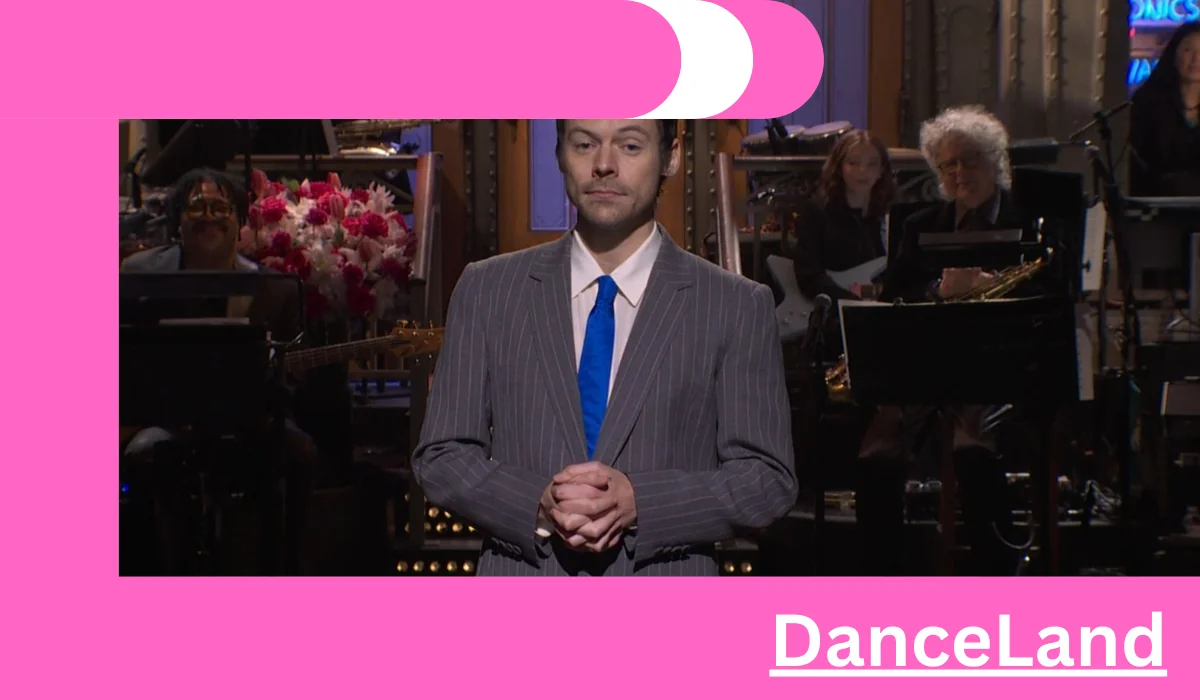
Harry Styles Responds to Queerbaiting Accusations on ‘SNL,’ Concludes Monologue with Ben Marshall Kiss: “Now That’s Queerbaiting”

Harry Styles, the internationally acclaimed singer and former One Direction member, recently made headlines during his appearance on ‘Saturday Night Live’ (SNL) by directly addressing longstanding accusations of queerbaiting. His approach and the presentation of his monologue not only sparked conversations about LGBTQ+ representation but also culminated in a memorable gesture involving a kiss with comedian Ben Marshall. This act, coupled with Styles’ remarks, has ignited debates about the line between gender expression, marketing, and genuine identity in pop culture.
Understanding Queerbaiting and Its Relevance to Harry Styles
Queerbaiting refers to the practice where creators or celebrities suggest queer identities or themes for commercial gain, without committing to or representing those identities authentically. Critics often accuse artists or shows of queerbaiting when they capitalize on LGBTQ+ aesthetics or rhetoric to attract attention or sales, without increasing meaningful representation or support.
In Styles’ case, the accusations of queerbaiting hinge on his gender-fluid fashion choices, ambiguous behaviors, and the provocative way he presents himself publicly. Some fans and critics have speculated whether these elements are expressions of genuine identity or strategic branding aimed at broadening his appeal.
Harry Styles’ Response on ‘SNL’: Addressing the Claims
During his ‘SNL’ monologue, Styles tackled the queerbaiting allegations with characteristic wit and self-awareness. He recalled the scrutiny he faced over his fashion at the time, mentioning, “Back then, people seemed to pay a lot of attention to the clothes I was wearing, and some people accused me of something called queerbaiting.”
He responded with a mix of humor and defiance, saying, “But did it ever occur to you that maybe you don’t know everything about me, dad?” This remark exemplifies how Styles aims to challenge assumptions about his identity and intentions, encouraging a more nuanced understanding of self-expression.
Furthermore, Styles highlighted his artistic process, referencing his album titled Kiss All The Time. Disco, Occasionally. He joked about how the album name was inspired by an AI prompt, turning the conversation toward the playful and exploratory nature of his creativity.
The Monologue Climax and ‘Queerbaiting’ Ending with a Kiss
The most talked-about segment of Styles’ ‘SNL’ appearance was his onstage exchange with comedian Ben Marshall. After teasing the album and making candid comments about kissing, Styles brought Marshall on stage and shared a kiss with him. The moment was both humorous and provocative, with Styles concluding, “Now that’s queerbaiting.”
This gesture, while playful and staged, was perceived by many as a deliberate nod to the ongoing debates about masculinity, sexuality, and performative gestures in pop culture. It pushed the boundaries of typical celebrity interactions, blurring the lines between entertainment, identity expression, and audience expectation.
Public and Critical Reactions
The incident received widespread attention on social media, with fans and critics voicing diverse opinions. Supporters praised Styles for challenging stereotypes and fostering open conversations about sexuality; detractors argued it perpetuated superficial portrayals or exploited LGBTQ+ themes for shock value.
Some commentators highlighted that Styles’ actions—both the monologue remarks and the kiss—are part of a broader pattern in his career of defying traditional gender norms and embracing individuality. Others questioned whether these gestures contribute to authentic representation or are merely performances designed for attention.
Implications for LGBTQ+ Representation in Pop Culture
Harry Styles’ approach exemplifies a growing trend where celebrities utilize gender-fluid fashion and provocative performances to challenge conventional notions of masculinity. His candidness and playful antics encourage dialogue but also raise questions about the distinction between authentic identity and performative acts.
While some activists see Styles’ actions as progressive and empowering, critics caution against equating staged performances with genuine advocacy. The distinction lies in intent, context, and ongoing commitment to supporting LGBTQ+ communities beyond fleeting moments.
Conclusion
Harry Styles’ ‘SNL’ appearance, marked by his frank discussion of queerbaiting claims and culminating in a bold kiss with Ben Marshall, underscores the complex interplay between celebrity performativity and genuine identity expression. It exemplifies how pop culture continues to challenge traditional gender and sexuality norms, sparking important conversations about representation, authenticity, and the power of playful defiance.
Frequently Asked Questions
What is queerbaiting, and why is it controversial?
Queerbaiting refers to the marketing or portrayal strategy that hints at LGBTQ+ themes or identities without genuine representation, often to attract attention and profits. It is controversial because it can be seen as exploiting LGBTQ+ issues without supporting the community authentically.
Did Harry Styles confirm his sexuality during his ‘SNL’ monologue?
No, Styles has historically been ambiguous about his sexuality. His focus has been on promoting self-expression and challenging norms rather than explicitly defining his identity.
Is Harry Styles’ onstage kiss with Ben Marshall a sign of his true sexuality?
Not necessarily. The kiss was widely interpreted as performative and playful, consistent with Styles’ style of challenging norms. It does not serve as a definitive statement about his sexual orientation.
How does Styles’ behavior impact LGBTQ+ representation?
His actions can be seen as both empowering—challenging stereotypes and encouraging openness—and as performative, highlighting the nuanced ways pop culture influences perceptions of gender and sexuality. The true impact depends on ongoing support and authentic advocacy beyond moments of staged performance.
What does this incident say about celebrity culture and identity?
It illustrates how celebrities often navigate complex identities through staged acts, humor, and provocative gestures, which can both challenge societal norms and raise questions about authenticity in public personas.