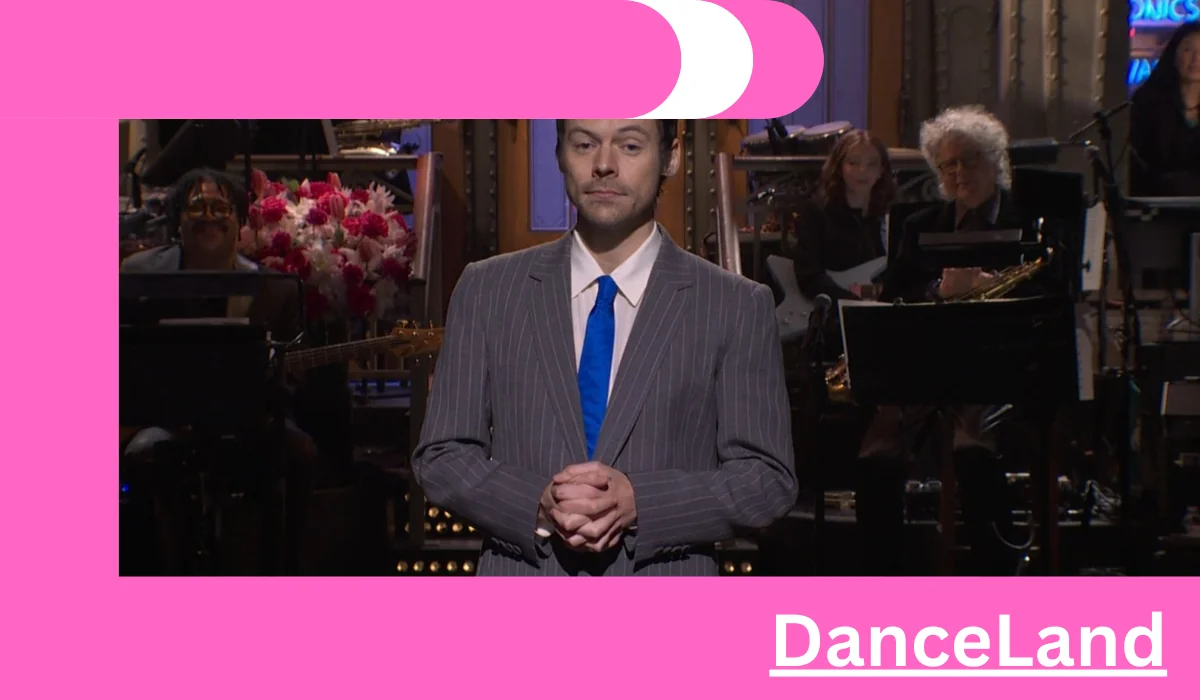
Harry Styles Responds to Queerbaiting Allegations on ‘SNL,’ Concludes Monologue with Ben Marshall Kiss: “That’s Queerbaiting”

Harry Styles recently addressed the ongoing controversy surrounding accusations of queerbaiting during his hosting appearance on Saturday Night Live. The musician and actor, known for his bold fashion choices and androgynous style, found himself in the spotlight not only for his performance but also for his comments on the subject of queer representation and marketing strategies in the entertainment industry. The episode garnered attention both for its comedic sketches and for the unique way Styles chose to end his monologue, culminating in a playful yet pointed interaction with comedian Ben Marshall that many are calling a definitive moment of queerbaiting humor.
Understanding Queerbaiting and Its Context
What is Queerbaiting?
Queerbaiting refers to the practice where media, celebrities, or brands imply or suggest LGBTQ+ representation or themes primarily for commercial gain or publicity, without genuinely backing or portraying the community in meaningful ways. Critics argue that this tactic can be misleading or superficial, often perpetuating stereotypes or enabling performative gestures that lack authentic commitment to LGBTQ+ narratives.
In recent years, accusations of queerbaiting have targeted various celebrities and entertainment projects, especially when fashion choices, public appearances, or marketing campaigns hint at queer identity without direct confirmation or substantive representation.
Harry Styles and the Queerbaiting Claims
Styles’ Fashion and Public Persona
Harry Styles has cultivated an image that blends gender-fluid fashion, bold accessories, and unconventional stylistic choices, which often blurs traditional gender norms. Some critics and viewers have suggested that his androgynous style and ambiguous sexual orientation narratives are exploited to attract attention, hinting at queer identity without explicit confirmation. These perceptions have led to allegations of queerbaiting, with some accusing him of capitalizing on LGBTQ+ themes for broader appeal.
Styles has been vocal about his stance, emphasizing that his fashion is a form of personal expression and not a marketing tool. Despite this, the persistent scrutiny contributes to ongoing debates about authenticity versus performative signaling in celebrity culture.
Addressing the Claims on SNL
During his hosting on SNL, Styles directly confronted these accusations. In his monologue, he reflected on his fashion choices and the societal attention they attract. He remarked that some people believe he was intentionally queerbaiting, but he challenged that assumption, suggesting that there is more complexity to his identity and artistic expression than critics acknowledge.
Specifically, Styles pointed out that his personal style is a reflection of his personality and artistic freedom, not a calculated marketing tactic. His comments aimed to dismantle the narrative that he is deliberately exploiting queer themes for popularity, asserting instead that his fashion and persona are authentic representations of his identity.
The Monologue Ending and Ben Marshall Smooch: “Now That’s Queerbaiting”
The Playful Finale: A Cultural and Artistic Statement
The climax of Styles’ SNL appearance became a playful, meta-commentary on the very concept of queerbaiting. After discussing the supposed accusations, Styles invited comedian Ben Marshall onto the stage. The two shared a friendly kiss, a gesture that many interpreted as a tongue-in-cheek acknowledgment of the controversy.
Styles concluded, “Now that’s queerbaiting.” This statement was both humorous and provocative, reinforcing the idea that his interaction with Marshall was a deliberate act of performative queer signaling—blurring the lines between genuine expression and playful mockery.
This ending sparked discussions on social media and in cultural commentary, with many fans and critics debating whether the act was a harmless joke or a statement about the pressures artists face in maintaining authentic queer representation versus performative gestures.
Implications and Cultural Significance
Celebrity Persona and Audience Expectations
Harry Styles’ handling of the queerbaiting accusations highlights the complicated landscape where celebrity persona, personal identity, and audience perception intersect. His approach—combining humor, authenticity, and provocative gestures—reflects a broader trend in pop culture where performers navigate the fine line between genuine representation and performance art.
By explicitly referencing queerbaiting in his closing moment, Styles perhaps aims to satirize the industry’s tendency to package queer signals without substantive support. It also raises awareness of how celebrity behavior is scrutinized under societal expectations of authenticity, especially concerning LGBTQ+ issues.
Audience Reactions and Industry Impact
The reactions have been mixed: some view the act as empowering and affirming, embracing Styles’ openness and humor; others see it as potentially reinforcing superficial queer signaling. As conversations continue, this incident emphasizes the importance of authentic representation and challenges the entertainment industry to reflect morehonestly and responsibly.
Frequently Asked Questions
Did Harry Styles confirm his sexuality during the SNL episode?
No. Styles has chosen to keep his personal life private and has not publicly confirmed his sexual orientation. His fashion and performances are often understood as expressions of artistic freedom rather than declarations of identity.
Is the ending with Ben Marshall considered offensive or a joke?
Many interpret it as humor and satire, intended to mock or comment on the concept of queerbaiting in popular culture. The playful kiss and comment serve as a layered joke, blending art and performance.
Has Harry Styles addressed the accusations outside of SNL?
Yes, Styles has publicly discussed these claims in interviews, emphasizing that his style and actions are authentic expressions of himself and that accusations of queerbaiting reflect misunderstandings or stereotypes about gender and sexuality.
Conclusion
Harry Styles’ addressing of queerbaiting claims during his SNL appearance exemplifies a nuanced approach to celebrity representation and societal expectations. By ending his monologue with a tongue-in-cheek kiss and a humorous comment, Styles generates conversation about authenticity, performative signaling, and the evolving landscape of LGBTQ+ visibility in entertainment. Whether seen as a genuine statement or a clever joke, this moment underscores the importance of critical dialogue around how public figures navigate identity, expression, and audience perception in a culture increasingly attentive to issues of gender and sexuality.