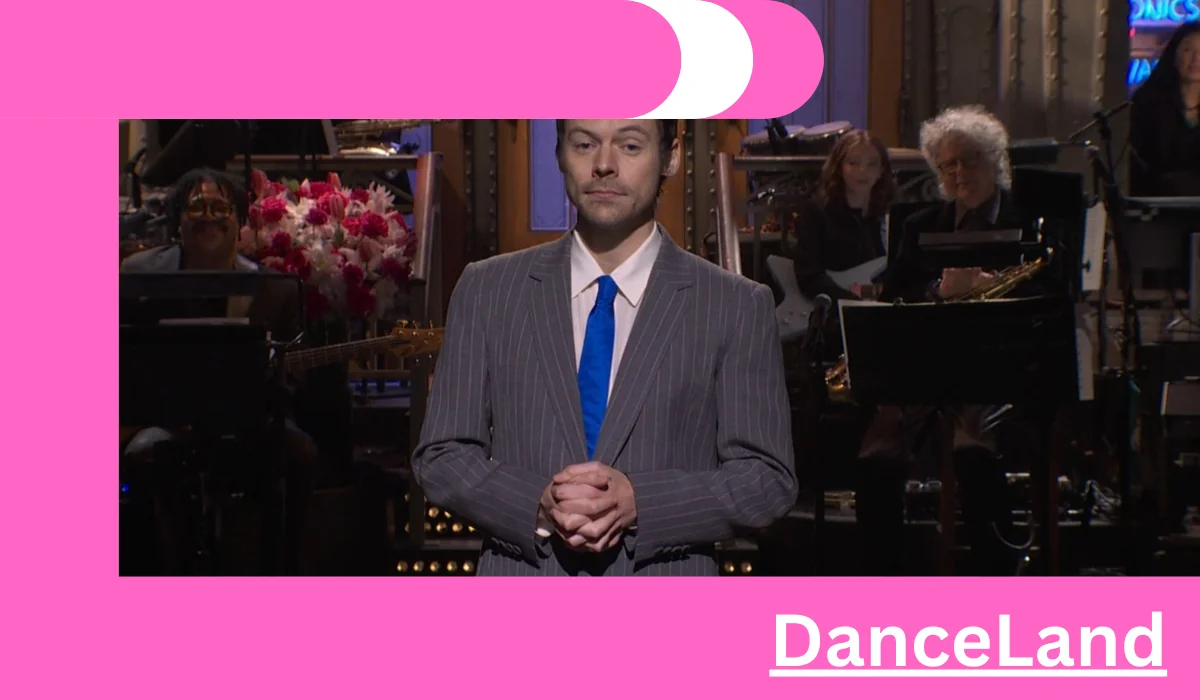
Harry Styles Responds to Queerbaiting Accusations on ‘SNL,’ Concludes Monologue with Ben Marshall Kiss: “Now That’s Queerbaiting”

Harry Styles recently took a candid and humorous approach to addressing the ongoing controversy surrounding queerbaiting claims, notably during his performance on Saturday Night Live. The singer, known for his eclectic fashion, musical talent, and charismatic stage presence, has become a frequent subject of discussion when it comes to gender expression and his perceived flirtations with queer culture. His latest appearance on SNL not only showcased his multifaceted talent but also provided him an opportunity to directly confront and inject humor into the accusations of queerbaiting that have followed him for years.
Context of the Queerbaiting Claims
Understanding Queerbaiting Allegations
Queerbaiting refers to the practice where creators or performers hint at LGBTQ+ themes or identities—often through clothing, gestures, or language—without explicitly representing or acknowledging these identities. Critics argue that such practices can be exploitative or superficial, prompting the accusation that some celebrities or media outlets use queer aesthetics or signals to attract LGBTQ+ audiences without meaningful representation.
In Harry Styles’ case, his fashion choices—often including gender-fluid clothing and accessories—have sparked debates. While Styles has openly discussed his appreciation for gender non-conforming fashion, critics have at times accused him of engaging in queerbaiting, implying that his style is a calculated move rather than genuine expression.
Styles’ Response on ‘SNL’
Addressing the Claims with Humor
During his monologue on SNL, Styles tackled these accusations with a lighthearted yet pointed perspective. He recalled the criticism and made a tongue-in-cheek remark about his fashion sense, suggesting that his outfits were often mistaken for intentional queer signaling. The singer said, “Back then, people seemed to pay a lot of attention to the clothes I was wearing, and some people accused me of something called queerbaiting.”
He added a playful challenge, asking, “But did it ever occur to you that maybe you don’t know everything about me, dad?” This line subtly highlighted that public perception often oversimplifies the complexity of individual identity and intention.
The Ending Monologue: An Unexpected Smooch
The most talked-about moment came at the end of Styles’ monologue, when he shared the stage with comedian Ben Marshall. In a spontaneous and staged act, Styles and Marshall shared a kiss, which he humorously declared as “Now that’s queerbaiting.” This playful gesture served as a comedic rebuttal to the accusations, blurring the lines between satire and genuine expression.
By ending his monologue with this staged kiss, Styles both acknowledged the critics and challenged the audience’s perceptions of gender and sexuality. It was a deliberate act of performative humor that celebrated fluidity and rejected traditional gender norms, all while making light of the controversy surrounding him.
The Cultural Significance of Styles’ Approach
Breaking the Taboos of Public Performances
Harry Styles’ decision to incorporate humor and staged moments into his SNL appearance represents an evolving approach to how public figures navigate identity politics. His act of staged queercoding through humor and the kiss with Marshall underscores a broader cultural shift towards acceptance and normalization of gender fluidity and LGBTQ+ themes in mainstream media.
This moment also serves to destigmatize conversations about sexuality and gender expression, encouraging fans and viewers to question stereotypes and embrace diversity with lightheartedness and authenticity.
Public Reaction and Ongoing Discourse
The response from fans, critics, and observers was mixed but largely engaged with the conversation. Many praised Styles for using humor to confront accusations, viewing it as a mature and confident stance against superficial judgments. Others debated whether such staged acts genuinely advance LGBTQ+ representation or merely perform queer signaling for entertainment.
Nonetheless, this incident exemplifies how modern celebrities can reclaim narratives about gender and sexuality, turning controversy into a moment of cultural dialogue and self-expression.
Conclusion
Harry Styles’ approach to addressing queerbaiting claims on SNL—culminating in a humorous staged kiss—demonstrates a savvy blend of humor, performance art, and cultural commentary. It highlights how public figures can navigate complex discussions about gender, sexuality, and representation while staying true to their authentic selves. For fans and watchers, Styles’ actions reinforce the importance of playful authenticity and the fluidity of identity in contemporary culture.
FAQs
1. What is queerbaiting, and why is it controversial?
Queerbaiting refers to the practice of hinting at LGBTQ+ themes or identities for entertainment or marketing purposes without explicit representation. It is controversial because critics argue it can be superficial, exploitative, or dismissive of genuine LGBTQ+ experiences.
2. Did Harry Styles actually kiss Ben Marshall during his SNL monologue?
Yes, Styles staged a playful and staged kiss with comedian Ben Marshall at the end of his monologue, which he humorously declared “Now that’s queerbaiting,” as a parody and m joke about the controversy.
3. How has Styles’ fashion influenced perceptions of gender and sexuality?
Harry Styles’ fashion choices—such as wearing gender-fluid clothing—have helped challenge traditional gender norms and promote a more inclusive view of gender expression, though some critics have interpreted his style as performative queer signaling.
4. What impact does addressing queerbaiting openly have on celebrity culture?
Openly addressing queerbaiting allows celebrities to engage in cultural conversations about gender and sexuality, helping normalize fluidity and encouraging authenticity. It can also foster greater understanding and reduce stigma associated with LGBTQ+ identities.
In the evolving landscape of celebrity activism and performance, Harry Styles’ recent SNL appearance exemplifies how humor can be a powerful tool in addressing sensitive cultural topics, transforming controversy into celebration of diversity and self-expression.