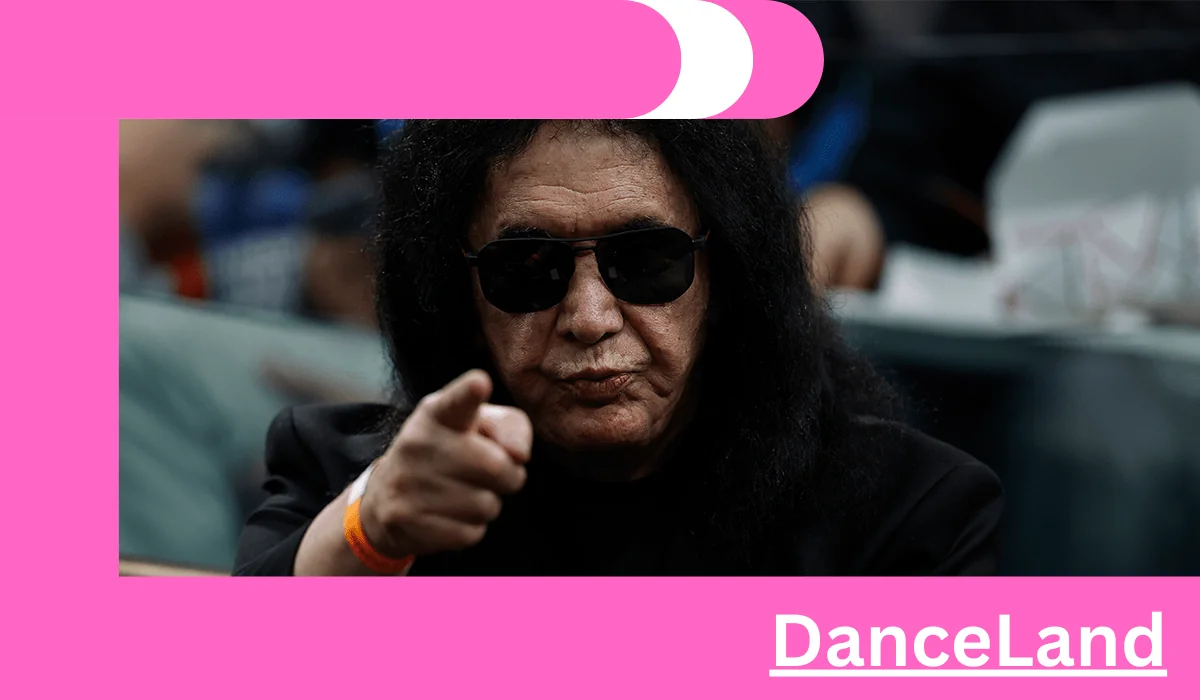

Gene Simmons, the iconic frontman of the legendary rock band KISS, recently made headlines with a bold statement about celebrities and their involvement in politics. His outspoken opinion reflects a broader debate about the role of public figures in political discourse and whether their voices should be heard beyond their artistic endeavors. Simmons’s stance—that celebrities should “shut the f*** up” about politics—has triggered both support and criticism, highlighting the divided perspectives on this sensitive subject.
Understanding Gene Simmons’s Perspective
The Context Behind the Comment
During an interview with TMZ, Simmons was asked about outspoken stars criticizing political figures such as Donald Trump. His response was blunt and unambiguous: “Everybody in the world should listen to what actors and comedians say, because they’re so qualified,” he said sarcastically, before adding, “Basically, shut the fuck up. Do your art and shut up. Nobody’s interested in their opinions.” This direct remark underscores Simmons’s belief that entertainers should prioritize their craft over making political statements.
He further expressed skepticism about celebrities’ influence on political matters, emphasizing that their opinions often carry little weight compared to their primary role—entertainment. Simmons’s viewpoint suggests that public figures should avoid mixing their art with political activism, especially when their opinions might be driven more by personal ideology than expertise.
The Broader Debate on Celebrities and Politics
The Impact of Celebrity Political Activism
- **Positive Aspects:** Some argue that celebrities have significant platforms and can raise awareness on important issues. Their influence can mobilize public opinion and fundraise for causes, potentially shaping policy discussions.
- **Criticisms:** Conversely, critics like Simmons contend that celebrity opinions often oversimplify complex issues, overshadow nuanced debates, and distract from substantive policy discussions. Additionally, some perceive celebrity activism as self-serving or driven by popularity rather than genuine concern.
Historical Examples of Celebrity Political Engagement
Throughout history, many stars have used their fame to advocate for political change. For example, Ralph Nader and Jane Fonda have been vocal on environmental and social justice issues. Recently, during the 2026 awards season, stars like Billie Eilish have used their acceptance speeches to criticize immigration policies and law enforcement agencies.
However, such activism often invites backlash. Some critics, including politicians and fellow celebrities, argue that stars lack the expertise to comment on complex policy matters. They believe that artistic talents should remain separate from political debates to maintain focus and authenticity.
The Role of Artistic Expression vs. Political Engagement
Should Celebrities Stay Out of Politics?
There is no one-size-fits-all answer, but Simmons’s stance emphasizes a traditional view: art and politics serve distinct purposes. Advocates for this perspective argue that artists and entertainers should focus on their craft, leaving political commentary to experts and policymakers.
Conversely, others believe that celebrities, due to their visibility and influence, have a moral obligation to speak out against injustices or governmental misconduct. The debate hinges on whether fame grants the authority to influence political discourse or whether it detracts from the authenticity of their art.
Impact of Simmons’s Statement
Public Reactions and Industry Implications
Simmons’s remarks have ignited mixed reactions. Supporters agree that celebrities should remain apolitical, fearing their voices may polarize or diminish their artistic credibility. Critics argue that suppressing political expression undermines free speech and that artists have always played roles in social movements.
This controversy also raises questions about the influence of celebrity culture on politics and whether such outspoken views help or hinder societal progress. In some circles, Simmons’s blunt comment is seen as a call for more focus on art and less on partisan fueling.
Conclusion
Gene Simmons’s statement that celebrities should “shut the f*** up” about politics serves as a provocative reminder of the ongoing tension between artistic expression and political commentary. While some see celebrities as powerful voices capable of shaping societal change, others believe their influence should be limited to their creative work. Ultimately, the degree to which entertainers should involve themselves in politics remains a complex issue, rooted in debates about free speech, influence, and authenticity.
FAQ
Does Gene Simmons’s opinion reflect a general sentiment in the entertainment industry?
No, opinions vary widely. While Simmons advocates for celebrities to stay silent on political matters, many in the industry actively engage in political activism. The debate continues among artists, fans, and critics.
Can celebrities influence political outcomes effectively?
There is evidence that celebrities can raise awareness and influence public opinion, but their impact on actual policy is limited. Their primary role remains entertainment, although their societal influence can be significant in shaping discourse.
Is it fair to criticize celebrities for speaking about politics?
Opinions differ. Some believe stars should avoid politics to retain their artistic integrity, while others view their outspokenness as a vital part of their public persona and social responsibility.
What can be learned from this controversy?
It highlights the importance of considering the audience and context. Celebrities have platforms that can be used responsibly or ignored to focus on art. Their choices regarding political engagement should balance personal conviction with social impact.