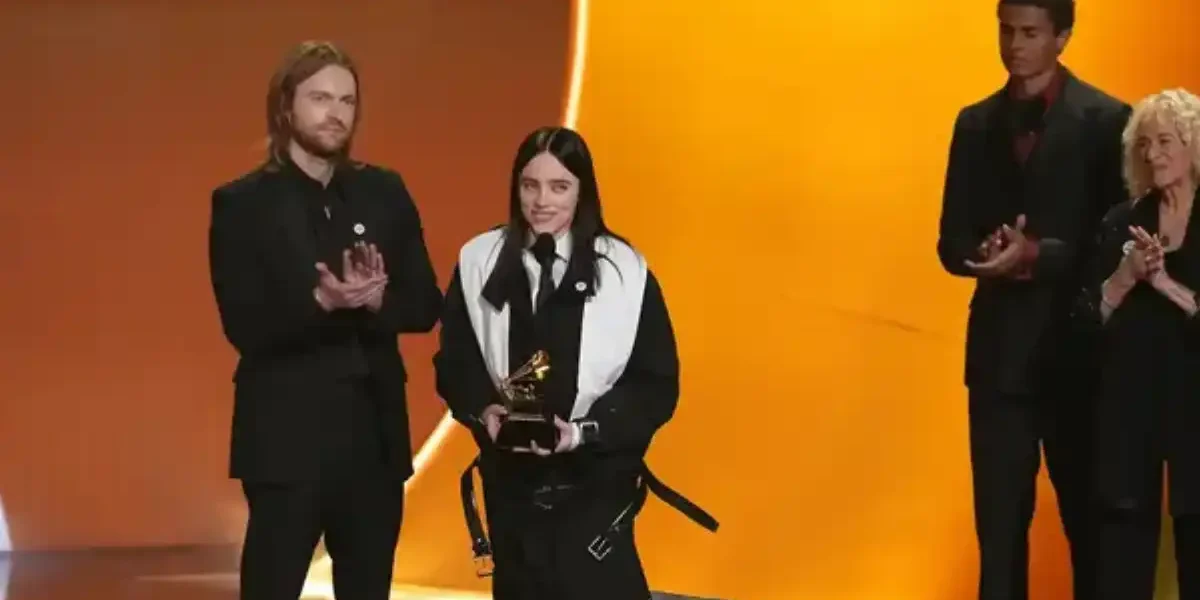

The 2026 Grammy Awards, widely celebrated for honoring musical excellence, turned into a powerful platform for political protest as major artists voiced their opposition to the United States’ immigration enforcement policies. From acceptance speeches to visible symbols on the red carpet, the event saw a clear display of solidarity with immigrant communities, drawing attention to a debate that has intensified across the country.
Bad Bunny Calls for “ICE Out”
Puerto Rican superstar Bad Bunny was among the most prominent voices during the ceremony. Winning multiple awards, including Album of the Year, Bad Bunny took the stage to deliver a heartfelt message. “ICE out,” he shouted, directly criticizing the U.S. Immigration and Customs Enforcement agency. He emphasized that immigrants should not be labeled as “aliens,” asserting that they are human beings deserving of dignity and recognition. His speech drew standing ovations from the audience, underscoring the growing intersection between music, culture, and social activism.
Billie Eilish Highlights Immigrant Rights
Similarly, pop sensation Billie Eilish used her moment in the spotlight to denounce what she described as aggressive deportation practices. Upon winning Song of the Year for her hit “Wildflower,” Eilish told the audience, “No one is illegal on stolen land,” referencing both the plight of immigrants and historical injustices against Indigenous communities. To make her message even more visible, she wore a button emblazoned with the words ICE out, signaling her solidarity with immigrant communities affected by recent government policies.
Red Carpet Becomes a Platform for Protest
The Grammys’ red carpet also became a stage for political expression. Many artists and attendees displayed pins and buttons with slogans opposing the current immigration enforcement strategy, making clear that music is not just a form of entertainment but also a medium for social commentary. These visual statements, coupled with the speeches, highlight how high-profile events can amplify voices and concerns that might otherwise be overlooked.
A Cultural Shift in Celebrity Activism
Experts note that the artists’ actions reflect a broader cultural shift. “We are seeing a generation of musicians who are not afraid to address systemic issues directly,” said Dr. Elena Martinez, a professor of cultural studies. “Using a platform like the Grammys ensures that these messages reach millions of viewers, sparking conversations beyond the music industry.”
This trend is not entirely new. Celebrities have historically used award shows to highlight political issues, from climate change to racial justice. However, the prominence of immigration in this year’s Grammys demonstrates a heightened awareness of and urgency around the topic, especially in light of recent controversial deportations and the ongoing debate over immigration reform.
Mixed Reactions from Viewers and Media
While some viewers applauded the statements, others questioned whether political commentary has a place at entertainment events. Social media reactions were polarized, with hashtags supporting both the musicians’ activism and those calling for an entertainment-only focus. Regardless of opinion, the impact of the speeches was undeniable, prompting news coverage across multiple major outlets and igniting discussions in both mainstream and online media.
Music and Activism Intersect
The Grammys have long been a stage not only for music but for cultural reflection, and 2026 was no exception. By combining artistry with advocacy, musicians like Bad Bunny and Billie Eilish underscore the power of popular culture to influence public opinion and policy conversations. Their messages resonate beyond the ceremony, reminding audiences that behind the glamour and spectacle, musicians are also citizens concerned about social justice and human rights.
As the U.S. continues to grapple with its immigration policies, the visibility brought by celebrity advocacy can play a role in shaping perceptions and potentially inspiring action. Whether through a single speech or a symbolic button on the red carpet, the statements made at the Grammys have contributed to the ongoing dialogue surrounding immigration, legality, and morality in the United States.
A Grammy Ceremony to Remember
Ultimately, the 2026 Grammy Awards will be remembered not just for the performances and winners but also for the platform it provided to artists demanding justice and equality. In an era where global audiences tune in to witness cultural moments live, the Grammys exemplify how music and activism can intersect, turning entertainment into a conduit for meaningful social change.