Dalai Lama, Bad Bunny, and Olivia Dean Shine at the 2026 Grammys in a Night of Music and Meaning

Los Angeles, February 2, 2026 – The 2026 Grammy Awards delivered a historic night of music, culture, and social commentary, as iconic artists and emerging stars alike took center stage to celebrate their achievements. Among the standout moments were the Dalai Lama’s first Grammy win, Olivia Dean’s rise as Best New Artist, and Bad Bunny’s landmark Album of the Year victory. The ceremony, held at the Crypto.com Arena in Los Angeles and hosted by Trevor Noah, was as much a platform for musical excellence as it was for political and social statements.
Dalai Lama Wins First Grammy
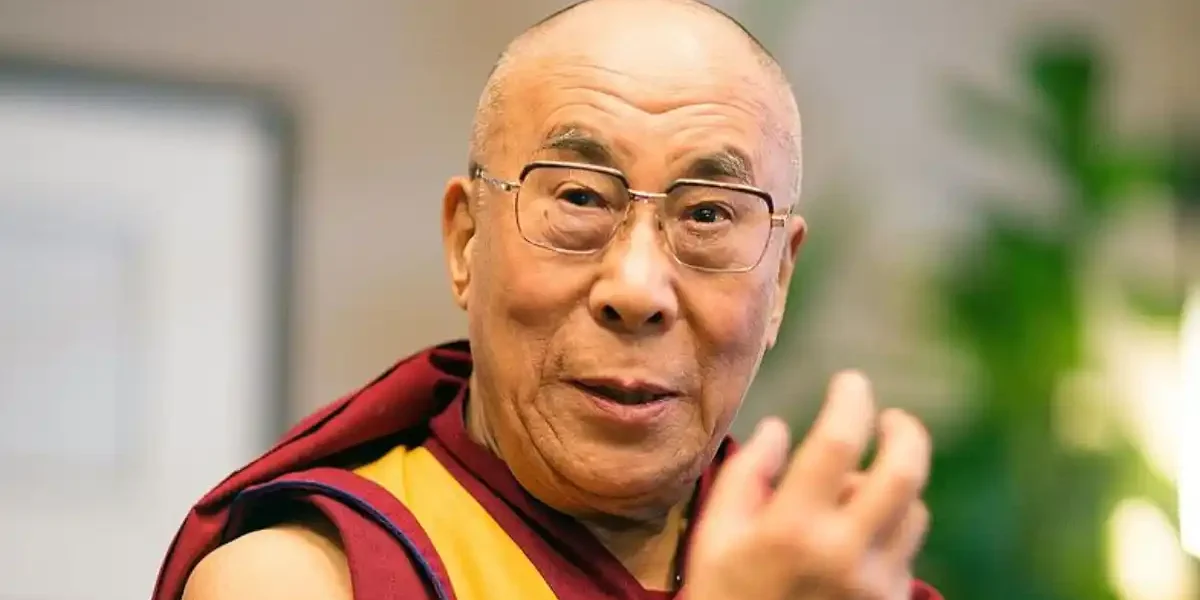
One of the most unexpected moments of the night was the Dalai Lama receiving his first Grammy Award. He won in the Best Spoken Word/Audio Storytelling category for Meditations: The Reflections of His Holiness the Dalai Lama. Unable to attend in person, the Tibetan spiritual leader’s award was accepted on his behalf by musician Rufus Wainwright.
The recognition marks a historic moment for both the Grammy Awards and the Dalai Lama, highlighting the growing intersection of spirituality and media in contemporary culture. “It’s incredible to see a figure known worldwide for his teachings on peace and compassion celebrated in a mainstream entertainment venue,” Wainwright said on stage.
Olivia Dean Named Best New Artist
British singer-songwriter Olivia Dean captured the hearts of fans and critics alike, winning the coveted Best New Artist award. Dean, known for her soulful voice and emotionally resonant lyrics, addressed her immigrant heritage in her acceptance speech. “I stand on the shoulders of those who came before me, and I hope to inspire the next generation to embrace their identities fully,” Dean said, bringing a moment of reflection to the energetic ceremony.
Her victory signifies a broader trend in the music industry, where rising artists are being celebrated not only for their talent but also for their cultural narratives and social engagement.
Bad Bunny Makes History
Puerto Rican superstar Bad Bunny stole the spotlight once again, winning Album of the Year for Debí Tirar Más Fotos, making history as the first predominantly Spanish-language album to claim this top honor. In addition, he secured the Best Música Urbana Album award, further cementing his global influence.
During his acceptance speech, Bad Bunny took a political stance, calling for the removal of U.S. Immigration and Customs Enforcement (ICE) from policies he described as “inhumane.” He declared, “We’re not animals, we’re not aliens… we are humans and we are Americans. Let love guide us, not hate.” The audience erupted in applause, highlighting how artists continue to use the Grammys as a platform for advocacy.
Social and Political Statements Take Center Stage
The 2026 Grammys were notable not just for the awards themselves, but for the way artists leveraged their visibility to address pressing social issues. Several winners, including Billie Eilish, referenced U.S. immigration policies and broader societal challenges. This aligns with a growing trend of musicians using high-profile events to blend entertainment with activism, reflecting the evolving role of artists as both creators and influencers in the global conversation.
Performances and Highlights
The ceremony featured electrifying performances from a range of artists, including Rosé, Sabrina Carpenter, and Bruno Mars. These performances were lauded for both their technical excellence and their ability to merge musical innovation with storytelling. Fans and critics alike praised the show’s balance of celebration and reflection, capturing the spirit of music as both entertainment and cultural commentary.
A Night of Records and Firsts
Beyond the headline-grabbing wins, the night was full of historic achievements. Olivia Dean’s victory as Best New Artist underscores the Grammys’ recognition of emerging talent in a globalized music landscape. Bad Bunny’s bilingual album triumph signals a milestone for Latin music on the international stage. And the Dalai Lama’s award demonstrates the expanding boundaries of what constitutes cultural influence in contemporary media.
The ceremony also reflected ongoing conversations around diversity and representation in the music industry. Artists from different backgrounds, genres, and regions were celebrated for their contributions, reinforcing the Grammys’ commitment to inclusivity while sparking dialogue about cultural visibility and recognition.
Conclusion
The 2026 Grammys were far more than a typical awards show—they were a convergence of music, culture, and social consciousness. From the Dalai Lama’s historic win to Olivia Dean’s emotional acceptance and Bad Bunny’s socially charged statements, the night highlighted how music continues to influence and reflect the world around us. As the industry evolves, these moments serve as reminders of music’s power to inspire, unite, and challenge audiences globally.